You just moved into a rental. The walls are blank, beige, and a little sad. You want art, color, maybe a full gallery wall, but your lease says no nails and you really want that deposit back.
That’s where removable wall decor comes in. Peel and stick wall decals, removable wallpaper, adhesive hooks, and picture hanging strips can change a room in one afternoon. But “removable” doesn’t always mean “harmless,” and plenty of renters have learned that the hard way.
Here’s what you’ll get from this guide: how these products really work, how to check your walls first, seven ideas worth trying, and how to take everything down without peeling your paint.
Removable Wall Decor: What It Really Means (and Where It Goes Wrong)
Removable wall decor is anything that attaches with a low-tack adhesive, a stretch-release strip, or nothing at all, so it can come off without nails or screws. Think peel and stick wall decals, removable wallpaper, wall murals, adhesive hooks, and even fabric hung from a tension rod.
You’ll usually see five main types, and each behaves a little differently. Decals are thin vinyl shapes. Wallpaper comes in rolls or panels. Murals are large printed sheets. Hooks and strips hold objects instead of adding pattern. Then there’s the no-adhesive group: fabric, leaning art, and freestanding pieces.
People love this stuff for a reason. Market researchers put the peel-and-stick wallpaper market at somewhere between roughly $2.9 billion and $3.8 billion in 2025, depending on which firm you ask, and renters are a big part of that demand. The numbers vary a lot between reports, so treat them as a rough picture rather than gospel.
Here’s the catch. “Removable” describes the adhesive. It says nothing about your wall. Two bonds are in play: the one between the decal and the paint, and the one between the paint and the wall underneath. If the first bond beats the second, the paint leaves with the decal. Think of it as a tug of war, and your paint is the rope.
The good news is that this is rare, and mostly avoidable. Let’s start with the part most guides skip.
Why Your Paint Matters More Than the Sticker
Picture two identical decals from the same box. One peels off clean. The other takes a strip of paint with it. What changed? The wall.
Cheap paint over unprimed drywall, dusty or chalky paint, and old paint baked by sunlight are all more likely to flake. High-traffic spots like hallways are riskier too. Even brands that sell decals admit that older or damaged paint can lift or peel when the decal comes off. And when people complain that Command strips stripped their paint, commenters keep pointing to the same culprit: a poorly prepared wall under the paint. You can read one of those Hometalk threads yourself.
Paint finish plays a role too. Very flat, matte paint can be slightly powdery, which weakens grip. If you’re not sure what’s on your walls, ask your landlord which paint was used and roughly when it went on.
Time matters as well. Adhesives tend to harden over the years, so a decal you forget about for five years will fight you at move-out.
Before you buy any removable wall decor, run this quick check:
- Rub your palm across the wall. If chalky powder comes off, the paint is weak.
- Look for cracks, bubbles, or flaking near corners and baseboards.
- Press a strip of masking tape on a hidden spot and pull it off. If paint comes with it, skip adhesives on that wall.
Good paint plus a gentle removal is the whole game. Everything else in this guide is just a way of protecting that one rule.
Check Textured Walls and Freshly Painted Walls First
Two wall types cause the most trouble.
Textured walls. Peel-and-stick products are made for smooth surfaces. Heavy texture like knockdown or popcorn is generally a no-go, and light orange peel is worth testing with a sample first. Parents in one forum thread reported that decals stayed up on orange-peel walls, though they didn’t grip as well as they would on smooth paint. So it can work. Just don’t bet a whole mural on it.
Freshly painted walls. Paint that hasn’t cured yet can bond to adhesive like glue. Command tells you to wait seven days after painting before using its strips, and it’s smart to give decals the same time, or longer after a thick paint job.
Kitchens and bathrooms need extra care. Steam and grease weaken adhesive, so wipe the spot with rubbing alcohol first.
Matching your removable wall decor to your wall finish matters more than which brand you pick. When in doubt, try this sample test: stick a small piece in a closet, leave it for a week, then peel it slowly. If the paint stays put, you’re good to go.
7 Removable Wall Decor Ideas That Work in Rentals
Not every option works the same way, so here are seven, from easiest to most involved.
1. Peel and Stick Wall Decals
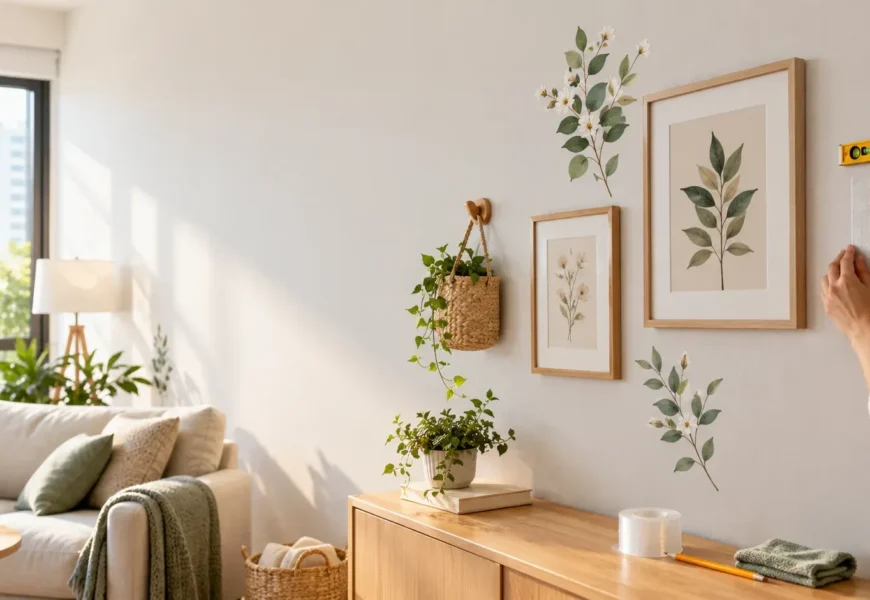
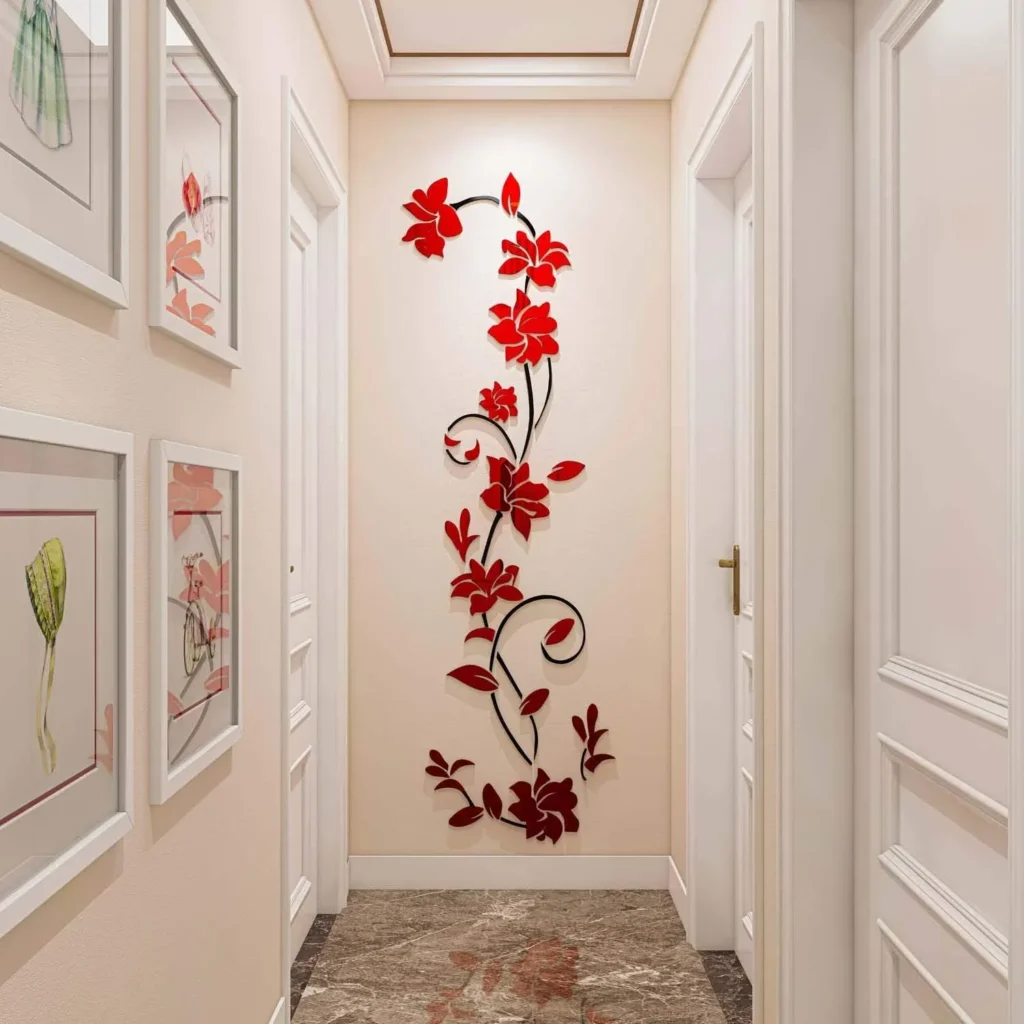
This is the easiest place to start. Quality decals can be removed, repositioned, and reused, which is handy when you’re still deciding where the giant leaf goes. They shine in nurseries, kids’ rooms, and small accent spots. Botanicals, arches, dots, and quotes are all popular.
2. Removable Wallpaper on One Accent Wall
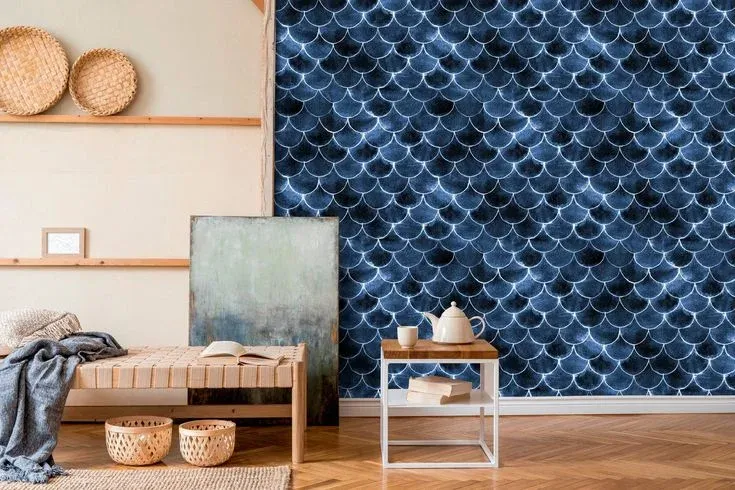
Pick one wall, usually the one behind your bed or sofa. Rolls we saw were priced from about $17 to $50, and smooth walls work best. One bold accent wall looks intentional. Four of them look like a lot of work at move-out.
3. Picture Hanging Strips and a Gallery Wall
Lightweight frames on adhesive strips let you build a gallery wall without a single hole. Check the weight rating on the pack and use more strips than you think you need. Skip them over beds, and don’t trust them with anything valuable.
4. Adhesive Hooks Beyond Picture Frames
Hooks aren’t just for frames. Hang a wreath, a woven basket, a hat collection, or a row of necklaces. Everyday objects turn into decor and stay useful.
5. Peel and Stick Wall Murals
Murals give you the “wow” wall. Some panels start at around $12 to $15, and you can keep them up as temporarily or as long as you like. They need the same smooth, clean wall as wallpaper.
6. Washi Tape Wall Art
Washi tape is cheap, colorful, and forgiving. Use it to frame a photo, draw geometric shapes, or make faux picture frames. It’s a good testing ground before you spend money on bigger pieces.
7. Leaning Art and Fabric Hangings
For anything heavy, skip adhesive altogether. Lean a big mirror or framed print against the wall. Hang a tapestry or macramé piece from a tension rod near the ceiling. Nothing sticking to the wall means zero risk to the paint.
Best Removable Wall Decor for Every Room
Different rooms have different problems, so match the product to the space.
Living room. An accent wall of removable wallpaper or a gallery wall on picture hanging strips pays off here. Keep frames light, and rest the heavy mirror on the floor.
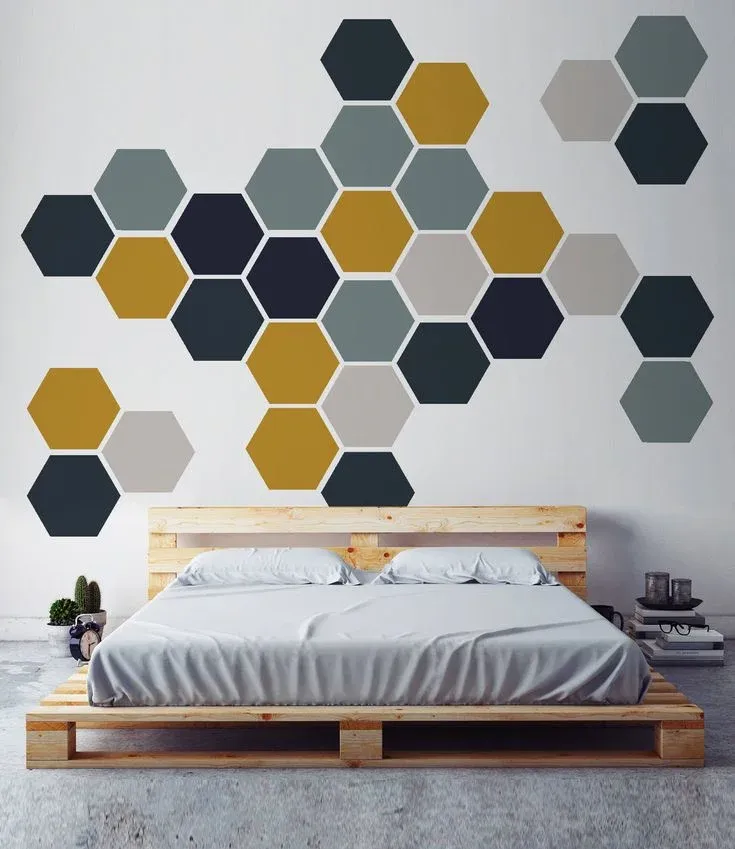
Bedroom. Peel and stick wall decals or a mural behind the bed give you a headboard look without buying a headboard. Just don’t hang anything over your pillow on adhesive.
Kids’ room and nursery. Decals are the star here. Animals, rainbows, and stars are easy to move as your child grows, which is the whole point. Press the edges firmly, since little hands love to pick at corners.
Kitchen and bathroom. Humidity and grease are the enemies. Clean the wall well, choose products made for moisture, and expect a shorter lifespan than in a dry bedroom. Small decals often outlast big murals in these rooms.
Entryway and home office. Adhesive hooks and a washi tape gallery keep things tidy without holes. A lightweight cork board mounted on strips can hold notes, postcards, and photos.

How to Apply Peel and Stick Wall Decals Without Bubbles
A crooked decal can make a great design look sloppy. Take ten minutes and do it right.
- Clean the wall. Dust and grease ruin adhesion. Wipe with a damp cloth and let it dry fully.
- Plan the layout. Lay the pieces on the floor first. Start with the big ones, then fill gaps with small ones. Mark positions with painter’s tape or a pencil dot.
- Peel a little at a time. Remove part of the backing, stick the top edge, and work downward.
- Press from the center out. A credit card or soft squeegee pushes air toward the edges.
- Go over the edges twice. Edges that aren’t pressed down well tend to lift when you remove the backing. Thin details like stems need extra attention.
One more tip: for large sheets, ask a friend to hold the other end so it doesn’t fold onto itself. And work in a room that isn’t too hot or cold. Command rates its strips for indoor temperatures between 50 and 105°F, and decal adhesive behaves much the same way.
The best part? If you hate where something landed, peel it off and try again. That freedom is the main reason removable wall decor beats paint for people who love to redecorate. Just don’t expect endless do-overs, since reused decals slowly lose their grip.

How to Remove It Without Peeling Your Paint
Removal is where most damage happens, so slow down.
Taking Down Decals and Wallpaper
Warm the surface with a hair dryer on low first, since heat softens the adhesive. Then peel slowly back against the wall at a low angle instead of pulling straight out. A sharp 90-degree pull is where paint damage is most likely. Low and slow wins every time.
Don’t rush a whole wall in one go, either. Remove one piece, check the paint, and adjust your speed. If paint starts to lift, stop, warm the area longer, and slow down.
Taking Down Adhesive Strips
Strips have their own rule. Hold the top of the strip and pull it straight down toward the floor, slowly. Pulling out and away from the wall is the number one way people rip paint. If a strip resists, warm it up or slide dental floss behind it.
Cleaning Up Sticky Residue
Water-based adhesives often wipe away with a damp cloth. For stubborn spots, soapy water, rubbing alcohol, or a dab of olive oil can loosen sticky residue. Test each in a hidden spot first. If a bit of paint does lift, clean the area and dab on some touch-up paint. Taking down removable wall decor properly takes about as long as putting it up, so give it a real afternoon.
What Removable Wall Decor Costs
Budget matters when you’re furnishing a rental. Here are the ranges we saw while researching:
- Wall decals: About $13 for small sets, up toward $70 for large kits.
- Removable wallpaper: Roughly $17 to $50 per roll.
- Murals: Some panels start around $12 to $15, with large scenes costing much more.
- Adhesive strips: Around $7 to $10 for a multipack.
Compare that to what could go wrong. A patch-and-repaint charge taken from your deposit can add up fast, sometimes past the cost of your whole decorating budget. So it’s worth spending a few extra dollars on a decent brand and a sample test.
If money is tight, start with hanging strips and one decal set. You’ll get the biggest visual change for the least cash. Save the pricier wallpaper for after you’ve confirmed your paint can handle it. Also budget a few dollars for extras like a small level, painter’s tape, and rubbing alcohol wipes. They’re cheap, and they make the install cleaner.
Ask Your Landlord Before You Stick Anything
Read your lease first. Some leases ban any wall attachment, even adhesive ones, and some allow removable items but ban wallpaper. Ask early instead of finding out at move-out.
Here’s a simple routine:
- Email your landlord or property manager to ask what’s allowed.
- Photograph every wall before you decorate.
- Save the product name and instructions in case there’s a dispute.
- Take a second set of photos after you remove everything.
If your landlord says no to adhesives altogether, you still have options: leaning art, freestanding shelves, fabric on a tension rod, and plants on stands.
Get approval for removable wall decor in writing. A two-line text reply counts. It costs you nothing and can protect your deposit.
FAQs: Removable Wall Decor
Do decals and wallpaper damage walls?
Removable wall decor can, but it’s uncommon. Damage usually comes from weak or old paint, freshly painted walls, or rough removal. Test a small piece first, wait for new paint to cure, and peel slowly at a low angle. Most decals come off clean from solid, smooth paint.
Can I use peel and stick wall decals on textured walls?
Light orange peel might work, but the grip will be weaker. Heavy knockdown or popcorn texture usually fails. Stick a sample in a hidden spot for a week before you commit to a full set, and don’t put anything valuable at risk.
How long can I leave decals or wallpaper up?
Many renters keep them for a whole lease. But adhesive gets harder over time, which makes removal tougher. If you plan to stay for years, check the wall now and then, and take everything down slowly when the time comes. Warm stubborn adhesive first.
What if removable decor leaves sticky residue?
Start with a damp cloth. For stubborn spots, try soapy water, rubbing alcohol, or a tiny bit of olive oil, testing in a hidden area first. Wipe the wall clean afterward so the paint stays intact and the surface is ready for touch-ups.
Is this kind of decor okay for renters?
Yes, removable wall decor is the go-to choice for most tenants, as long as you check your lease and ask first. Choose products rated for your wall type, follow the instructions, and photograph the walls before and after. That paper trail protects your deposit.
Conclusion
The best removable wall decor is the kind that suits your wall, not just your taste. Check the paint. Test a small piece. Follow the removal rules. Do those three things and most of the risk disappears.
Bare walls don’t have to stay bare, and you don’t have to lose your deposit to fix them. Start with something small, like a set of peel and stick wall decals or one row of hooks, and build up as you get confident. If a wall fails the test, lean art against it and move on. There’s always a way to make a rental feel like yours. And if you’re ever unsure about a wall, ask a friend or your landlord to look at it with you. A second pair of eyes catches flaking paint you might miss.
This weekend, pick one hidden spot, stick a sample, and check it in a week. That tiny test is the cheapest insurance you’ll ever buy for your walls.