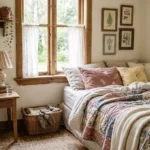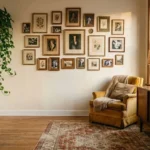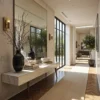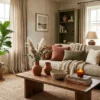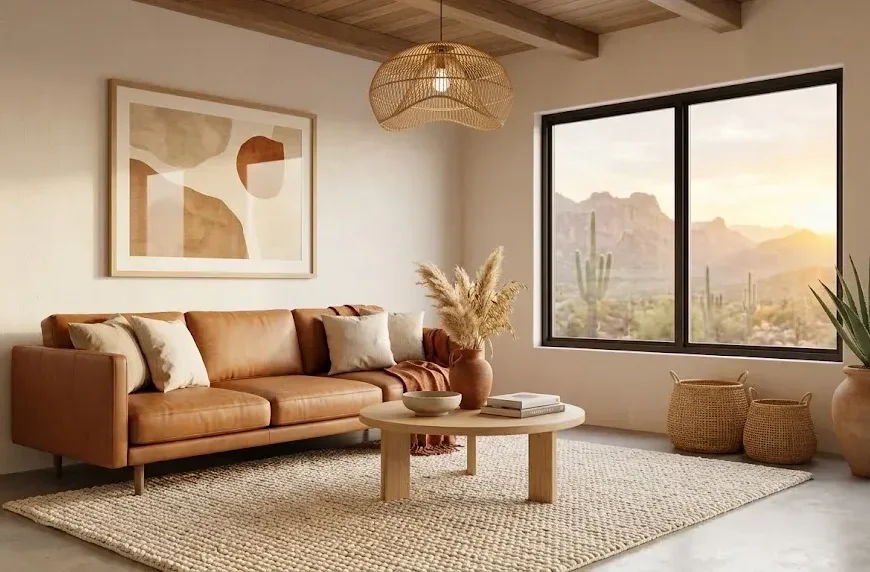
You’ve seen the photos. A low leather sofa, a chunky woven rug, one sculptural vase, and warm white walls that glow at four in the afternoon. It looks like somebody’s weekend in Joshua Tree, and you want that feeling at home. Even if home is a rental in a rainy city.
Here’s the good news: desert modern decor travels well. You don’t need adobe walls, a cactus garden, or a Palm Springs budget. You need a handful of rules and the nerve to stop buying extra stuff.
In this guide, you’ll learn what the style really is, how it differs from Southwestern and boho, and seven rules to get it right in a normal home. We’ll start with the basics.
Rule 1: Know What Desert Modern Decor Really Is
Desert modern decor is modern design with a warm, sun-baked soul. You get clean lines and simple furniture, softened by earthy color, natural materials, and handmade pieces. The result feels calm, not themed.
The roots go back to California in the 1940s and 1950s. Architects in Palm Springs, such as Albert Frey and John Porter Clark, shaped homes that sat comfortably in the landscape, with simple forms and plenty of glass. Interiors followed the same logic: keep it open, keep it honest, and let the outdoors do some of the decorating.
Why is it everywhere right now? Part of it is mood. Ideal Home’s 2026 trend report says earthy shades rank among the top 2026 colour trends for nearly every area of the home, and people want spaces that feel cozy and personal. This style fits that mood without shouting.
Desert modern vs. Southwestern vs. boho
This is where most people get tripped up, so here’s a quick way to picture it:
- Southwestern is a loud family dinner. Rich color, heavy wood, bold patterns, and lots of folk art.
- Boho is a house party. Layers, prints, and plants everywhere.
- Desert modern is a quiet morning on the porch. Edited, warm, and a little bit empty on purpose.
That’s the whole idea behind desert modern decor. Southwestern rooms tend to be rustic and ornate; this style strips out the noise and finds its warmth in restraint. Every piece earns its spot. If you can’t say why something is there, it probably shouldn’t be.
Rule 2: Build Everything on an Earth Tone Color Palette
Picture a desert at golden hour. Sand, dust, clay, and one big soft sky. That’s your whole color story.
An earth tone color palette is the fastest way to make a room read as desert modern decor, even before you buy one new piece of furniture. Start with a warm base on the walls: creamy white, oatmeal, or pale sand. Skip the crisp, blue-leaning whites. Next to leather and wood, they go cold and flat.
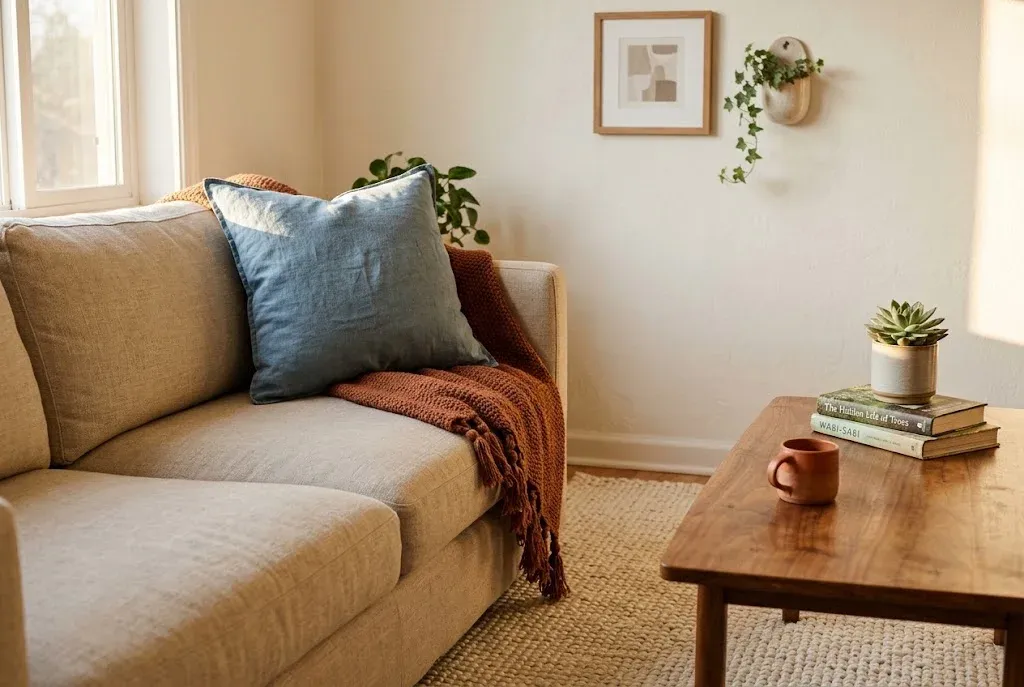
Here’s what that looks like in real life. Say you have a sand-colored sofa. Add a rust throw, a walnut coffee table, and a cream jute rug. Three shades, one warm family, nothing fighting. If you want a cooler note, a dusty blue or sage cushion works, and it echoes the desert sky and sagebrush.
The 60-30-10 shortcut
Use this split and you’ll rarely go wrong:
- 60% soft neutrals: walls, sofa, big rug.
- 30% mid tones: wood, leather, baskets, ceramics.
- 10% accents: terracotta, rust, burnt orange, or a dusty blue pillow.
One reality check before you buy paint: test a big swatch on two different walls, and look at it in the morning and again at night. Light changes warm colors a lot, and that cream you loved in the store can turn yellow after dark. Give it a full day before you commit.
Terracotta deserves a special mention. Pinterest searches for terracotta bedrooms rose 341% year over year, according to Domino, and terracotta decor and palettes climbed too. It’s a trend, sure, but it’s also a color the desert has been using forever.
Renting? Skip the paint. Get your palette from pillows, bedding, a rug, and a couple of ceramic pieces. That gets you most of the way there, and it all moves with you. Keep the palette to four or five colors total. Past that, the room starts to feel busy.
Rule 3: Choose Natural Materials Over Shiny Ones
Run your hand across your room in your head. If it all feels like glossy laminate and chrome, we’ve got work to do.
Natural materials are the heart of desert modern decor. Stone, clay, light wood, leather, and plant fibers all look better with age, and they bring the outdoors in without you hauling a boulder into the living room. On top of that, they’re quiet. They don’t shout for attention, which is exactly the energy you want in a room meant to help you unwind.
A leather sofa is the classic anchor. Pick tan, cognac, or caramel, and let it get a little worn. That lived-in look is the point, and it reads modern when the frame is simple and low.
Then work down in scale. A smooth river rock as a doorstop. A thrifted clay pot on the console. A chunky wooden bowl on the coffee table. Nothing fancy, but each piece feels like it came from somewhere real.
Where to spend and where to save
- Spend on: the sofa or one great chair, a solid wood table, a quality wool rug.
- Save on: ceramics, baskets, trays, and planters. Thrift stores are gold here.
- Skip: faux-distressed wood, shiny metallics, and anything with “desert” printed on it.
Bonus: natural materials hold up longer, so you buy less over time. That’s cheaper than it sounds. A solid wood table can last decades, while a particleboard one often won’t survive a second move.
Here’s a quick test. Walk around and touch five things. At least three should be stone, clay, wood, leather, or woven fiber. If they are, you’re on track.
Rule 4: Layer Woven Textures for Warmth
Here’s the trick: when a room is mostly neutral, texture does the job color would do in a bolder style. That’s why woven textures matter so much in desert modern decor. Fireclay Tile’s guide to desert modernism even gives woven decor a rule all its own.
Skip the all-white-everything look. A bare, minimal room can feel cold, and warmth comes from layering natural materials, not adding more stuff.
A simple layering formula
You don’t need a mood board. Try this:
- One big rug. Jute for a natural look, or a flat-weave wool in sand or rust. It should be large enough for the front legs of your furniture to sit on it.
- Two pillow textures. Say, nubby linen and smooth leather or suede. Keep patterns simple and geometric.
- One chunky throw in wool or cotton knit, draped casually over the sofa arm.
- Two woven baskets. Use them for blankets, magazines, or a plant. They’re also a low-commitment way to try the look before you go bigger.
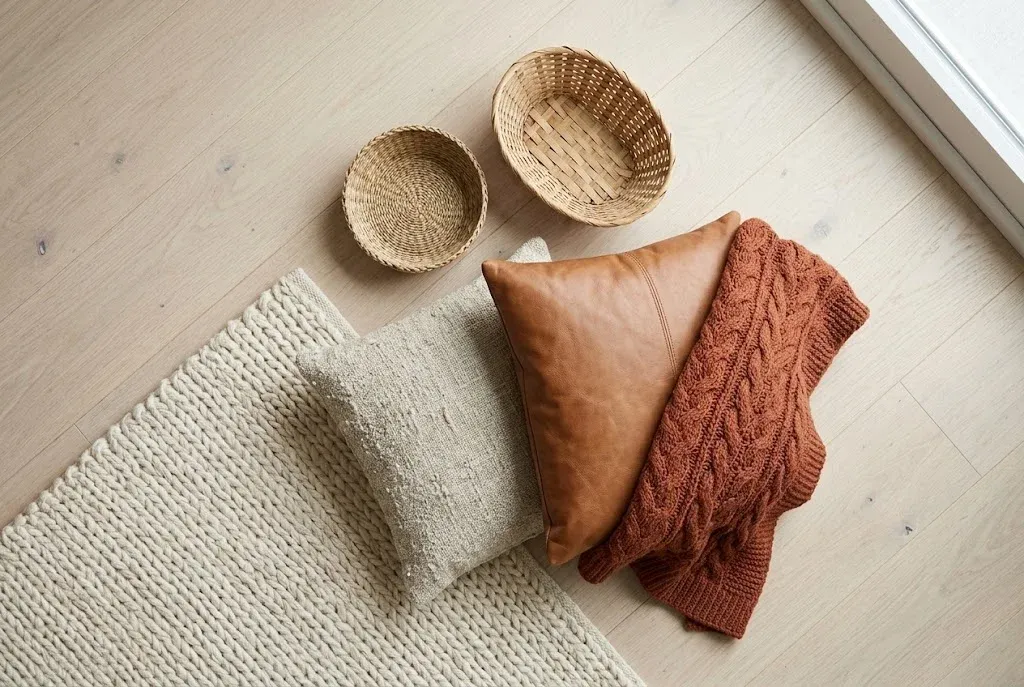
That’s layered textiles in action: four or five tactile things, all in the same warm family. One more trick: mix rough and smooth. A nubby jute rug under a smooth leather chair feels richer than two rough things side by side. Contrast keeps a neutral room from going flat.
A word on pattern. Geometric prints and subtle stripes fit well, since they echo the graphic shapes found in regional weaving. Keep them small and few. One patterned pillow is a nod. Six is a costume.
Want to go one step further? A woven wall hanging or a leather pouf adds depth in corners that feel empty. Hunt for handmade pieces from artisans, and you’ll get character that mass-market lookalikes can’t match.
Rule 5: Keep Clean Lines and Edit Hard
Here’s where this style parts ways with its busier cousins. It’s fine, even good, for a shelf to be mostly empty.
Choose furniture with clean lines: low sofas, simple wood tables, slim frames. Mid-century modern shapes work well here, with tapered legs and soft curves. A low platform bed, a round wood coffee table, and a leather lounge chair are almost a uniform.
Why does this matter? Because the style relies on shape. When a room sits in one warm color family, silhouettes do the talking, so every piece needs a clear outline.
Three editing rules that work
- Group in threes. Three objects on a shelf look intentional. Seven look like a garage sale.
- Leave a third of every surface empty. Empty space is a design choice, not a mistake.
- Pick one big piece of art, not six small ones. Abstract works in warm, desert-inspired colors are a safe bet.
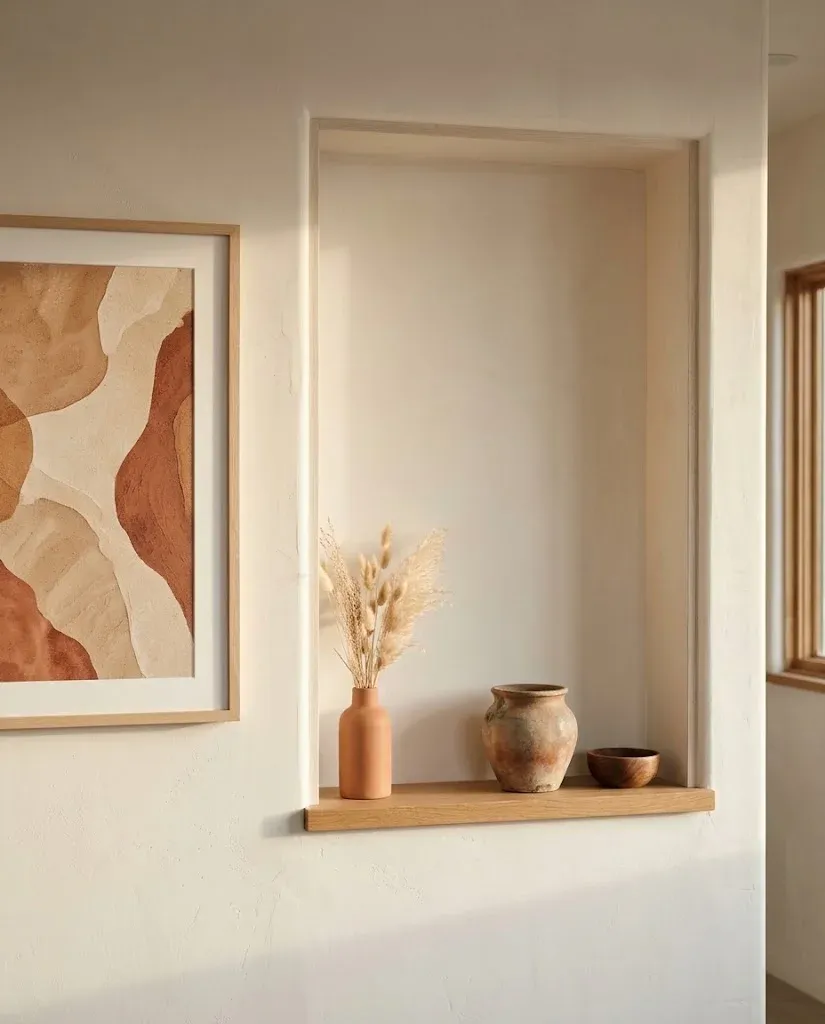
For example, a living room with a low leather sofa, one wool rug, one wood coffee table, and a single large abstract print can look finished with just a handful of objects on top.
Now for the flip side. Editing isn’t the same as stripping everything away. A room with nothing in it feels like a showroom. If yours feels cold, add one more natural material or texture, not more objects. And don’t swing the other way into rustic: distressed wood and busy eclectic patterns push you toward boho or farmhouse, which is a different room entirely. Good desert modern decor sits right in the middle: calm, but never cold.
Rule 6: Add Sculptural Lighting and Desert Plants
Ever notice how a room feels different at 6 p.m. than it does at noon? Desert modern is built around that warm, low glow.
Light it like a sunset
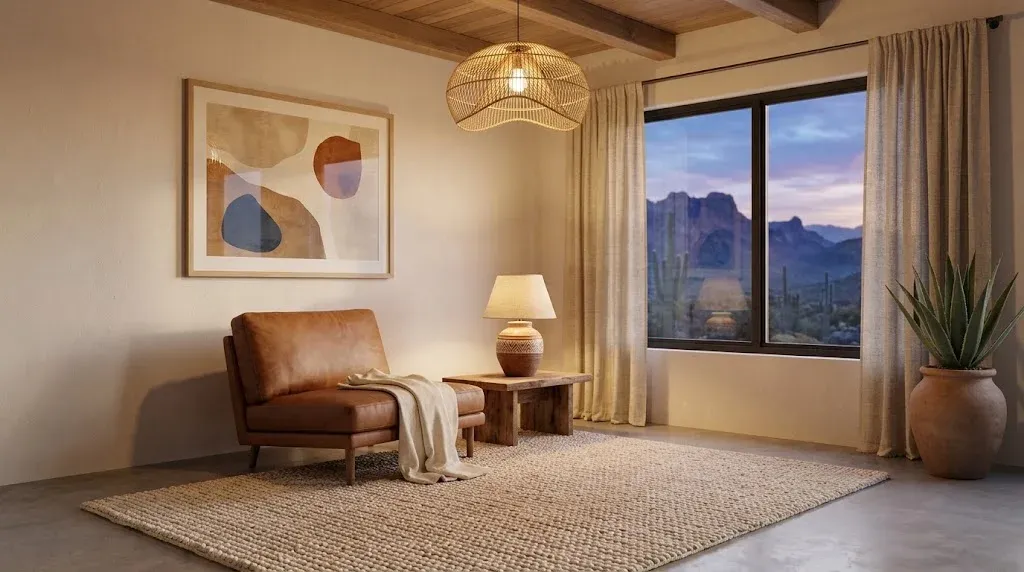
Swap cool white bulbs for warm ones, around 2700K. Then pick one or two sculptural lighting pieces: a paper or rattan pendant, a ceramic table lamp, or a curvy floor lamp that looks good even when it’s off. Fixtures like these double as art, so you can skip a few extra decor pieces.
And let daylight in. Heavy drapes fight the whole idea. Linen curtains or woven shades soften the light without blocking it. It’s a small shift, but it changes how desert modern decor feels at night.
Plants that won’t die on you
Succulents and cacti are the obvious picks, and they suit the style. But here’s a tip: go for fewer, bigger plants instead of a row of tiny pots. One tall cactus or agave in a plain clay planter beats ten baby succulents on a windowsill.
Short on light? Snake plants and ZZ plants handle dim corners and still look sculptural. They’re also forgiving if you forget to water, which fits the whole dry-climate mood.
Not a plant person? Dried grasses or a few bare branches in a ceramic vase give you the same organic shape with zero watering. Just skip anything that looks obviously plastic. Fake plants tend to give the game away.
Rule 7: Make It Work in a Rental, a Cold Climate, or on a Budget
Here’s the part most guides skip. You don’t live in Palm Springs, and you might not own your walls. Good news: desert modern decor still works.
If you’re renting
Focus on what moves: rugs, bedding, pillows, lamps, art, and plants. Use removable hooks for lightweight art, and rely on plug-in lamps instead of the overhead light. Beige walls? Warm them up with a big rug and wood furniture rather than paint.
In a small apartment
Keep furniture low so walls feel taller, use mirrors sparingly, and stick to a tight three-color palette. One statement rug and one big plant will do more than a dozen little accessories.
If it’s cold where you live
Cold weather pushes you toward the cozy side of the style. Add wool throws, a thick rug, and warm lighting. Pick deeper terracotta and caramel tones over pale sand so rooms don’t look washed out under gray winter skies. Desert nights get chilly too, so heavy textiles are right at home here.
If your budget is small
Thrift stores, estate sales, and online marketplaces are full of clay pots, wood bowls, and baskets. Buy one good piece, like a rug or a lamp, and fill in around it with secondhand finds. Frame a fabric remnant or a large, simple print for cheap art. And remember: desert modern decor rewards editing, so you’ll buy less, not more.
FAQs: Desert Modern Decor
What’s the difference between desert modern and Southwestern style?
Southwestern style is richer in color, pattern, and rustic detail, with heavy wood and folk art. Desert modern keeps the warmth but edits hard: cleaner furniture, fewer patterns, and more empty space. Think of it as a modernist’s version of Southwestern, calmer and more restrained.
Which colors work best for this style?
Start with warm whites, sand, and oatmeal, then add clay, terracotta, rust, and caramel leather. A dusty blue or sage gives you a cool counterpoint. Keep it to four or five colors so desert modern decor stays calm instead of busy.
Can I do this look in a small apartment or a cold climate?
Yes. Keep furniture low, stick to a tight palette, and use rugs, pillows, and lamps you can take with you. In cold places, lean on wool throws, deeper terracotta tones, and warm lighting so the space feels cozy rather than washed out.
How much does it cost to get the look?
It depends on how much you buy new, but it’s one of the cheaper styles to pull off. Thrift ceramics and baskets, then spend on one anchor piece like a leather chair or a wool rug. Because desert modern decor rewards editing, you’ll buy less than you think.
Is this just a passing trend?
Parts of it are trendy, like terracotta, but the foundation isn’t. It grew out of mid-century California design and focuses on natural materials, simple shapes, and warm light. Those ideas have stuck around for decades, so a calm, edited version of the look should age well.
Conclusion
You don’t need a Joshua Tree budget or a desert zip code to get this look. You need a warm palette, honest materials, a few layers of texture, clean lines, soft light, and the nerve to leave some space empty.
If you remember one thing, make it this: desert modern decor is about restraint. It’s the opposite of buying a matching set. Every piece earns its place, and the room feels calmer because of it.
Don’t chase the photos. Those rooms were styled for a camera. Yours has to hold your coffee mugs, your mail, and your actual life. A calm, warm, slightly imperfect room beats a perfect one nobody feels comfortable in.
Here’s your next step. This weekend, walk through your main room with a laundry basket. Pull out anything shiny, mismatched, or purely decorative that you don’t love. Then add just one thing from the rules above: a jute rug, a warm bulb, a clay pot, or a leather throw. Live with it for a few days and see how the room feels.
Small moves add up fast. Start with one corner, and let it grow from there.