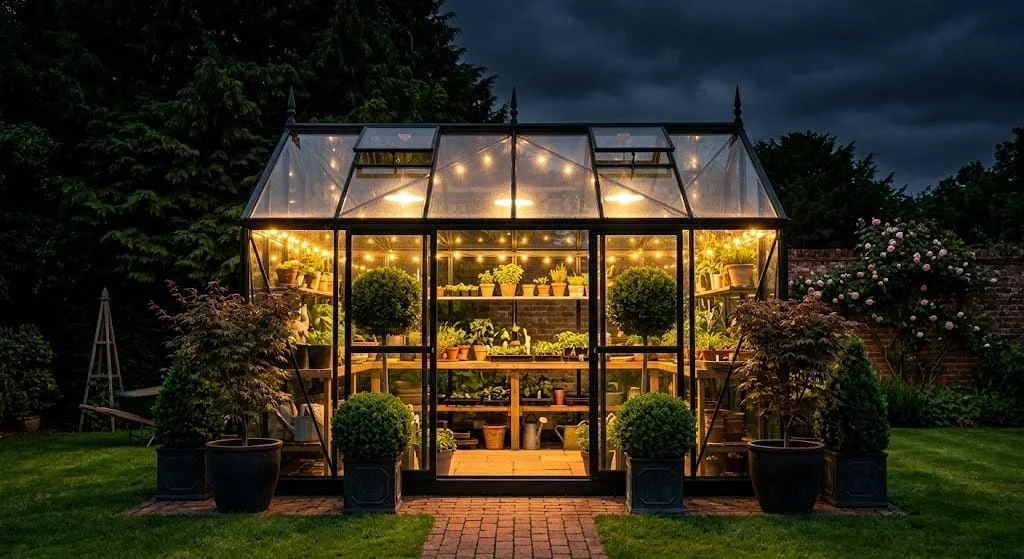
Modern greenhouse farming is evolving as growers look for smarter ways to lower energy costs while maintaining healthy and consistent plant production. Traditional lighting systems can become expensive over time, especially for commercial greenhouses that operate throughout the year. Because of this, many farmers, home gardeners, and greenhouse owners are now investing in greenhouse lights solar systems to create more sustainable and cost-effective growing environments.
The interest in energy-efficient farming has grown steadily in recent years. Rising electricity prices, changing climate conditions, and the growth of indoor agriculture have encouraged growers to explore renewable energy options. Solar-powered lighting systems offer a practical solution by combining clean energy with modern greenhouse technology. Many growers who switch to solar systems notice not only lower electricity bills but also more control over their overall energy usage.
A properly planned greenhouse lights solar setup helps maintain consistent lighting even during cloudy weather or shorter winter days. Most systems include solar panels, battery storage, LED grow lights, controllers, and energy management tools that work together to create stable growing conditions. These systems are commonly used for vegetables, herbs, flowers, seedlings, and specialty plants that require controlled lighting schedules.
Another reason behind the increasing popularity of greenhouse lights solar solutions is environmental awareness. Greenhouse owners are becoming more conscious about reducing carbon emissions while still maintaining productivity. Solar technology allows growers to reduce dependence on traditional electricity sources and support more environmentally responsible farming practices.
Today’s solar systems are far more dependable than earlier models. Improvements in solar panel efficiency, lithium battery storage, and LED lighting technology have made solar greenhouse systems more reliable across different climates and growing conditions. Both small backyard greenhouses and large commercial operations can benefit from these advancements. As renewable energy technology continues improving, solar greenhouse lighting is becoming more practical and accessible for growers around the world.
Why Solar Lighting Matters in Modern Greenhouses
Greenhouses often depend on artificial lighting when natural sunlight is limited. During winter, rainy seasons, or in shaded areas, plants may not receive enough sunlight to grow properly. Without adequate lighting, plant development slows down, flowering becomes weaker, and overall crop quality may decline.
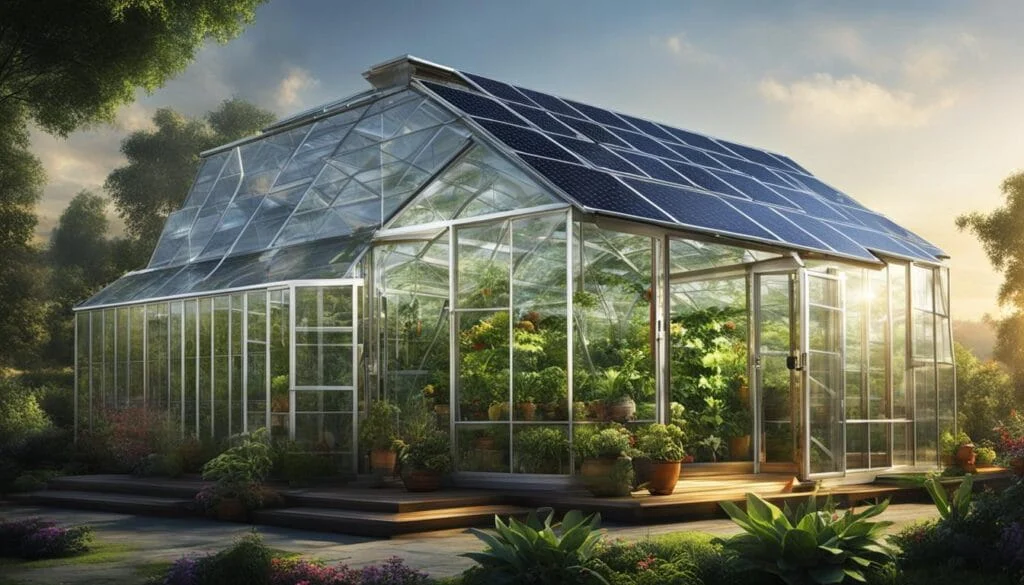
This is where solar powered greenhouse lighting becomes especially useful. Instead of depending entirely on the electrical grid, growers can capture sunlight during the day and use stored solar energy to power greenhouse lights after sunset. This approach creates a more energy-independent and sustainable growing system.
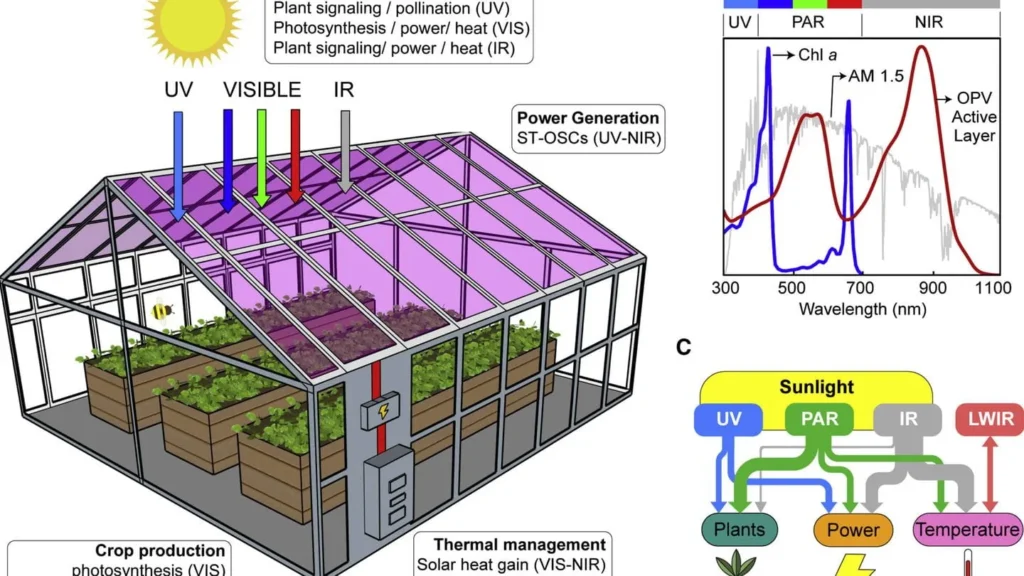
Different plants require different types of light throughout their growth cycle. Young seedlings typically benefit from blue light, which supports leaf and stem growth, while flowering and fruiting plants often need more red light exposure. Modern solar LED grow lights are designed to provide balanced light spectrums that support healthy photosynthesis and consistent plant development.
Cost savings are another major advantage. Commercial greenhouse operations can spend significant amounts on electricity every year. By using energy efficient greenhouse lights powered through solar energy, growers can reduce long-term operating expenses. Although installation requires an upfront investment, many greenhouse owners find that the savings over time make the system financially worthwhile.
Many growers also prefer eco friendly greenhouse lighting because it aligns with sustainable agriculture practices. Customers today are increasingly interested in supporting farms and agricultural businesses that use renewable energy and environmentally responsible production methods. Solar-powered greenhouse systems can help businesses strengthen both sustainability efforts and customer trust.
Reliability is another important benefit. In areas where power outages are common, an off grid greenhouse lighting system can help protect crops from unexpected disruptions. Battery backup systems continue supplying energy to essential lights, helping maintain stable growing conditions. This consistency is especially valuable for commercial growers working with sensitive crops that require carefully controlled lighting schedules.
How Greenhouse Solar Lighting Systems Work
A complete greenhouse solar lighting system includes several connected components that work together to provide dependable lighting for plants. Understanding how these systems function can help greenhouse owners choose a setup that matches their growing needs and energy goals.
The process begins with solar panels installed on rooftops or open spaces with strong sunlight exposure. These panels collect sunlight during the day and convert it into electrical energy. The electricity then passes through a charge controller, which regulates power flow and helps protect batteries from overcharging or energy loss.
Energy storage plays a major role in every greenhouse lights solar setup. Batteries store excess energy collected during daylight hours so greenhouse lights can continue operating at night or during cloudy weather. Lithium-ion batteries are widely used because they offer better efficiency, faster charging, and longer lifespans compared to older battery technologies.
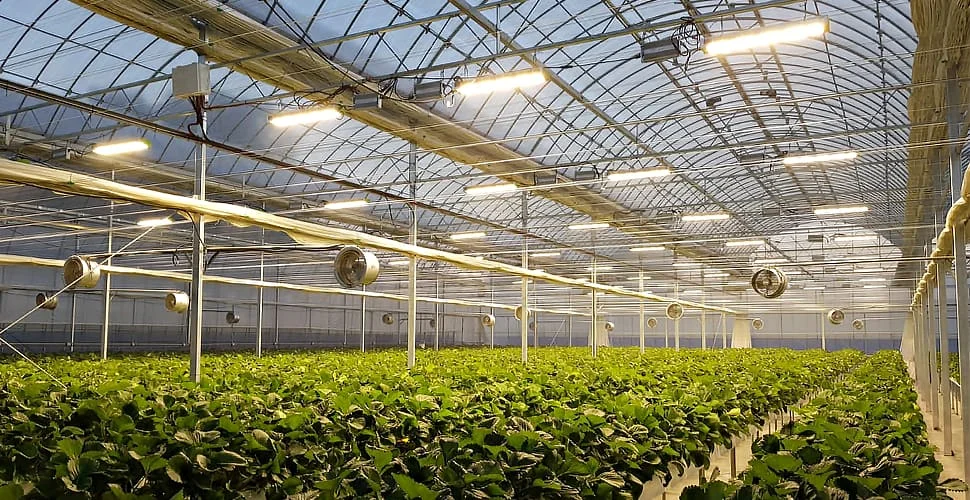
LED grow lights are usually the preferred option for greenhouse systems because they use less electricity while delivering effective light spectrums for plant growth. Traditional lighting systems, including high-pressure sodium lamps, often produce more heat and consume larger amounts of power. In comparison, modern solar panel powered grow lights provide strong lighting performance with lower energy consumption.
Smart automation is also becoming more common in advanced greenhouse systems. Timers, programmable controllers, and light sensors help growers manage lighting schedules according to crop requirements. Some systems automatically adjust brightness levels depending on available sunlight and battery storage levels, making energy use more efficient.
Proper sizing is essential when designing a solar greenhouse setup. Small hobby greenhouses may only need a few LED fixtures and compact solar panels, while commercial operations often require larger solar arrays and industrial-grade battery systems. Choosing the right system capacity helps ensure plants receive enough light without exhausting stored energy too quickly.
Benefits of Greenhouse Lights Solar Systems
One of the main reasons growers choose greenhouse lights solar technology is long-term cost reduction. Electricity is often one of the largest ongoing expenses in greenhouse farming, particularly in colder regions where supplemental lighting is needed for several months each year. Solar energy helps reduce reliance on utility providers while offering greater control over energy expenses.
Environmental sustainability is another major advantage. Renewable energy systems produce cleaner electricity compared to traditional fossil fuel-powered grids. Greenhouse owners using renewable energy greenhouse solutions contribute to lowering greenhouse gas emissions while supporting more sustainable agricultural practices.
Energy independence also provides important benefits. Many rural farming areas experience unstable electricity supplies or occasional power outages. A dependable off grid greenhouse lighting system helps growers maintain stable plant growth even during electrical disruptions. This added security can prevent crop losses and reduce operational risks.
Plant quality may improve under properly designed solar lighting systems as well. Modern best solar grow lights for greenhouse applications provide targeted light spectrums that support photosynthesis, flowering, and fruit production. Unlike inconsistent natural sunlight during certain seasons, controlled lighting systems help maintain steady plant growth throughout the year.
Maintenance costs for LED systems are generally lower than traditional greenhouse lighting setups. High-quality LED grow lights can operate for tens of thousands of hours before replacement becomes necessary. This durability makes energy efficient greenhouse lights a practical long-term investment for both small-scale growers and large agricultural operations.
In some cases, solar-powered infrastructure may also increase property value and business appeal. Agricultural businesses that adopt renewable energy technologies often attract environmentally conscious customers, investors, and business partners. As sustainability becomes more important across the agriculture industry, solar greenhouse systems may offer a valuable competitive advantage.
Choosing the Best Solar Grow Lights for Greenhouses
Selecting the right greenhouse lights solar system depends on several factors, including greenhouse size, crop type, climate conditions, and available budget. Many growers make the mistake of choosing low-quality systems that fail to provide adequate lighting for healthy plant growth. Careful planning can help avoid performance issues later.
One of the first things to evaluate is light spectrum quality. Different plants respond to different wavelengths during various growth stages. Full-spectrum LED systems are often recommended because they closely mimic natural sunlight and support both vegetative growth and flowering. Reliable solar LED grow lights should provide balanced red and blue wavelengths for better plant development.
Brightness levels are equally important. Larger greenhouses need stronger lighting intensity to ensure plants receive consistent coverage across the entire growing area. Measuring light output through PPFD (Photosynthetic Photon Flux Density) can help growers determine whether a lighting system meets crop requirements.
Battery storage capacity should also match lighting demands. If greenhouse lights need to operate for several hours after sunset, the system must include sufficient battery reserves. A well-designed greenhouse solar lighting system often includes backup storage to support operation during cloudy weather or reduced sunlight conditions.
Durability matters as well, especially in humid greenhouse environments where moisture exposure is common. Waterproof and heat-resistant fixtures typically provide better long-term performance. Many experienced growers recommend choosing systems made from corrosion-resistant materials and backed by strong warranties.
Smart controls can improve efficiency and convenience. Timers, dimmers, and automated sensors help optimize energy usage while maintaining proper lighting schedules. Advanced greenhouse lights solar systems may also include mobile monitoring features that allow growers to adjust settings remotely.
Commercial greenhouse operators often benefit from modular systems that can expand over time. As greenhouse operations grow, additional solar panels, batteries, and lighting fixtures can be added without replacing the entire system. This flexibility makes future expansion more manageable and cost-effective.
Common Mistakes When Installing Solar Greenhouse Lights
One of the most common mistakes growers make is underestimating their energy requirements. Some greenhouse owners install small solar systems expecting them to power large lighting setups throughout the night. Inadequate system sizing often leads to battery shortages and inconsistent lighting schedules that can affect plant growth.
Poor solar panel placement is another frequent issue. Solar panels perform best when they receive direct sunlight for most of the day. Trees, nearby structures, or improper roof angles can reduce solar energy collection significantly. A professional site evaluation can help improve panel positioning and overall system efficiency.
Battery maintenance is sometimes overlooked as well. Even modern lithium battery systems require regular monitoring to maintain reliable performance. Extreme temperatures, overcharging, and deep discharging can shorten battery lifespan if not managed correctly.
Another common problem involves using low-quality lighting fixtures. Inexpensive LED products may fail to deliver the proper light spectrums required for healthy plant development. Investing in professional-grade solar lights for greenhouse plants often results in better crop quality and more reliable long-term performance.
Ventilation should not be ignored either. Although LED grow lights produce less heat compared to traditional systems, enclosed greenhouses still require proper airflow management. Poor ventilation can increase humidity levels and create favorable conditions for mold, mildew, and plant diseases.
Some growers also fail to plan for future expansion. A small greenhouse lights solar setup may work well initially but become insufficient as production increases. Designing a scalable system from the beginning helps reduce upgrade costs later and supports long-term operational growth.
Comparing Solar LED Grow Lights vs Traditional Greenhouse Lighting
| Feature | Solar LED Grow Lights | Traditional Lighting |
|---|---|---|
| Energy Source | Solar power | Grid electricity |
| Operating Cost | Lower long-term cost | Higher monthly bills |
| Environmental Impact | Eco-friendly | Higher carbon footprint |
| Heat Production | Low heat output | Higher heat generation |
| Maintenance | Minimal maintenance | Frequent bulb replacement |
| Lifespan | Long-lasting LEDs | Shorter bulb lifespan |
| Energy Efficiency | Very high | Moderate |
| Power Independence | Possible off-grid use | Dependent on utilities |
The shift toward greenhouse lights solar technology continues because solar-powered systems provide both financial and environmental advantages. While installation costs may initially seem higher, many growers find that long-term savings and improved energy efficiency make the investment worthwhile over time.
Future Trends in Solar Greenhouse Technology
Agricultural technology continues advancing rapidly, and greenhouse solar systems are becoming more intelligent each year. Artificial intelligence, smart automation, and IoT-based monitoring tools are increasingly being integrated into greenhouse operations to improve efficiency and crop management.
Future greenhouse lights solar systems may automatically adjust lighting intensity based on plant growth stages, weather conditions, and available stored energy. These automated systems could help growers improve crop yields while reducing unnecessary energy consumption.
Flexible solar panels are another promising development. Lightweight and bendable solar materials may eventually allow greenhouse owners to integrate solar energy collection directly into greenhouse structures without relying entirely on traditional rooftop installations.
Battery technology is also improving steadily. New energy storage solutions are expected to provide faster charging, longer operational life, and better storage capacity. These advancements will likely make solar powered greenhouse lighting even more dependable during cloudy weather and extended nighttime use.
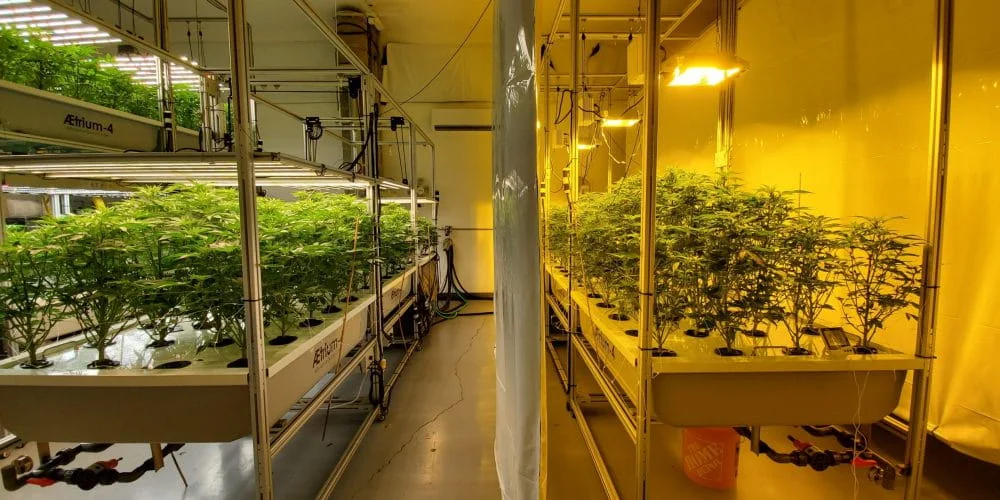
Vertical farming is driving additional innovation as well. Urban agriculture projects increasingly rely on compact solar panel powered grow lights to support indoor crop production in areas where farming space is limited. As cities continue exploring local food production, solar-powered growing systems may play an even larger role in urban agriculture.
Government support is expected to encourage adoption further. Many countries already offer renewable energy incentives, grants, and energy-efficiency programs designed to support sustainable agricultural infrastructure. These programs may help greenhouse owners reduce installation costs and transition toward cleaner energy solutions.
Practical Tips for Better Greenhouse Solar Lighting Performance
Maintaining strong system performance requires regular monitoring and careful management. Cleaning solar panels regularly is one of the simplest yet most effective ways to improve energy production. Dust, dirt, leaves, and bird droppings can reduce sunlight absorption over time.
Battery health should also be monitored consistently. Battery management systems help identify charging issues before they affect lighting performance. Many growers find that temperature-controlled battery storage areas improve efficiency and extend battery lifespan.
Using reflective greenhouse materials can improve light distribution throughout the growing space. White interior surfaces, reflective films, and properly positioned fixtures help maximize the performance of best solar grow lights for greenhouse systems.
Energy conservation strategies are equally important. Automatic timers prevent unnecessary energy use during daylight hours, while optimized lighting schedules help reduce battery demand. Some growers combine natural sunlight with supplemental lighting to create more efficient energy management throughout the day.
Seasonal adjustments may also improve overall system performance. During winter months, greenhouse owners often increase lighting duration to compensate for shorter daylight hours. Modern greenhouse solar lighting system designs usually allow flexible programming that can adapt to changing seasonal requirements.
Professional installation can prevent many technical issues from developing later. Proper wiring, correct panel orientation, waterproofing, and electrical safety measures all play an important role in maintaining long-term system reliability and performance.
FAQs About Greenhouse Lights Solar
Are greenhouse lights solar systems expensive to install?
Initial setup costs can be higher than traditional lighting systems, but long-term energy savings usually offset installation expenses over time.
Can solar greenhouse lights work during cloudy weather?
Yes. Battery storage systems allow solar lights to operate during cloudy periods and night time hours.
What plants grow best under solar LED grow lights?
Vegetables, herbs, flowers, seedlings, strawberries, tomatoes, lettuce, and leafy greens often perform very well under LED grow lighting systems.
How long do solar LED grow lights last?
Most high-quality LED grow lights last between 30,000 and 50,000 hours depending on usage and maintenance.
Is off-grid greenhouse lighting reliable?
Modern battery storage and efficient LED systems make off-grid greenhouse lighting highly dependable for many agricultural applications.
Do greenhouse solar systems require maintenance?
Yes, but maintenance is generally minimal. Cleaning solar panels and checking battery health regularly helps maintain strong performance.
Can small home greenhouses use solar lighting systems?
Absolutely. Small home greenhouses can benefit from compact and affordable solar lighting kits designed for residential growers.
Conclusion
Choosing the right lighting system can make a significant difference in the overall success of a greenhouse, especially when plants depend on stable growing conditions throughout the year. As energy costs continue to rise, many growers are looking for practical solutions that support both productivity and long-term savings. This is one of the main reasons why greenhouse lights solar systems are becoming a preferred option for modern greenhouse farming.
Beyond reducing electricity expenses, solar-powered lighting creates a more reliable and environmentally responsible growing setup. From small backyard greenhouses to larger commercial operations, these systems offer flexibility, energy efficiency, and dependable plant support across different seasons. Many growers who switch to solar lighting also appreciate the added peace of mind that comes with greater energy independence and lower environmental impact.
With improvements in battery storage, LED technology, and smart automation, solar greenhouse systems are now more efficient and accessible than ever before. A well-designed setup not only supports healthy plant growth but also helps create a sustainable farming approach that can continue delivering value for years to come. For growers focused on long-term performance, consistent crop quality, and smarter energy use, investing in solar greenhouse lighting is becoming a practical step toward a more sustainable future.