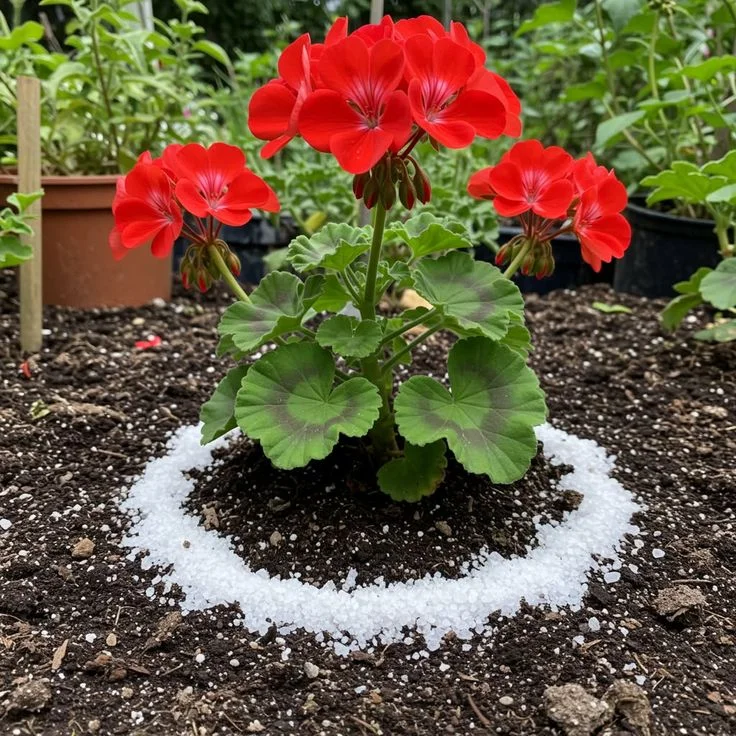
Geraniums have remained a favorite among gardeners for years because of their bright blooms, rich colors, and ability to flower for a long season with proper care. Whether they are placed in balcony containers, hanging baskets, patio pots, or garden borders, these flowers bring a lively and welcoming look to any space. Still, many gardeners notice that their geraniums begin to lose color, produce fewer blooms, or develop weak stems after some time. In most cases, the issue is linked to improper feeding rather than the plant itself. Learning how to fertilize geraniums correctly can make a remarkable difference in both growth and flowering performance.
Geraniums are relatively easy to maintain, but they still require balanced nutrition to stay healthy throughout the growing season. A plant that receives too little fertilizer may appear pale and weak, while overfeeding can lead to excessive leaf growth with very few flowers. Striking the right balance is what encourages strong roots, healthy foliage, and continuous blooms from spring through early fall.
Many experienced gardeners agree that healthy geraniums are usually the result of steady care and observation rather than expensive gardening products. A simple routine that includes sunlight, proper watering, and the correct feeding schedule often produces the best results. Once you understand how to fertilize geraniums, maintaining vibrant and long-lasting blooms becomes much easier, even for beginners.
This guide covers everything from choosing the best fertilizer for geraniums to understanding feeding schedules, organic options, and seasonal care. You will also find practical insights that can help you avoid common mistakes and support healthier plant growth naturally.
Understanding Geranium Nutrient Needs
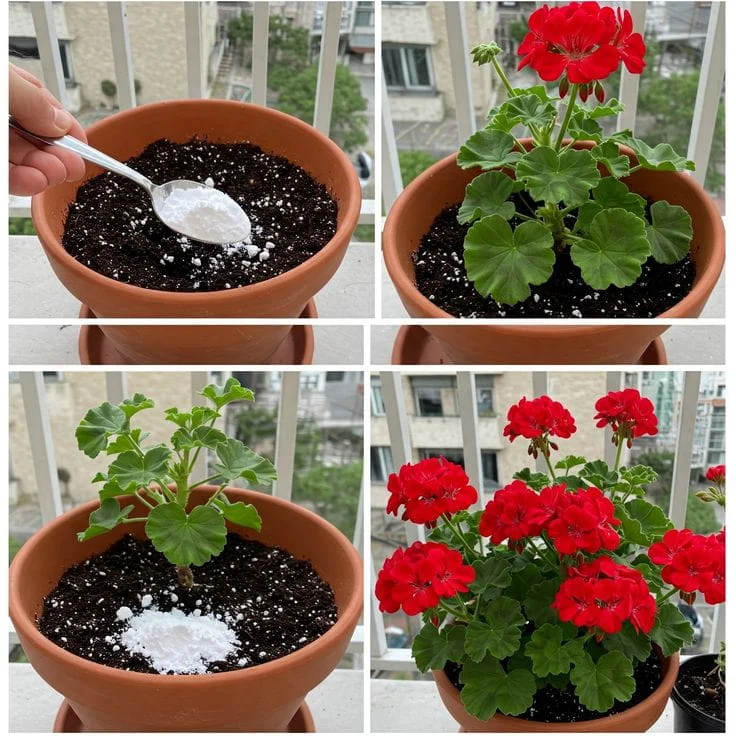
Before deciding how to fertilize geraniums, it is important to understand what nutrients these plants need most. Like many flowering plants, geraniums rely on a balanced combination of nitrogen, phosphorus, and potassium to grow properly. Each nutrient supports a different stage of plant development and plays a key role in keeping the plant healthy throughout the blooming season.
Nitrogen mainly supports leaf and stem growth. It helps the plant develop rich green foliage and strong stems that can support flowers properly. Phosphorus is essential for root development and flower production, making it especially important during blooming periods. Potassium helps strengthen the plant overall and improves resistance against stress, heat, and disease.
In addition to these primary nutrients, geraniums also benefit from secondary minerals such as magnesium and calcium. Magnesium supports healthy green leaves, while calcium contributes to stronger root systems and improved nutrient absorption. If leaves begin turning yellow despite regular watering and sunlight, the plant may be lacking important nutrients.
Soil condition also affects nutrient absorption. Geraniums prefer loose, well-draining soil that allows roots to breathe properly. Heavy or compacted soil can trap excess moisture and limit root health. Container plants usually require more attention because watering gradually washes nutrients out of the potting mix. This is one reason why fertilizing potted geraniums often needs a more regular schedule compared to garden-grown plants.
Understanding these basic nutrient needs helps gardeners make better feeding decisions instead of applying fertilizer randomly.
Best Fertilizer for Geraniums
Choosing the best fertilizer for geraniums depends on several factors, including where the plant is growing, the season, and the overall condition of the plant. Most geraniums respond well to balanced fertilizers such as 10-10-10 or 20-20-20 because they provide equal amounts of nitrogen, phosphorus, and potassium.
For gardeners who want heavier blooming, fertilizers with slightly higher phosphorus levels are often preferred. Formulas such as 15-30-15 can encourage stronger flower production while preventing excessive leafy growth. When learning how to fertilize geraniums, many experienced growers recommend using these bloom-supporting fertilizers during peak flowering months to maintain vibrant color and continuous blooms.
Water-soluble fertilizers are commonly used because nutrients are absorbed quickly through the roots. These products work especially well during active growth periods when geraniums need immediate nutritional support. A liquid fertilizer for flowering plants is often useful for container-grown geraniums because nutrients can be delivered directly during watering.
Natural gardening methods are also becoming increasingly popular. Many home gardeners now prefer using an organic fertilizer for geraniums because it improves soil health while providing slow and steady nutrition. Compost tea, fish emulsion, seaweed extract, and worm castings are commonly used organic options that support long-term plant health naturally.
Below is a simple comparison of common fertilizer types:
| Fertilizer Type | Benefits | Best Use |
|---|---|---|
| Liquid fertilizer | Fast nutrient absorption | Active blooming stage |
| Slow-release fertilizer | Long-term feeding | Outdoor garden beds |
| Organic compost | Improves soil naturally | Sustainable gardening |
| Balanced granular fertilizer | General growth support | Routine maintenance |
Many gardeners find that combining balanced feeding with proper sunlight and watering creates the healthiest results over time.
How Often to Feed Geraniums
One of the most common questions among gardeners is how often to feed geraniums. While geraniums are not considered heavy feeders, they still need regular nutrition during active growth to maintain healthy blooms and foliage.
During spring and summer, geraniums grow actively and produce flowers continuously. This is the period when feeding becomes most important. Many gardeners apply a balanced liquid fertilizer every two to four weeks throughout the growing season. If you are using a slow-release fertilizer for geraniums, feeding may only be necessary every two or three months depending on the product instructions.
Outdoor geraniums planted directly in the ground usually hold nutrients longer because garden soil naturally retains minerals more effectively. On the other hand, fertilizing potted geraniums often requires a more consistent schedule since frequent watering gradually removes nutrients from the soil.
As temperatures cool during late fall and winter, geranium growth naturally slows down. During this resting phase, frequent fertilization is usually unnecessary. When understanding how to fertilize geraniums, it is important to know that overfeeding during dormancy may place stress on the roots and reduce the plant’s ability to recover properly in the following season.
A simple seasonal feeding schedule can help maintain healthy growth:
- Spring: Begin feeding once new growth appears
- Summer: Feed every 2–4 weeks during active blooming
- Early Fall: Reduce feeding gradually
- Winter: Stop fertilizing or feed very lightly indoors
Gardeners who follow a steady feeding routine often notice stronger stems, healthier leaves, and more consistent flowering throughout the season.
How to Fertilize Geraniums Correctly
Understanding how to fertilize geraniums properly involves more than simply choosing a fertilizer product. The timing, application method, and amount used all influence how effectively the plant absorbs nutrients.
Before applying fertilizer, lightly water the soil. Dry roots can become sensitive when exposed directly to concentrated nutrients, increasing the risk of fertilizer burn. Most liquid fertilizers should be diluted according to package instructions because stronger mixtures rarely improve growth and may damage the plant instead.
Apply fertilizer near the base of the plant rather than directly onto leaves or flowers. Wet foliage combined with fertilizer residue may increase the chances of leaf burn or fungal problems, especially during warm weather. For potted plants, it is also important to allow excess water to drain fully after feeding.
Many experienced gardeners prefer fertilizing during the early morning or evening when temperatures are cooler. When learning how to fertilize geraniums, this timing is important because it allows nutrients to absorb gradually without placing stress on the plant during intense afternoon heat.
If you are using slow-release fertilizer for geraniums, gently mix the granules into the top layer of soil. These fertilizers slowly release nutrients over time, reducing the need for frequent applications and helping maintain consistent growth.
Another valuable part of geranium blooming season care is removing faded flowers regularly. Deadheading encourages the plant to direct energy toward producing fresh blooms instead of forming seeds. Combined with proper fertilization, this simple practice can noticeably improve flowering performance throughout the season.
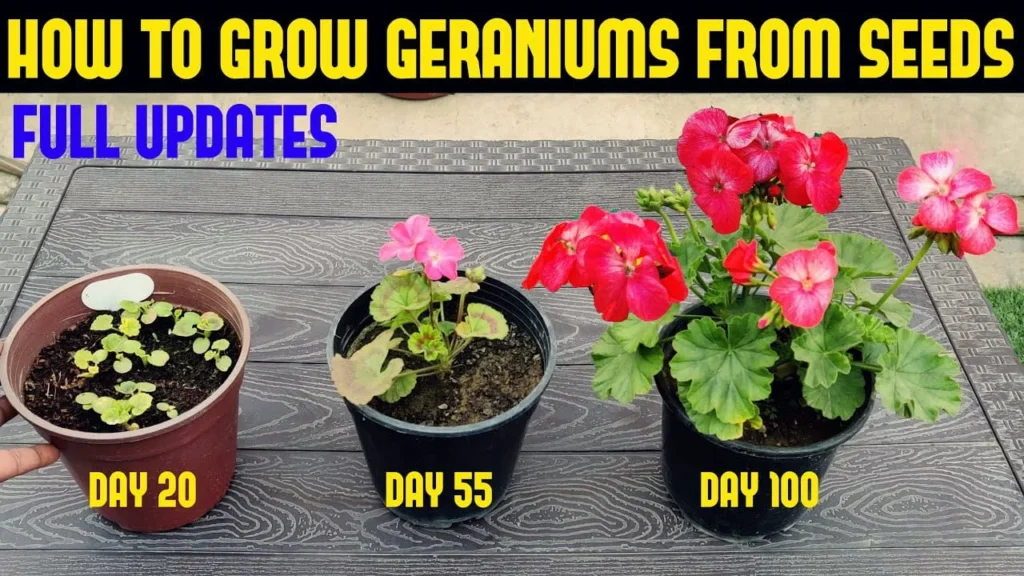
Organic Fertilizer for Geraniums
Many gardeners now prefer natural gardening methods because they support long-term soil health while reducing the use of synthetic chemicals. Using an organic fertilizer for geraniums can encourage steady growth and healthy blooms in a more natural and sustainable way.
Compost is one of the simplest and most effective organic feeding options. It slowly releases nutrients into the soil while improving moisture retention and soil texture. Well-aged compost also supports beneficial microorganisms that contribute to healthier root systems.
Fish emulsion is another popular organic fertilizer because it contains nitrogen and trace minerals that help strengthen foliage and overall plant health. When learning how to fertilize geraniums, many gardeners also use seaweed extract during periods of heat stress because it may help improve flower production and plant resilience.
Some gardeners also use banana peel compost because it naturally contains potassium, which supports blooming. Crushed eggshells are sometimes added to improve calcium levels and support stronger root growth.
Unlike synthetic fertilizers, organic feeding methods generally release nutrients more slowly. While results may not appear immediately, many gardeners appreciate the steady and balanced growth they provide. Organic products also reduce the risk of fertilizer burn when used correctly.
With consistent care, organic methods can gradually improve soil quality and encourage healthier, longer-lasting geranium blooms season after season.
Liquid vs Slow-Release Fertilizer
Both liquid and granular fertilizers can help support healthy geranium growth, but each option works differently. When understanding how to fertilize geraniums, learning the advantages of both methods can help gardeners choose the option that best suits their routine, plant needs, and growing conditions.
A liquid fertilizer for flowering plants delivers nutrients quickly because it is absorbed rapidly through the roots. This makes liquid feeding especially useful during peak blooming periods when geraniums need immediate nutritional support. Many gardeners notice visible improvement in flower production within days after applying liquid fertilizer.
In contrast, slow-release fertilizers gradually provide nutrients over an extended period whenever the soil is watered. This creates a more stable nutrient supply and reduces the chances of overfeeding. Many gardeners prefer using slow-release fertilizer for geraniums because it requires less frequent maintenance.
Here is a quick comparison:
| Feature | Liquid Fertilizer | Slow-Release Fertilizer |
|---|---|---|
| Speed | Fast acting | Gradual feeding |
| Frequency | Every 2–4 weeks | Every 2–3 months |
| Risk of overfeeding | Higher | Lower |
| Best for | Quick bloom support | Long-term nutrition |
Some experienced gardeners combine both methods. They use slow-release fertilizer for continuous feeding and supplement occasionally with liquid fertilizer during heavy blooming periods.
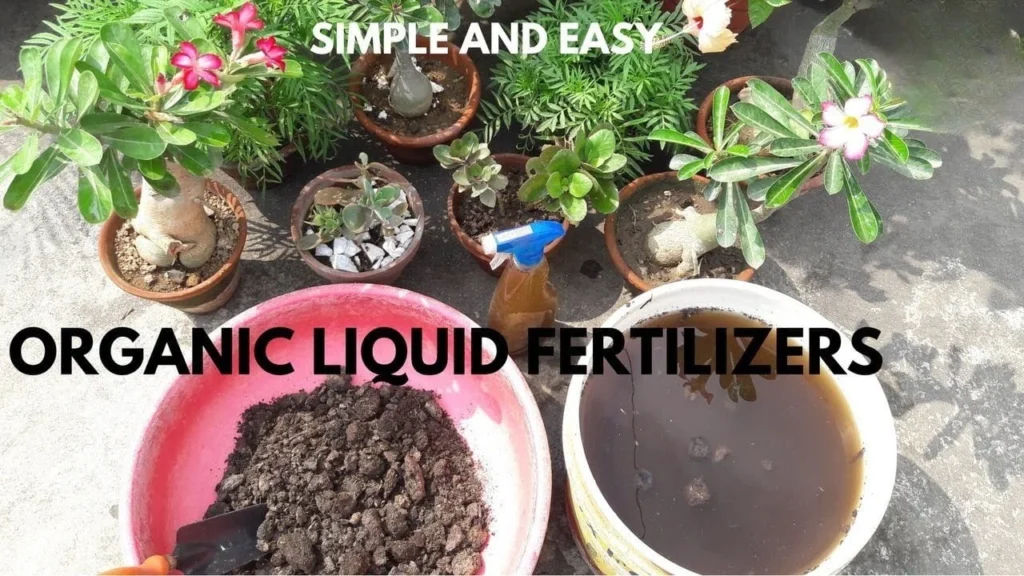
Geranium Plant Care Tips for Healthy Growth
Proper fertilization works best when combined with overall plant care. These simple geranium plant care tips can help maintain healthier foliage, stronger roots, and longer-lasting blooms throughout the season.
Geraniums grow best in locations that receive at least six hours of sunlight each day. In many home gardens, plants placed near sunny balconies or windows tend to bloom more consistently than those growing in shaded areas. Morning sunlight is especially beneficial because it helps dry excess moisture from leaves and reduces fungal problems.
Watering habits are equally important. Geraniums prefer slightly moist soil but dislike sitting in overly wet conditions. Overwatering is one of the most common causes of yellow leaves and root issues. Allowing the top layer of soil to dry slightly between watering usually helps maintain healthier roots.
Good airflow around the plant is another important factor. Crowded plants may trap humidity, which increases the risk of disease. Light pruning and removing damaged leaves can improve airflow while encouraging bushier growth.
To grow healthy geraniums, many gardeners also rotate container plants occasionally so all sides receive balanced sunlight exposure. Simple maintenance habits such as removing faded blooms and trimming leggy stems often make a noticeable difference in overall appearance and flowering performance.
When proper feeding is combined with these care practices, geraniums often remain colorful and productive for an extended blooming season.
Common Fertilizing Mistakes to Avoid
Even healthy plants can struggle if fertilizer is applied incorrectly. Understanding common mistakes can help gardeners avoid unnecessary stress and support better long-term growth.
One of the most common problems when learning how to fertilize geraniums is using too much nitrogen. Excess nitrogen encourages heavy leaf production but often reduces flower growth. Geraniums grown for blooms perform better with balanced nutrition rather than excessive foliage growth.
Applying fertilizer to completely dry soil is another frequent mistake. Concentrated nutrients may burn delicate roots and damage leaves. Watering lightly before feeding helps reduce this risk significantly.
Some gardeners also fertilize too often, believing that more nutrients will produce faster results. In reality, overfeeding can weaken roots and create nutrient imbalances that harm the plant over time. Following a consistent schedule is usually more effective than applying fertilizer randomly.
Poor-quality soil may also reduce fertilizer efficiency. Compacted soil limits airflow around roots and prevents proper nutrient absorption. Improving soil drainage often helps plants respond better to feeding.
Indoor geraniums are especially sensitive during winter dormancy. Since plant growth naturally slows during colder months, heavy feeding is usually unnecessary. Understanding how to fertilize geraniums also means knowing when the plant needs rest instead of extra nutrients.
Signs Your Geranium Needs Fertilizer
Geraniums often show visible signs when they are lacking nutrients. Recognizing these symptoms early allows gardeners to correct problems before plant health declines further.
Yellowing lower leaves may indicate nitrogen deficiency, while weak stems and fewer flowers can suggest low phosphorus levels. Brown leaf edges sometimes point toward potassium deficiency or inconsistent watering habits.
Plants that suddenly stop blooming despite receiving enough sunlight may benefit from adjusted feeding. Slow growth, pale foliage, and smaller flowers are also common signs that nutrient levels may be too low.
At the same time, it is important to remember that fertilizer is not always the only issue. When learning how to fertilize geraniums, gardeners should understand that overwatering, poor drainage, pests, and sudden temperature changes can also create symptoms that resemble nutrient deficiencies. Many experienced gardeners take time to evaluate overall plant conditions before increasing fertilizer applications.
Healthy geraniums usually show:
- Bright green foliage
- Thick and stable stems
- Continuous flowering
- Compact growth
- Strong root systems
Regular observation often makes it easier to identify small problems early and maintain healthy, blooming plants throughout the growing season.
FAQ About How to Fertilize Geraniums
What is the best fertilizer for geraniums?
Balanced fertilizers such as 10-10-10 or bloom boosters with higher phosphorus are commonly recommended for healthy flowers and strong roots.
How often should I fertilize geraniums?
Most gardeners feed geraniums every two to four weeks during spring and summer when the plant is actively growing.
Can I use organic fertilizer for geraniums?
Yes, compost, fish emulsion, worm castings, and seaweed extracts are excellent organic options for steady plant nutrition.
Should potted geraniums be fertilized more often?
Yes, fertilizing potted geraniums usually requires more frequent feeding because nutrients wash out faster during watering.
Is liquid fertilizer good for geraniums?
A liquid fertilizer for flowering plants works well for quick nutrient absorption and bloom support during active growing periods.
Why are my geraniums not blooming?
Lack of sunlight, overwatering, or excessive nitrogen fertilizer are common reasons for reduced flowering.
Can I fertilize geraniums in winter?
Most geraniums need little or no fertilizer during winter dormancy because growth slows naturally.
Conclusion
Learning how to fertilize geraniums properly can make a noticeable difference in the overall health, color, and blooming ability of your plants. With the right balance of nutrients, consistent watering, and proper sunlight, geraniums can continue producing bright and healthy flowers for months. Many gardeners discover that small changes in feeding habits often lead to fuller blooms and stronger growth over time.
Choosing the best fertilizer for geraniums does not always mean using the most expensive product. A balanced approach, combined with good soil and regular care, usually delivers the best results. Some gardeners prefer a liquid fertilizer for flowering plants for faster nutrient absorption, while others rely on a slow-release fertilizer for geraniums for long-term feeding support. Both methods can work well when used correctly.
If you enjoy natural gardening methods, using an organic fertilizer for geraniums can help improve soil quality while supporting steady and healthy growth. Along with proper geranium blooming season care, regular pruning, and smart watering habits, these simple practices can help you grow healthy geraniums with long-lasting flowers.
Understanding how often to feed geraniums is equally important, especially when fertilizing potted geraniums, since container plants lose nutrients more quickly than garden-grown varieties. Paying attention to the nutrients needed for geraniums helps prevent common problems like weak stems, pale leaves, and poor blooming.
At the end of the day, healthy geraniums are usually the result of patience, observation, and consistent care. With the right feeding routine and a little attention throughout the season, your geraniums can stay vibrant, colorful, and full of life year after year.