January House Decorations: How to Keep Your Home Beautiful After the Holidays
The holiday lights are packed away, the tree is down, and suddenly your living room feels oddly quiet. That post-Christmas emptiness is something most homeowners feel in early January — and it is completely normal. But bare walls and blank surfaces do not have to define the next two months.
January house decorations are genuinely worth your attention — and in many ways, this is the most freeing decorating moment of the whole year. There are no color rules to follow, no theme obligations, no expectations from guests. It is just your home, a clean slate, and an entire season of quiet winter beauty waiting to be worked with.
This guide walks through everything — color palettes, textures, room-by-room ideas, mantel styling, tablescapes, and budget tips — all built around helping you create a home that feels warm, intentional, and genuinely comfortable through the coldest weeks of the year.
Why January Deserves Its Own Decoration Style
Most people treat January as a decorating dead zone. The Christmas decor comes down, and nothing goes up until Valentine’s Day or spring. That gap is longer than it feels — and it is a real missed opportunity.
January has its own personality as a season. It is quieter, slower, and more inward-facing than December. The days are short, people spend more time at home, and there is a natural pull toward comfort and stillness. Your home can reflect that — and it should.
The concept of hygge, the Danish idea of coziness and everyday contentment, fits January perfectly. It is not about grand gestures or expensive styling. It is about how a room feels when you walk into it on a cold evening.
January house decorations are not about filling empty space. They are about building an atmosphere. The right combination of textures, tones, and natural materials can make a January evening feel like the most comfortable place you have been all week.
January Color Schemes That Actually Work
Color is where most people get genuinely stuck after the holidays. Red and green feel out of place, but soft pastels feel too early. The good news is that January has a strong color identity of its own — you just have to recognize it.
Cool Neutrals and Icy Blues
Picture a January morning. Pale sky, frost on the windowpane, bare branches catching early light. That visual translates beautifully into a home palette:
- Soft white and cream for walls, throws, and candle groupings
- Ice blue and slate gray for accent pillows, vases, and smaller decor pieces
- Warm greige (that useful gray-beige middle ground) for layered textiles
- Deep navy as a grounding anchor when the palette needs weight
These tones feel naturally seasonal without needing any explanation.
Earthy Warmth
If the cool palette feels too stark for your space or your personality, move in the opposite direction. Warm terracotta, rust, mustard yellow, and deep forest green create a grounded January palette that reads as cozy and settled — with no holiday associations at all.
Black and White with Natural Accents
Minimalist homes often look their best when styled with january house decorations in January. A clean black and white base, broken up by natural wood, dried botanicals, and stone or clay textures, creates something elegant and effortlessly seasonal. It is simple to achieve and surprisingly impactful.
Room-by-Room Guide to January House Decorations
Living Room: Cozy Layers Are Everything
The living room is where January house decorations tend to have the most visible impact. After the visual busyness of holiday decor, a calmer, more layered approach feels like a genuine relief — but calm does not have to mean empty.
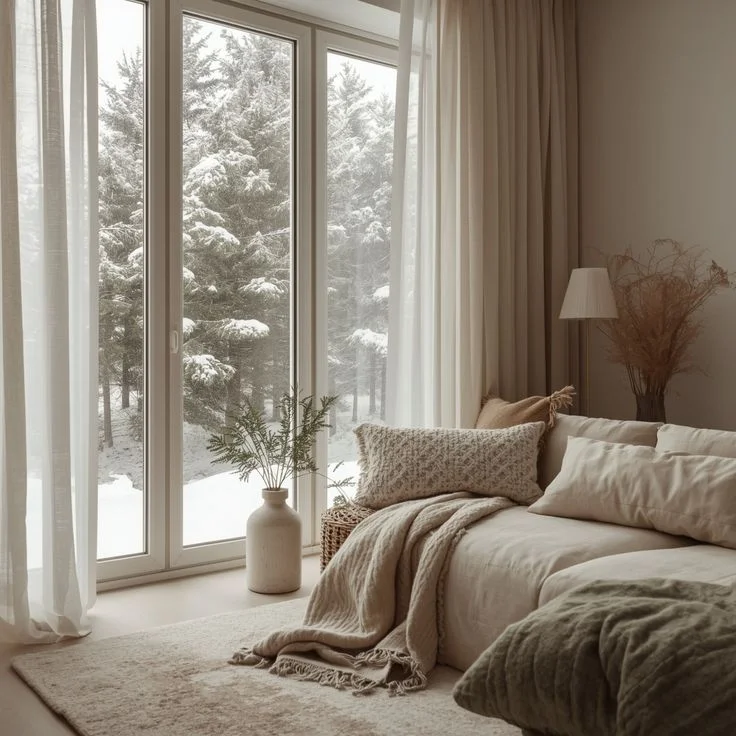
Start with textiles. This single step does more than anything else to shift a room’s atmosphere in January. Layer chunky knit throws over sofas and armchairs, bring in linen and velvet cushions in mixed winter tones, and add a thick area rug if the floor feels bare. The goal is what designers sometimes call tactile warmth — things that look warm before you even reach for them.
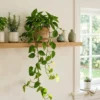
Bring in natural elements. Birch branches standing in a tall vase, a shallow bowl of pinecones on the coffee table, dried eucalyptus arranged in a simple ceramic pot. These pieces carry the season without any holiday association. They feel organic, quiet, and genuinely beautiful in a way that many purchased decor items do not.
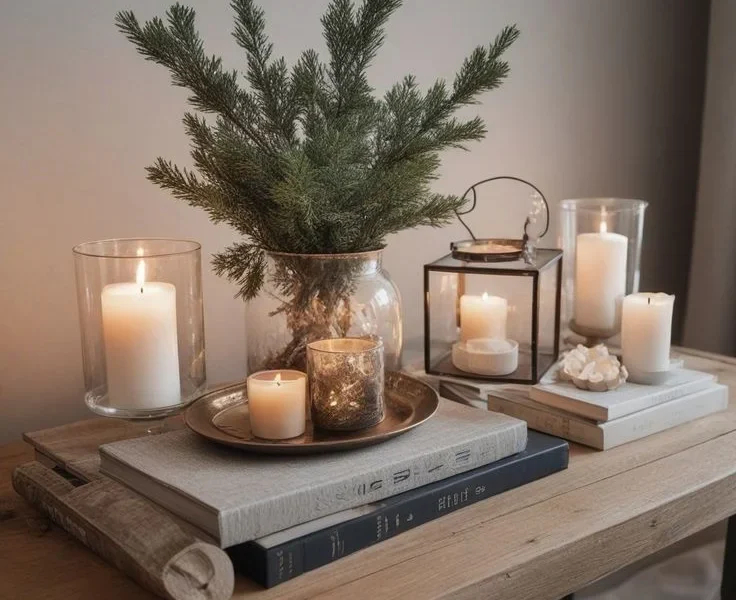
Candles earn their place in January more than any other month. Group pillar candles of different heights together on a tray, nestle tea lights inside glass holders, or invest in a few quality scented candles that anchor the room’s atmosphere. Scents like cedarwood, amber, sandalwood, and pine keep things grounded in the season without being overpowering.
| Element | What to Use | Why It Works |
|---|---|---|
| Throw blankets | Chunky knit, faux fur, wool | Adds warmth and texture instantly |
| Pillows | Velvet, linen, mixed winter tones | Creates a layered, settled feel |
| Botanicals | Birch stems, dried grasses | Organic, natural, season-appropriate |
| Candles | Pillar, taper, or scented | Adds light and a strong sense of atmosphere |
| Rugs | Thick wool or shag | Grounds the space and adds physical warmth |
Mantel: The January Focal Point
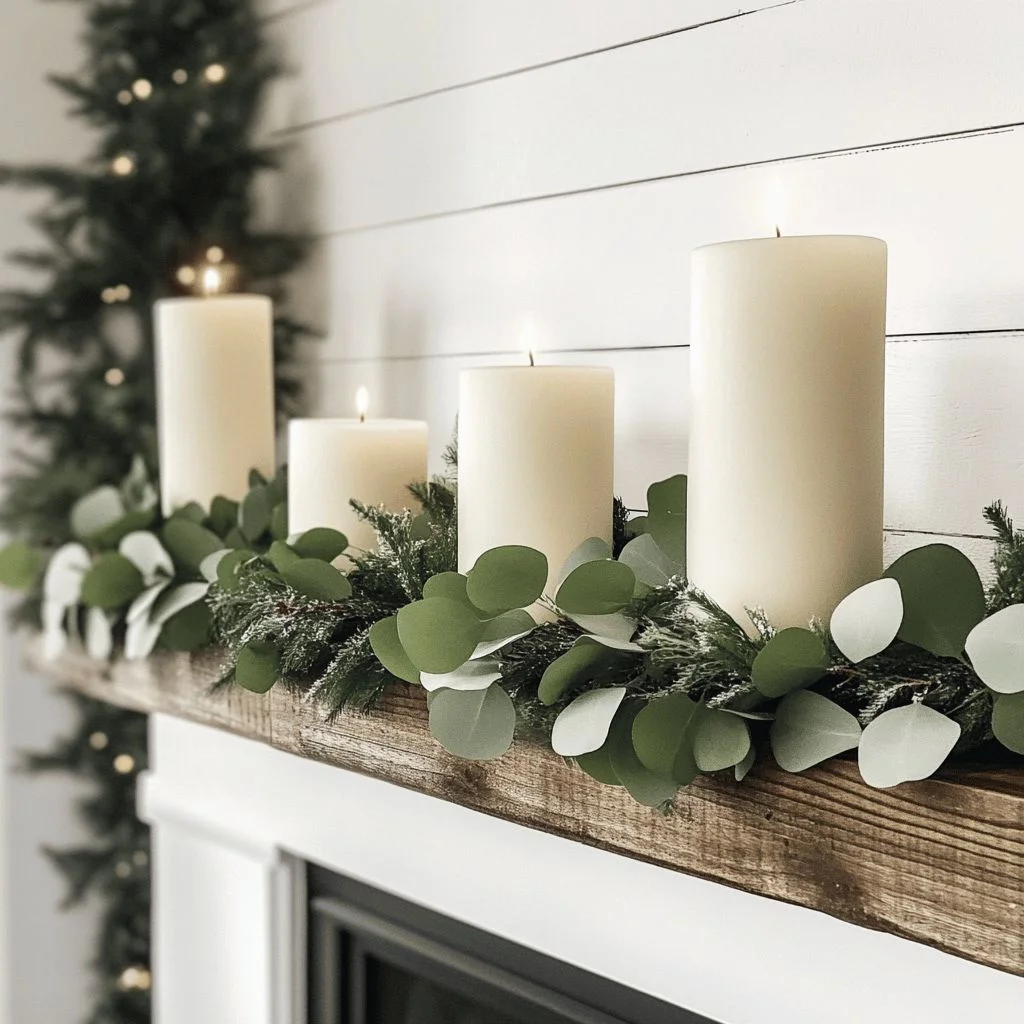
A holiday mantel is often the most decorated surface in the house. Once the garlands and stockings come down, january house decorations give you a chance to create something quieter — and often more beautiful.
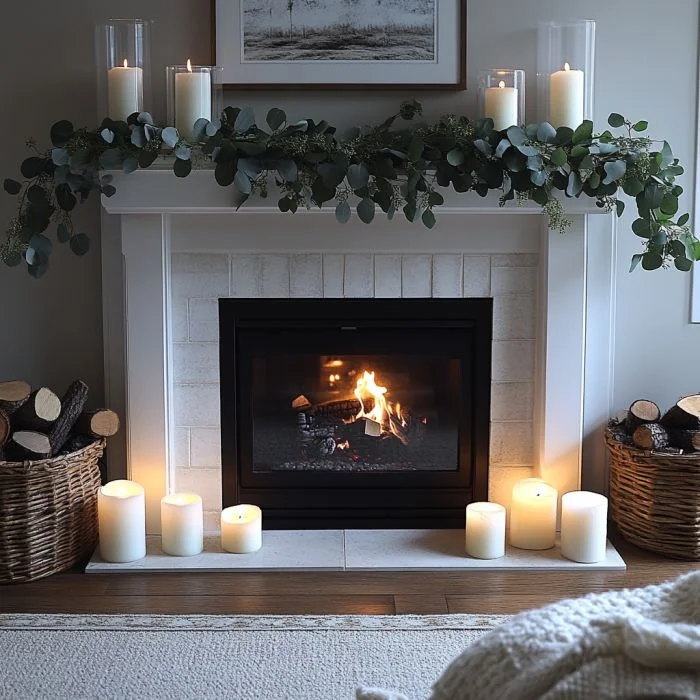
January mantel decorating ideas work best when they focus on balance, natural materials, and restraint. A simple layering approach that works consistently:
- Anchor with height — tall candlesticks, a framed mirror, or a substantial piece of art
- Add texture in the middle — a small potted plant, a ceramic vase, a smooth wooden object
- Ground it with low elements — small candles, a single book laid flat, a stone or crystal
For a more polished result, try a monochromatic mantel in all whites and creams — ceramic against linen against marble against dried flowers. Different materials, same tonal family. It photographs beautifully and feels considered without requiring much effort.
Greenery absolutely still belongs on a January mantel. The shift is simply from holiday garlands to something more understated — eucalyptus, olive branches, or preserved boxwood. These materials stay looking good for weeks and add a subtle, pleasant scent to the room.
Dining Table: Winter Tablescapes Worth Recreating
The dining table is easy to overlook in January decorating, but it is one of the most accessible places to create real visual impact without spending much time or money.
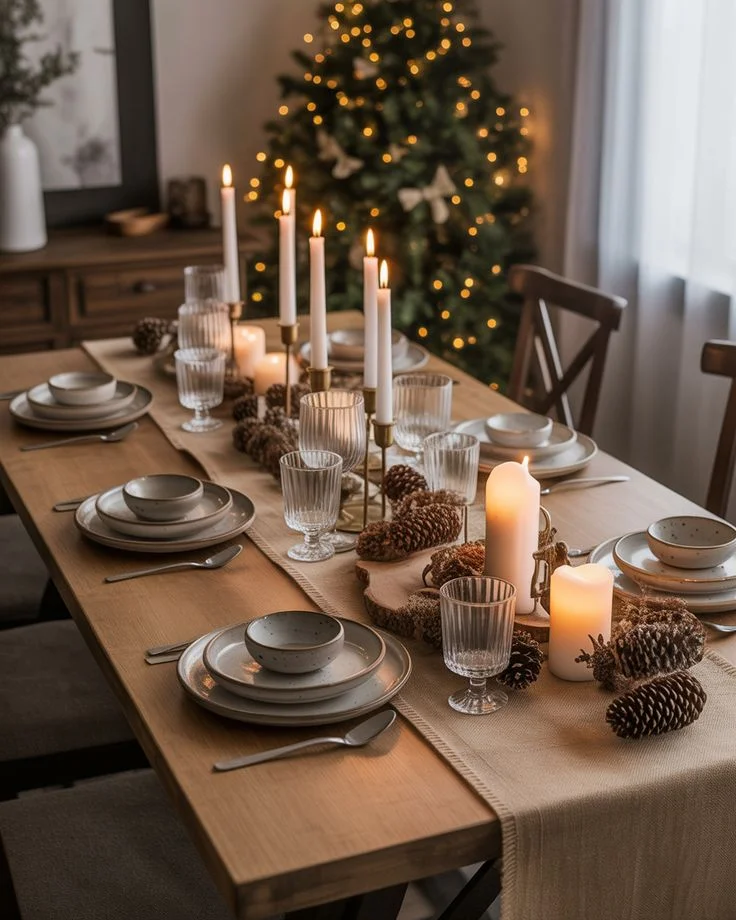
Indoor winter tablescape ideas tend to work best when they draw on what is naturally in season:
- A linen or cotton runner in white, cream, or deep charcoal as the foundation
- A centerpiece built from mixed candles at different heights, surrounded by pinecones or dried citrus slices
- Natural fiber placemats paired with simple ceramic or stoneware dishes
- A single bud vase with one dried stem at each place setting — small, but it makes a noticeable difference
For something more dramatic, try a dark and moody approach: deep navy or black linen, brass candlesticks, dark ceramic plates, and a centerpiece of dark dried botanicals. It is unexpected for winter and genuinely striking when done with a light hand.
The transition from holiday to winter decor is actually where tablescapes shine most. Swapping festive centerpieces for calm, natural arrangements takes under twenty minutes and completely shifts the mood of the room.
Bedroom: The Cozy Sanctuary
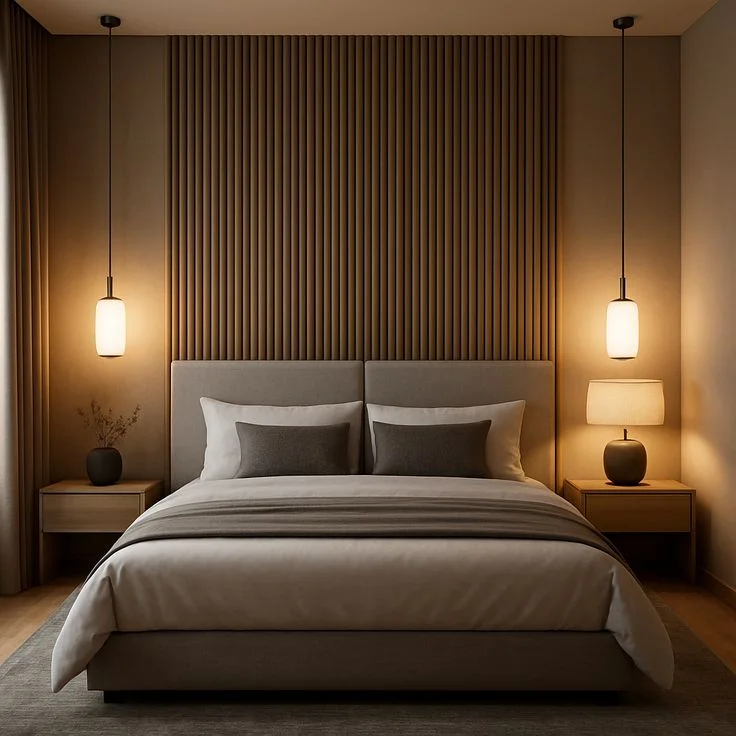
January house decorations in the bedroom come down to one priority: warmth. Not just the physical kind — though that matters — but the feeling of being properly wrapped in comfort during the darkest, coldest stretch of the year.
Bedding layers are your main tool here. Add a weighted blanket, layer a duvet with a knit throw folded at the foot of the bed, and bring in extra pillows in winter-appropriate textures. Flannel sheets, brushed cotton, or sateen in deep, warm tones all do the job well. The key is layering — visually and physically.
Bedside atmosphere is worth thinking about. A small lamp with a warm-toned bulb, a scented or flameless candle, and a simple tray holding a book and a mug make a bedside table feel intentional rather than functional. Small details, but they add up.
For the walls, a simple wreath made of dried botanicals or cotton stems hung above the headboard adds a seasonal note without reading as holiday decor at all.
Entryway: First Impressions in Winter
The entryway is the first thing you and your guests experience. In January, it should feel welcoming and settled — not like it is waiting for the next holiday season to begin.
A few practical but well-considered January house decorations for the entryway:
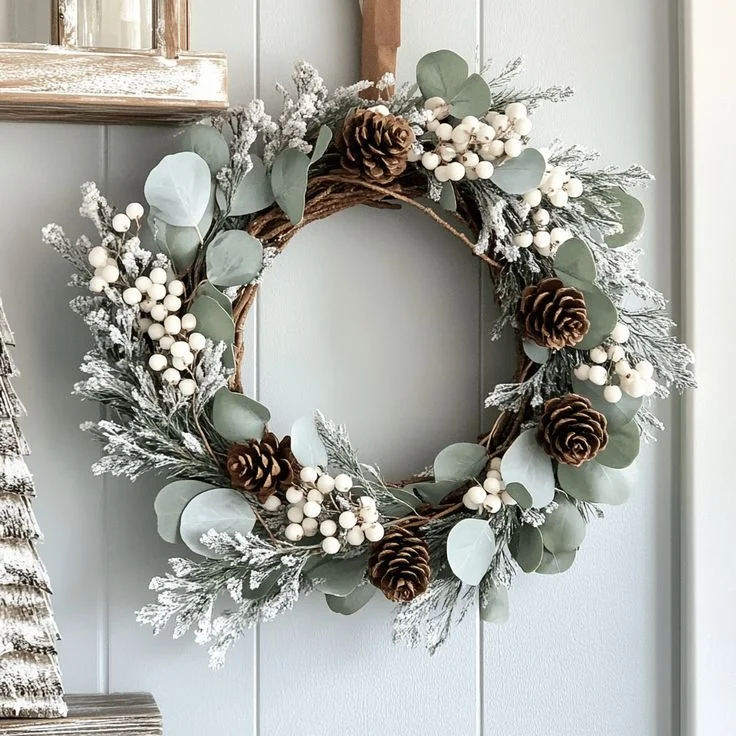
- A simple wreath on the door — eucalyptus, magnolia leaves, or dried florals work well and last for weeks
- A woven basket near the door for scarves, hats, and gloves — practical and naturally textural
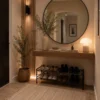
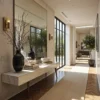
- A small console table with a candle, a ceramic bowl for keys, and one natural element to anchor the space
- A runner rug in a warm neutral — jute, wool, or cotton — to add warmth underfoot
If you have a coat rack or hooks near the entry, style them with intention. A folded throw, a neutral-toned coat, and a simple woven bag create what might be called a “styled everyday” look — curated without appearing forced.
Transitioning from Holiday to Winter Decor: The Smart Way
The most common question people have about january house decorations is how to move from Christmas decor to winter decor without the house feeling bare or requiring a complete restart.
The answer is simpler than most people expect: edit, do not empty.
Step 1: Remove only what is explicitly holiday-specific. Christmas ornaments, Santa figurines, holiday-patterned textiles, anything festive. Leave everything that is simply wintry — pinecones, evergreen stems, white candles, neutral throws. Most of it still belongs.
Step 2: Add natural winter elements. Birch branches, dried grasses, white amaryllis in simple pots, cotton stem arrangements. These carry the winter season forward without any connection to the holidays just passed.
Step 3: Shift the color story. Ease out the red and green. Bring in deeper winter tones — navy, slate, rust, or a clean white-and-cream palette. The shift does not need to be dramatic to be effective.
Step 4: Emphasize texture over color. In January, texture is what makes a room feel full and alive. Fur, knit, velvet, wood, stone — layer these materials throughout the space and the room will feel complete even when the color palette is quiet.
This approach means you are working with what you already have, not starting over.
Minimalist Winter Home Styling for January
Not everyone wants a fully layered house in January. For many people — especially those who spent weeks managing elaborate holiday decor — something quieter and more restrained feels exactly right.
Minimalist winter home styling is built on intentional simplicity. A few well-chosen objects, honest materials, and deliberate breathing room between pieces.
Some principles worth following:
- One statement piece per room — a large ceramic vase, an oversized candle, a single sculptural dried branch in a simple vessel
- Natural materials as the foundation — wood, linen, stone, and clay in their most honest forms
- A neutral base with a single accent tone — deep green, rust, or navy to give the palette some depth
- Clear surfaces — every tabletop and shelf should have visual room to breathe
- Quality over quantity — one well-made throw looks better than three inexpensive ones stacked together
This approach tends to photograph well, feel more intentional, and require significantly less maintenance across the month.
Winter Seasonal Home Accents Worth Investing In
If you want to build a january house decorations collection that serves you well across multiple years, these are the pieces that earn their place:
Permanent winter staples:
- A set of quality pillar candles and candlesticks in varying heights.
- Birch log sets — real or high-quality faux — for fireplace staging.
- Chunky knit throws in warm neutral tones.
- Ceramic vases in white, cream, or dark clay.
- Natural fiber placemats and a simple table runner.
- Faux fur accent pillows.
- A small collection of botanical prints for seasonal gallery wall rotations.
Seasonal add-ons to refresh each year:
- Fresh eucalyptus or dried botanical bunches.
- White amaryllis bulbs planted in simple ceramic pots.
- Dried citrus garlands.
- One or two seasonal scented candles with a winter-appropriate fragrance profile.
Budget-Friendly January House Decoration Ideas
Creating a beautiful January home does not require spending anything significant. Some of the most effective January house decorations are free or nearly free:
- Rearrange the furniture. A different layout changes a room’s energy more than almost any purchased item. It costs nothing and the effect is immediate.
- Use what is in the kitchen. A bowl of winter citrus — oranges, lemons, grapefruits — makes a genuinely beautiful centerpiece that also smells wonderful.
- Print and frame seasonal art. Simple botanical illustrations, winter landscape photography, or minimal line drawings are widely available for free download. A new frame from a discount store does the rest.
- Forage from outside. Bare branches, pinecones, and evergreen stems found in your yard or neighborhood are free and often look more natural than anything sold in a shop.
- Change the lightbulbs. Switching to warm-toned bulbs throughout the main living areas creates an instant atmosphere shift that costs almost nothing and makes a more noticeable difference than most people expect.
The underlying principle for January is straightforward: atmosphere matters more than decoration. Warm light, layered textiles, and a few candles do more for a space than any number of purchased accent pieces.
FAQ: January House Decorations
Q: When should I put up January decorations?
Most people make the transition between January 1st and January 7th. There is no rule — whenever you feel ready to move on from the holiday aesthetic is the right time for your household.
Q: What colors work best for January home decor?
Cool neutrals like white, cream, and ice blue feel naturally seasonal, as do earthier tones like rust, terracotta, and deep forest green. The guiding principle is to choose colors that feel winter-appropriate without carrying any holiday association.
Q: How do I decorate for January without buying anything new?
Edit your holiday decor down to its neutral, wintry pieces, rearrange what you already have, pull candles and textiles from other rooms, and use natural materials from outdoors. Most homes already have more than enough to work with.
Q: What is the difference between holiday decor and winter decor?
Holiday decor is tied to specific occasions — Christmas, Hanukkah, New Year’s. Winter decor draws from the season itself: nature, texture, quiet tones, and the atmosphere of cold months. One is theme-based; the other is season-based.
Q: How long should January decorations stay up?
Winter decor transitions naturally toward February and can carry through Valentine’s Day without any adjustment. A gradual shift toward lighter, softer tones in late February leads comfortably into spring.
Q: What are the easiest January decoration changes to make?
Swapping throw pillows, adding candles, bringing in dried or fresh botanical elements, and layering extra textiles are the four fastest ways to shift a room’s atmosphere for January. Any one of them makes a visible difference.
Q: Is minimalist decor better for January?
It depends entirely on personal preference and living style. Minimalist approaches tend to feel especially fitting in January because they offer a calm contrast to the visual intensity of the holidays. But layered, textural styling works equally well — it simply takes a different kind of intention.
Conclusion
January house decorations prove that January is not a gap between decorating seasons. It is a season of its own — and once you start treating it that way, the whole month feels different.
The homes that look and feel best in January are not the ones with the most decoration. They are the ones where someone made a few thoughtful choices. A layered throw. A cluster of candles. A vase of dried branches on the mantel. Simple things, placed with care.
January house decorations do not need to be elaborate to be effective. They need to respond to what January actually is — quiet, cold, slow, and worth settling into. When your home reflects that, it stops feeling like a waiting room between holidays and starts feeling like a place you genuinely want to be.
The investment of even a single afternoon spent restyling a few rooms carries you through weeks of cold weather with a home that feels considered, comfortable, and entirely your own. That is what good January decorating actually achieves — and it is well within reach for any home and any budget.