The Secret to a Beautiful Window Box Nobody Talks About
Most people kill their window boxes not from neglect — but from choosing the wrong plants in the first place.
Picture this: you pick something beautiful at the garden center, bring it home with the best intentions, set it in a south-facing window box that bakes in afternoon sun, miss two days of watering during a hectic week, and come back to a crispy, shriveled mess. If that sounds familiar, you’re not alone. It happens to careful gardeners all the time.
Here’s what experienced gardeners figured out long ago: the real foundation of a thriving window box isn’t a fancy soil mix or a drip irrigation system. It’s plant selection. Specifically, choosing drought tolerant window box plants that are genuinely built for heat, sun, and the occasional forgotten watering.
Window boxes are notoriously unforgiving environments. They hold small volumes of soil, dry out fast, and often sit in direct sun for six or more hours daily. Most tender annuals simply aren’t equipped for those conditions. But a well-chosen collection of drought tolerant window box plants? That’s a window box that looks incredible from June through September with minimal effort on your part.
This guide covers everything — from the best individual plants to practical growing tips, container setup strategies, and how to combine plants for a visually rich display that practically takes care of itself.
Why Window Boxes Dry Out So Fast (And What That Means for Plant Choice)
Before picking plants, it helps to understand the environment you’re actually working with.
A standard window box holds roughly 10–20 liters of growing medium depending on its size. Compare that to a raised bed or garden border where roots can spread freely and access deep soil moisture. In a window box, there’s nowhere for roots to go. When that small volume of compost dries out, plants feel it immediately — and show it fast.
Heat makes the situation worse. A terracotta or metal window box sitting on a south-facing wall absorbs radiant heat from both the sun above and the wall behind it. Soil temperatures inside a sun-exposed container can exceed 40°C (104°F) on a hot summer day — conditions that stress most common bedding plants well beyond their limits.
Add wind exposure — especially for window boxes on upper floors — and you have a genuinely demanding growing environment that most plants simply weren’t designed for.
This is precisely why drought tolerant window box plants aren’t just a nice idea. They’re the practical, smart choice. Plants adapted to dry conditions have developed specific survival mechanisms: deep or wide root systems, thick waxy leaves that reduce water loss, fine hairs that deflect intense sunlight, or the ability to go semi-dormant during heat stress and recover fully once watered.
Choosing plants with these traits means your window box survives missed waterings, summer heatwaves, and holiday absences without turning into a disaster.
The Best Drought Tolerant Window Box Plants for Every Style
1. Lavender (Lavandula)
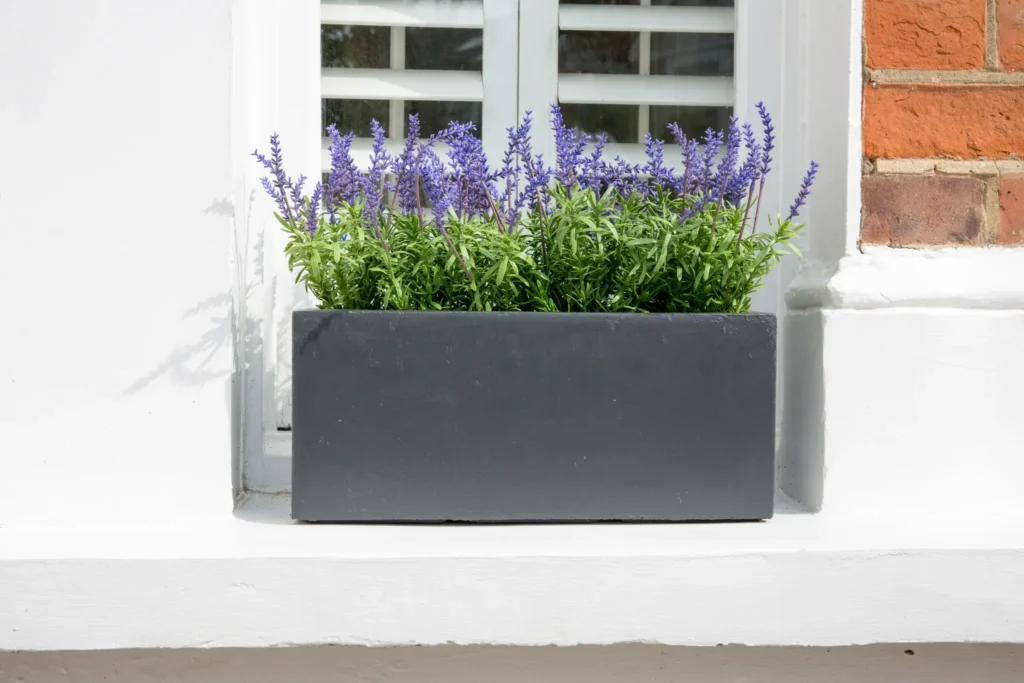
Lavender is arguably the gold standard of drought tolerant window box plants. Native to the dry, sun-baked hillsides of the Mediterranean, it evolved for exactly the conditions most window boxes recreate — poor-to-average soil, intense sun, and infrequent rainfall. It doesn’t just survive these conditions; it genuinely thrives in them.
Compact varieties like Lavandula angustifolia ‘Hidcote’ or ‘Munstead’ work particularly well in containers because they stay tidy without outgrowing the space quickly. They produce their iconic purple flower spikes from early summer onward, attract pollinators consistently, and fill the surrounding air with a fragrance that most people find deeply pleasant. As a bonus, lavender is deer and rabbit resistant — a practical advantage if your window boxes sit at ground level.
Growing tip: Lavender actually hates wet roots more than drought. Use a gritty, free-draining compost and resist the urge to overwater. Once established, water only when the top two inches of soil are completely dry to the touch.
2. Portulaca (Portulaca grandiflora)
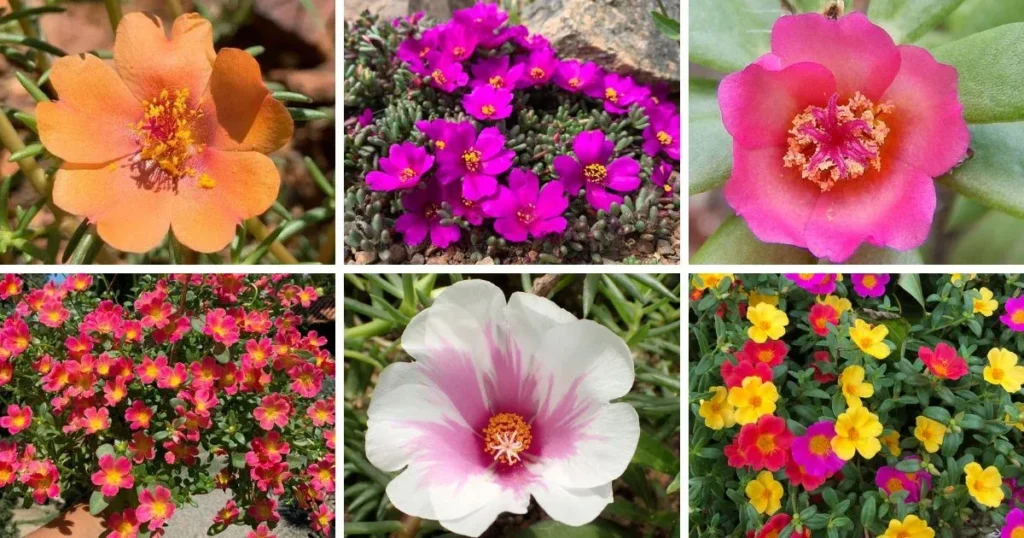
Also called moss rose or sun plant, portulaca is one of the most underused drought tolerant window box plants available to home gardeners. Its jewel-bright flowers — appearing in shades of magenta, orange, yellow, coral, and white — open fully in sunlight and close at night, giving the plant a fresh, self-renewing quality throughout each day.
The succulent stems and leaves store water internally, making portulaca genuinely forgiving when waterings are missed. It also self-trails slightly over container edges, adding a softness to the overall display that more upright plants can’t provide.
This annual thrives in poor soil and full sun. Rich, moist compost actually works against it — too much nitrogen pushes leafy growth at the expense of the flowers you’re actually growing it for.
3. Sedum (Sedum spp.)
Sedums are true succulents and among the most reliable drought tolerant window box plants for both summer performance and long-term container growing. Low-growing varieties like Sedum spurium, Sedum album, and Sedum acre form dense, spreading mats of fleshy leaves that shift color with the seasons — fresh green in spring, then deepening to bronze and red tones by autumn.
They’re genuinely close to impossible to kill through underwatering, which makes them an ideal choice for window boxes in exposed, sunny positions where other plants struggle. Pair trailing sedums with upright lavender or ornamental grasses to create useful visual contrast in the box.
Water wise note: Sedums need watering roughly once every 10–14 days in summer, and considerably less in cooler months. For anyone building a collection of low maintenance outdoor planter plants, sedum deserves a central place in the plan.
4. Thyme (Thymus spp.)
Thyme serves real double duty in a window box — it’s both ornamentally attractive and fully edible. As a heat tolerant planter box herb, it’s one of the most practical choices available for a mixed window box that blends decorative appeal with everyday usefulness.
Common thyme (Thymus vulgaris) and creeping thyme (Thymus serpyllum) both perform well in containers. Creeping varieties trail softly over the edges of window boxes throughout the season, producing tiny pink or white flowers in summer that bees visit consistently.
Like lavender, thyme is native to Mediterranean environments and adapted to thin, dry soils and sustained sun exposure. It requires excellent drainage and minimal fertilizing. Overfeed it and the flavor weakens while the plant becomes leggy and less attractive.
5. Gazania
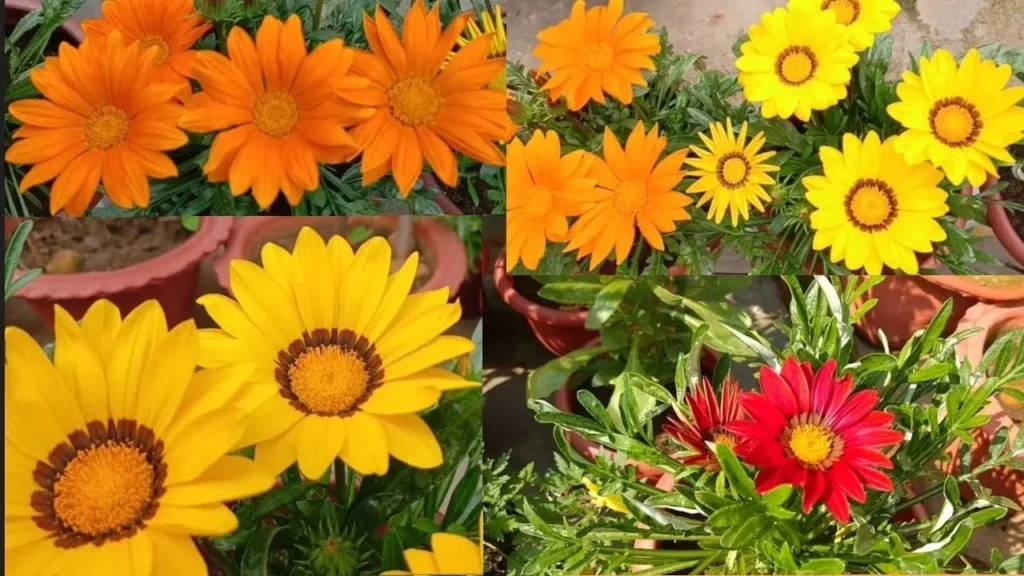
Gazania is a South African daisy that evolved to survive genuine drought in its native habitat. The large, daisy-like flowers appear in vivid shades of orange, yellow, red, and multicolor combinations. They close at night and open fresh each morning, making them some of the best window box plants for hot sunny spots where other plants struggle to flower consistently.
Unlike many drought tolerant varieties, gazanias offer real floral drama. The flowers are large, bold, and eye-catching from a distance — which makes them particularly well-suited to street-facing window boxes where visual impact is part of the point.
They bloom prolifically from early summer through to the first frost and require very little water once properly established. Deadhead regularly to keep flowering continuous throughout the season.
6. Agastache (Agastache spp.)
Agastache — sometimes called hyssop or hummingbird mint — is a seriously underrated choice among drought tolerant window box plants. It produces tall, elegant spikes of tubular flowers in shades of purple, coral orange, and pink that attract both hummingbirds and bees reliably. The foliage also releases a pleasant anise-like fragrance when brushed or touched, which adds another layer of sensory interest.
Varieties like Agastache ‘Blue Fortune’ and Agastache ‘Kudos Coral’ stay compact enough for window boxes while delivering months of continuous color. They handle heat, lean soil, and extended dry spells more gracefully than most traditional bedding plants sold for this purpose.
7. Echeveria and Sempervivum (Hen and Chicks)
For a more modern, architectural aesthetic, echeveria and sempervivum rosettes make striking drought tolerant window box plants, particularly in contemporary or minimalist outdoor settings. They require almost no intervention once established and can go weeks without water during cool weather without any visible signs of stress.
Sempervivum is fully hardy and will survive winter outdoors in most temperate climates, which makes it a semi-permanent window box option rather than a plant you replace each season. Echeveria is less cold-tolerant but performs brilliantly as a summer display plant, especially in terracotta window boxes where the warm earthy tones complement the silvery-green foliage beautifully.
8. Trailing Verbena (Verbena spp.)
Verbena has become a staple of drought resistant container gardening — and it earned that reputation through consistent performance. Modern trailing verbena varieties, sold under names like Superbena or the Empress series, are disease-resistant, genuinely heat-tolerant, and capable of producing dense clusters of flowers all summer with surprisingly little water.
They trail generously over window box edges, extending 30–50cm in a single season, and come in colors ranging from deep purple to bright red and clean soft white. Pair them with upright plants like agastache or ornamental grasses for a full, layered display that looks intentional rather than accidental.
9. Osteospermum (African Daisy)
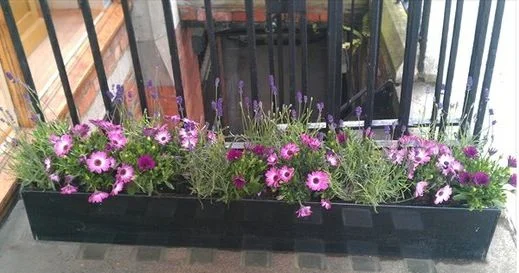
Osteospermum is another South African native that handles heat and dry conditions reliably well. The distinctive spoon-shaped petals and contrasting centers give them a visual identity that sets them apart from generic bedding plant displays.
Modern varieties are notably more heat-tolerant than older types and bloom from spring through autumn in suitable conditions. They’re excellent window box plants for hot sunny spots on south or west-facing walls where the afternoon sun would overwhelm less adapted species.
Practical tip: If plants start to look leggy by midsummer, cut them back by about a third. They recover within a few weeks with fresh compact growth and renewed flowering.
10. Dusty Miller (Senecio cineraria)
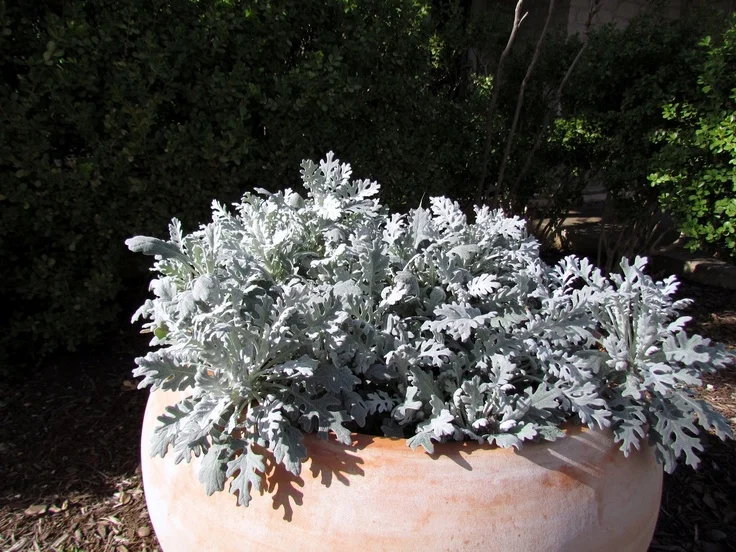
When you want textural contrast and a soft silvery accent in a planting scheme, dusty miller is one of the best drought tolerant window box plants for that supporting role. The soft, felted silver-grey leaves reflect sunlight rather than absorbing it — and that physical adaptation is precisely what makes it so drought tolerant in practice.
It rarely needs watering once established and combines well with almost any flowering plant — lavender, gazania, portulaca, or verbena all work naturally alongside it. Use dusty miller as a filler between bolder plants to create visual cohesion throughout the box.
How to Build a High-Performance Drought Tolerant Window Box
Choosing the right plants is only part of the equation. How you set up the container from the start makes a significant difference in how those plants perform.
Soil Mix
Standard multipurpose compost holds too much moisture and can become waterlogged in a container without adequate drainage. For drought tolerant window box plants, the most reliable mix is:
- 60% multipurpose or peat-free compost
- 30% horticultural grit or perlite
- 10% coarse sand
This blend creates an open, free-draining growing medium that dries evenly and prevents root rot — which remains the primary killer of Mediterranean and succulent plants in containers, more so than drought itself.
Drainage
Every window box needs functional drainage holes. If yours doesn’t have them, drill at least 4–6 holes across the base before planting anything. A layer of gravel or broken terracotta crocks placed at the base improves airflow around roots and prevents drainage holes from gradually clogging with fine compost particles.
Watering Strategy
Even the most resilient drought tolerant window box plants still need water — just not constantly or on a rigid daily schedule. The core principle is to water deeply and infrequently rather than applying small amounts every day.
Deep watering encourages roots to grow downward toward available moisture. Shallow daily watering keeps roots near the surface, where they’re most vulnerable to heat stress. In summer, water established drought-tolerant window boxes every 5–10 days depending on weather conditions — always checking the soil before watering rather than following a fixed timetable.
Feeding
Drought tolerant plants generally perform better in lean soil conditions. Over-fertilizing produces soft, water-hungry growth that loses its natural resilience to heat and dry spells. A slow-release granular fertilizer worked into the compost at planting time is usually all these plants need. High-nitrogen liquid feeds during summer are best avoided entirely.
Seasonal Planting Guide for Drought Tolerant Window Boxes
| Season | Best Plants | Notes |
|---|---|---|
| Spring | Sempervivum, thyme, violas | Cooler temperatures reduce watering needs significantly |
| Early Summer | Lavender, agastache, gazania | Establish before peak heat arrives |
| Midsummer | Portulaca, verbena, osteospermum | Peak heat performers |
| Autumn | Sedums, dusty miller, autumn herbs | Begin reducing watering frequency |
| Winter | Sempervivum, evergreen herbs | Hardy varieties only |
Xeriscape Principles Applied to Window Boxes
Xeriscaping — the design practice of minimizing water use in garden settings — translates surprisingly well to container growing once you understand the core principles. The xeriscape window planter ideas that translate most directly are:
- Plant grouping by water need: Avoid mixing thirsty plants like impatiens or fuchsia with drought tolerant ones. The most water-demanding plant in the box sets the watering schedule for everything else — and that harms drought tolerant plants over time.
- Mulching: A thin layer of fine gravel or decorative stone placed on the soil surface can reduce evaporation by up to 30% during hot weather — a meaningful difference in a small container.
- Right plant, right position: South and west-facing boxes need the most drought tolerant species available. East or north-facing positions receive less intense sun and allow slightly more water-sensitive plants to perform adequately.
- Container color and material: Light-colored or insulated window boxes stay significantly cooler than dark metal or unglazed terracotta, which directly reduces moisture loss from the soil.
Best Plant Combinations for Drought Tolerant Window Boxes
A well-composed window box follows the “thriller, filler, spiller” planting formula — one upright focal plant, one that fills the middle space, and one that trails over the edges.
Classic Mediterranean:
- Thriller: Lavender ‘Hidcote’
- Filler: Dusty miller
- Spiller: Trailing thyme
Bold Summer Color:
- Thriller: Agastache ‘Kudos Coral’
- Filler: Gazania
- Spiller: Trailing verbena
Succulent Modern:
- Thriller: Tall echeveria rosettes
- Filler: Sedum spurium
- Spiller: Sempervivum clusters
Herbal Window Box:
- Thriller: Upright rosemary
- Filler: Thyme varieties
- Spiller: Creeping oregano
Common Mistakes That Undermine Drought Tolerant Plants in Window Boxes
Even naturally resilient plants fail when the growing setup works against them. These are the mistakes worth avoiding:
- Using standard compost without a drainage amendment — leads to waterlogging even with drought tolerant species that would otherwise thrive.
- Overwatering out of caution — root rot is a more common killer than drought for these plants.
- Mixing drought tolerant and water-hungry plants in the same box — the watering schedule required by one type actively harms the other.
- Placing lavender or succulents in shaded positions — most drought tolerant plants depend on full sun to perform as expected.
- Feeding with high-nitrogen fertilizer — produces soft, sappy growth that cannot handle heat or water stress.
FAQ: Drought Tolerant Window Box Plants
Q: What is the most drought tolerant plant for a window box?
Portulaca and sedum are among the strongest options. Both store water directly in their plant tissue and can survive extended dry periods without lasting damage to the plant.
Q: How often should I water drought tolerant window box plants?
Every 7–10 days is generally sufficient during peak summer for established plants. Always check the soil condition first — if the top two inches feel dry, water deeply. If there’s still moisture present, wait a day or two longer.
Q: Can succulents survive in outdoor window boxes?
Yes, with appropriate conditions. Sempervivum is fully winter-hardy outdoors in most temperate climates. Echeveria performs well from late spring through early autumn but requires frost protection once temperatures drop.
Q: What compost should I use for drought tolerant window box plants?
A blend of multipurpose compost, perlite or horticultural grit, and coarse sand works best. This produces the free-draining, lean growing medium that most drought tolerant plants prefer and perform well in.
Q: Do drought tolerant plants still need fertilizer?
Minimal feeding is the better approach. A slow-release granular fertilizer at planting time is usually sufficient. Heavy liquid feeding during summer encourages soft growth that is less resilient to heat and dry conditions.
Q: Are herbs good drought tolerant window box plants?
Absolutely. Thyme, rosemary, oregano, and sage are all Mediterranean herbs that handle dry conditions very well and carry the added practical benefit of being edible and useful in the kitchen.
Q: What’s the best window box position for drought tolerant plants?
South or west-facing positions in full sun suit most drought tolerant species ideally. These positions are the most challenging for ordinary plants but represent the conditions where drought tolerant varieties perform at their strongest.
Conclusion
Building a window box that looks good all summer without constant attention isn’t about luck — it’s about making informed choices at the start.
When you select drought tolerant window box plants that are genuinely suited to heat, sun exposure, and occasional missed waterings, the entire experience of growing window boxes changes. Instead of anxiously checking soil every morning or watching plants decline during a warm week, you spend your time simply enjoying the display.
The plants covered in this guide — from lavender and portulaca to sedums, gazania, and trailing verbena — all share one important quality: they were shaped by dry, demanding environments, and they carry that resilience into your containers. Pair them with the right soil mix, proper drainage, and a sensible watering approach, and they will reward you with months of consistent color and texture.
Water wise balcony plants and low maintenance outdoor planter plants aren’t a compromise on beauty. In many cases, they outperform thirstier alternatives because they’re simply growing in conditions they were built for.
Start with one or two combinations from this guide, observe how the plants perform in your specific setting, and adjust from there. Good window box gardening is always part knowledge, part observation — and once you get the balance right, it becomes one of the most satisfying forms of gardening there is.