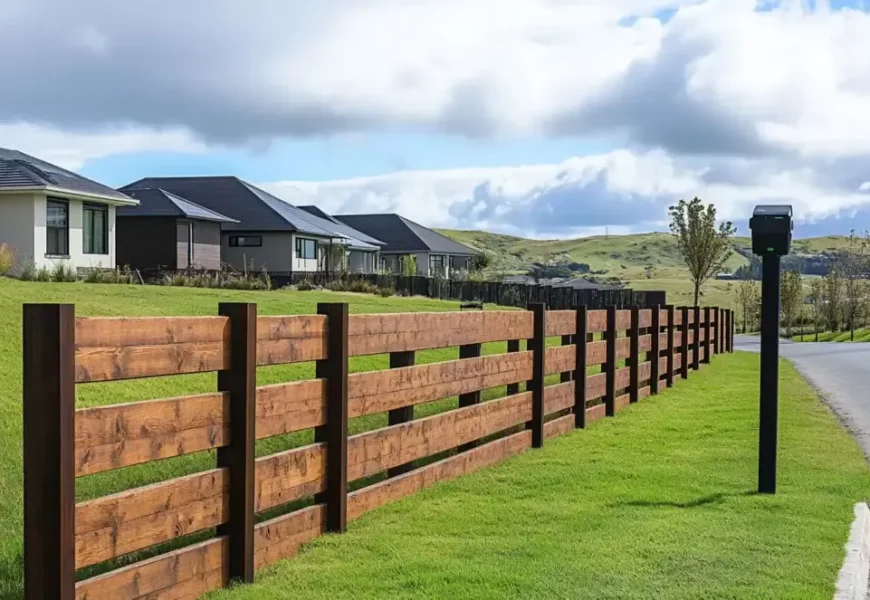
Traditional wood or vinyl fencing costs more than most people expect. A standard 6-foot privacy fence runs anywhere from $1,500 to $4,000 for an average-sized yard — and that’s before you add installation labor, permits, or post-hole digging. For homeowners, renters, and garden enthusiasts working with real budgets, that number is simply too high.
Here’s what most people don’t realize: there are genuinely good cheap fence alternatives that provide real privacy, clear yard definition, and even improve the look of your outdoor space. Whether you’re trying to block a neighbor’s line of sight, keep pets safely inside, or create a defined outdoor boundary, the options in this guide have been used in actual backyards with solid results.
This article walks through material choices, DIY-friendly builds, renter-safe solutions, and natural living options. By the time you finish reading, you’ll have a clear picture of which approach fits your specific yard, budget, and goals.
Why People Are Moving Away From Traditional Fencing
Traditional fencing has real limitations beyond the price. Wood rots over time. Vinyl cracks under UV exposure. Chain-link fences look industrial and provide no privacy at all. Metal fencing almost always requires professional installation.
Then there’s the labor cost. Most fence contractors charge $25–$50 per linear foot for installation alone. On a 150-foot perimeter, you’re looking at a minimum of $3,750 — and that’s a conservative estimate.
Cheap fence alternatives address this problem directly by being:
- Much less expensive per linear foot.
- Installable by most homeowners without special tools.
- Flexible and removable, which matters a great deal for renters.
- Faster to set up — often completable in a single weekend.
- Just as effective at creating privacy and defining boundaries.
This shift is visible across the country. Homeowners and landscape designers are choosing creative boundary solutions over standard fencing at a growing rate, and many find the results more satisfying than a traditional fence ever was.
The 10 Best Cheap Fence Alternatives for Any Yard
1. Bamboo Panels and Rolls
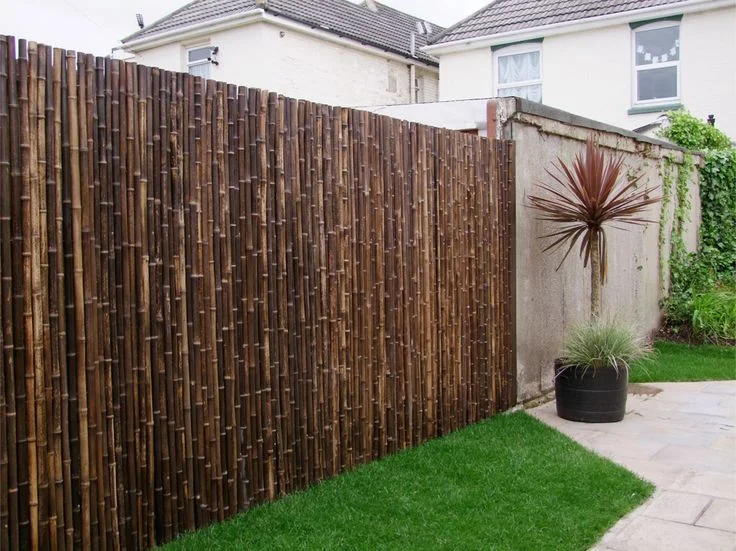
Bamboo sits at the top of nearly every list of cheap fence alternatives — and the reasons are straightforward. It grows fast, it’s sustainable, and it costs far less than wood. Bamboo fence rolls typically run between $1.50 and $3.00 per linear foot, while wood privacy fencing averages $15–$30 per linear foot.
You can attach bamboo rolls to existing fence posts, zip-tie them directly to chain-link fencing, or build simple standalone panels with minimal framing. They’re practical along fence lines, around patios, and as garden screens where you want something that looks natural without spending much.
A few things worth knowing before you buy:
- Treat bamboo with a weather sealant every one to two years to extend its life.
- Works reliably in moderate climates but may split in areas with harsh freeze-thaw cycles.
- Comes in natural, brown, and bleached finishes to match different settings.
For homeowners who want a natural aesthetic on a limited budget, bamboo rolls are often the first suggestion landscape professionals reach for.
2. Pallet Fencing
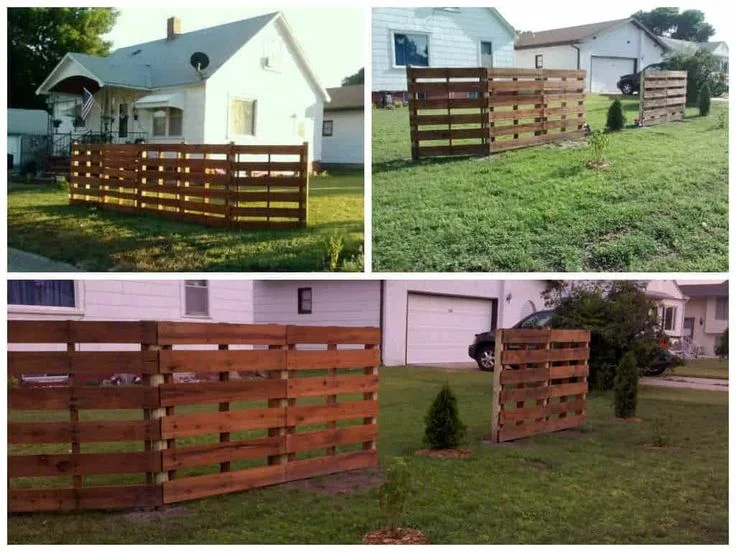
Wooden pallets are among the most practical cheap fence alternatives available — partly because they’re often free. Hardware stores, garden centers, and warehouses give away shipping pallets regularly. A few hours, some basic tools, and a can of exterior paint or stain are all you really need.
Building a pallet fence around a 100-foot yard can cost as little as $50–$150 in total materials (hardware, posts, sealant), even when the pallets themselves cost nothing.
Before you start building:
- Look for heat-treated pallets stamped “HT” — avoid chemically treated ones marked “MB”.
- Sand rough edges before installation to prevent splinters.
- Stand every other pallet on end for a cleaner, more consistent appearance.
- Secure with ground stakes or set posts in concrete for lasting stability.
Pallet fences have become genuinely popular in homesteading and urban gardening circles. With proper sealing, a well-built pallet fence holds up for five to eight years.
3. Hedge Plants and Living Fences
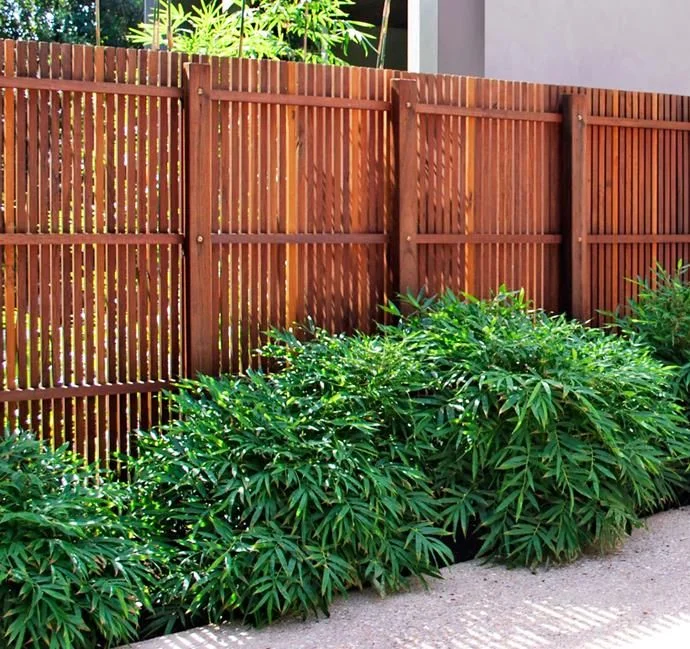
If patience is something you have, a living hedge is one of the most worthwhile cheap fence alternatives you can choose. Once it matures, a hedge is nearly free to maintain and quietly increases your property value — something a standard fence almost never does.
| Plant | Growth Rate | Privacy Level | Cost per Plant |
|---|---|---|---|
| Leyland Cypress | Fast (3–4 ft/year) | Very High | $15–$35 |
| Arborvitae | Moderate (1–2 ft/year) | High | $20–$50 |
| Privet | Fast | High | $8–$20 |
| Boxwood | Slow | Medium | $10–$30 |
| Clumping Bamboo | Very Fast | Very High | $25–$60 |
For a 50-foot boundary, total plant costs typically fall between $200 and $400 — well below fence installation — and the coverage improves with each passing season. That ongoing improvement is something no prefabricated fence can offer.
4. Woven Willow or Reed Screens
Woven willow hurdles and reed screens are traditional boundary solutions with European roots that have found a steady following in North America. They’re woven by hand, carry an organic, textured appearance, and typically cost $3–$7 per linear foot.
These screens fit naturally in:
- Cottage-style or English garden settings.
- Urban balconies and rooftop patios.
- Side yards where wind protection is needed alongside privacy.
They’re lightweight, simple to install, and biodegradable. That last quality means they will need replacing every five to seven years depending on your local climate, but the low cost makes that easy to accept.
5. Corrugated Metal Panels
Corrugated metal has moved well beyond its industrial origins. For contemporary and farmhouse-style homes, it’s now a respected and practical cheap fence alternative. Galvanized corrugated metal panels cost around $1–$3 per square foot and are stocked at most home improvement retailers.
Total installed cost for a corrugated metal fence typically runs $5–$15 per linear foot — noticeably less than wood or composite fencing.
Why it holds up well:
- Extremely durable — realistically lasts 20 or more years with minimal upkeep.
- Resistant to rot, insects, and weather-related deterioration.
- Compatible with both wood and metal post framing.
- Works cleanly with modern, industrial, and farmhouse aesthetics.
Landscape architects frequently choose corrugated metal for clients who want long-term value without a high initial investment. The durability alone tends to offset the upfront cost within a few years.
6. Lattice Panels With Climbing Plants
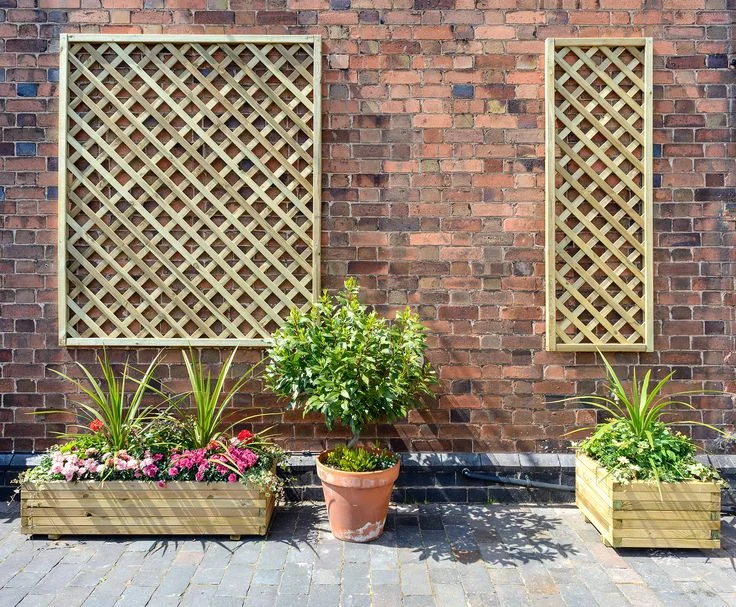
Lattice fencing sits between open structure and full enclosure. A 4×8 lattice panel costs roughly $15–$30 on its own, offering partial privacy from the start. Pair it with fast-growing climbing plants — jasmine, clematis, hops, or wisteria — and within one to two growing seasons you have a full, lush privacy wall.
This combination is one of the most visually appealing cheap fence alternatives for front yards and garden borders where appearance matters as much as function.
Climbing plants that work well for privacy:
- Climbing roses — fragrant with seasonal blooms.
- Hops — grows one to two feet per week during peak season.
- Virginia creeper — achieves full coverage and turns deep red in autumn.
- Honeysuckle — fragrant and attracts beneficial pollinators.
- Clematis — striking flowers with manageable, controlled growth.
7. Concrete Block or Cinder Block Walls
For permanent boundaries, particularly in dry or arid climates, stacked cinder block walls are an undervalued cheap fence alternative. Materials cost $1–$3 per block, and a straightforward low wall can be built without mortar or masonry experience.
Low decorative block walls in the 18–36 inch range work well for:
- Front yard property lines.
- Garden bed borders and separation.
- Raised patio edges and perimeters.
A coat of paint or stucco matched to your home’s exterior turns a functional block wall into a polished-looking boundary — for a fraction of what a full fence installation would cost. Many homeowners are surprised by how finished a simple cinder block wall looks once the surface is properly treated and painted. It stops looking like a construction material and starts looking like a deliberate design choice.
You can also add decorative cap blocks along the top edge to give the wall a clean, finished profile. These small additions cost very little but make a visible difference in the overall appearance. This is exactly what separates a well-executed cheap fence alternative from something that looks unfinished or temporary.
If you want to go a step further, planting low shrubs or ornamental grasses along the base of the wall softens the structure and ties it naturally into the surrounding garden. When done right, this approach stands as one of the most durable and visually rewarding cheap fence alternatives available to homeowners on a real budget.
The result is a boundary that looks far more expensive than it actually is — and one that holds up for decades with minimal upkeep.
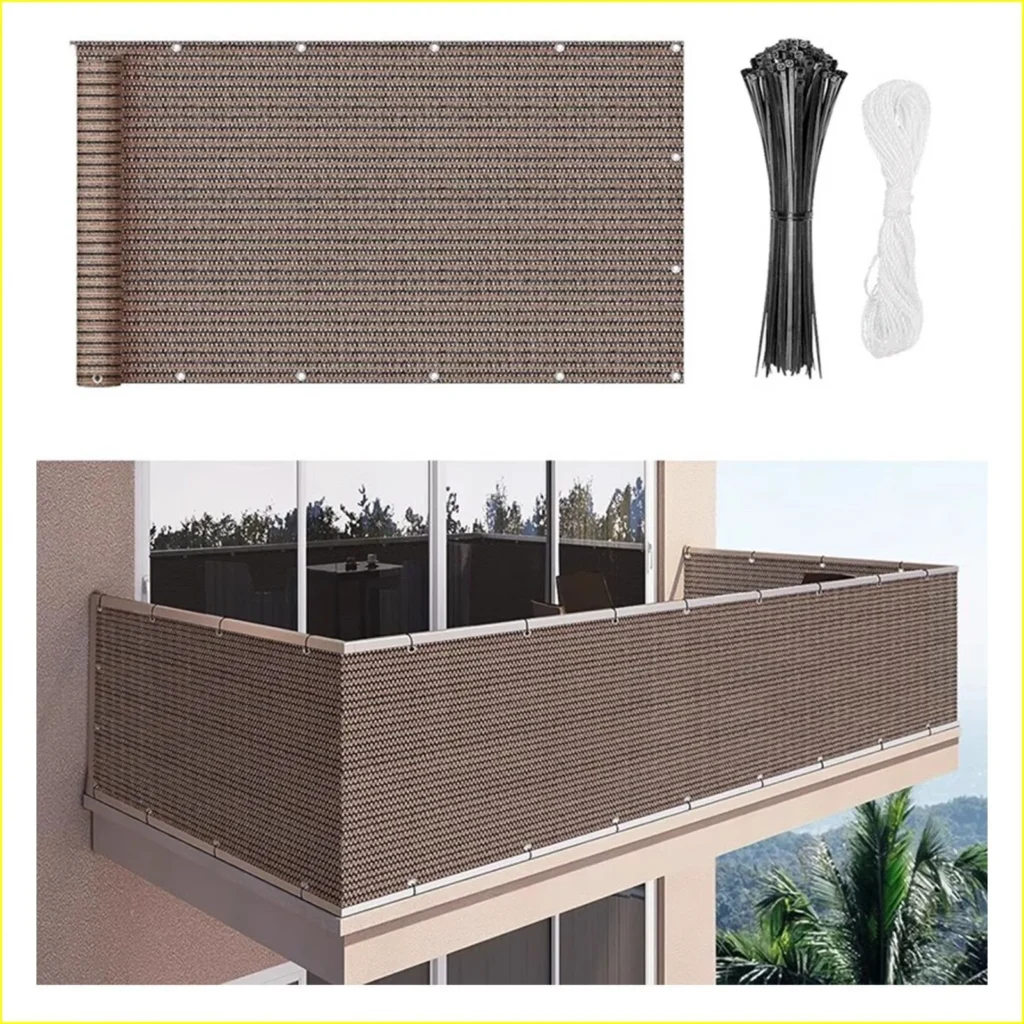
8. PVC Pipe and Shade Cloth Screens
For renters or anyone needing a temporary setup, PVC pipe frames covered with outdoor shade cloth offer one of the most flexible cheap fence alternatives on this list. The entire structure goes together and comes apart without a single tool.
A 6-foot tall, 20-foot wide privacy screen built this way costs roughly $40–$80 in materials. Shade cloth comes in opacity levels ranging from 30% to 90%, so you control exactly how much visibility you want to block.
Apartment patio users, condo balcony owners, and those setting up temporary outdoor spaces have made this approach consistently popular. It moves with you when you leave.
9. Gabion Walls
Gabion walls — wire mesh cages packed with rocks, stones, or gravel — are an architectural-quality cheap fence alternative that reads as premium without requiring a premium budget. The wire cages cost $10–$30 depending on size, and fill material can often be sourced locally at little or no cost.
What makes gabion walls worth considering:
- Highly durable and resistant to weather over the long term.
- Naturally drainage-friendly, so water moves through rather than pooling against the structure.
- Flexible in height and shape to fit different yard configurations.
- A strong visual feature in both modern and rustic outdoor designs.
Landscape designers often recommend gabion walls for sloped properties where traditional fencing would require expensive grading work first. The walls work with the slope rather than against it.
10. Outdoor Curtains and Privacy Screen Panels
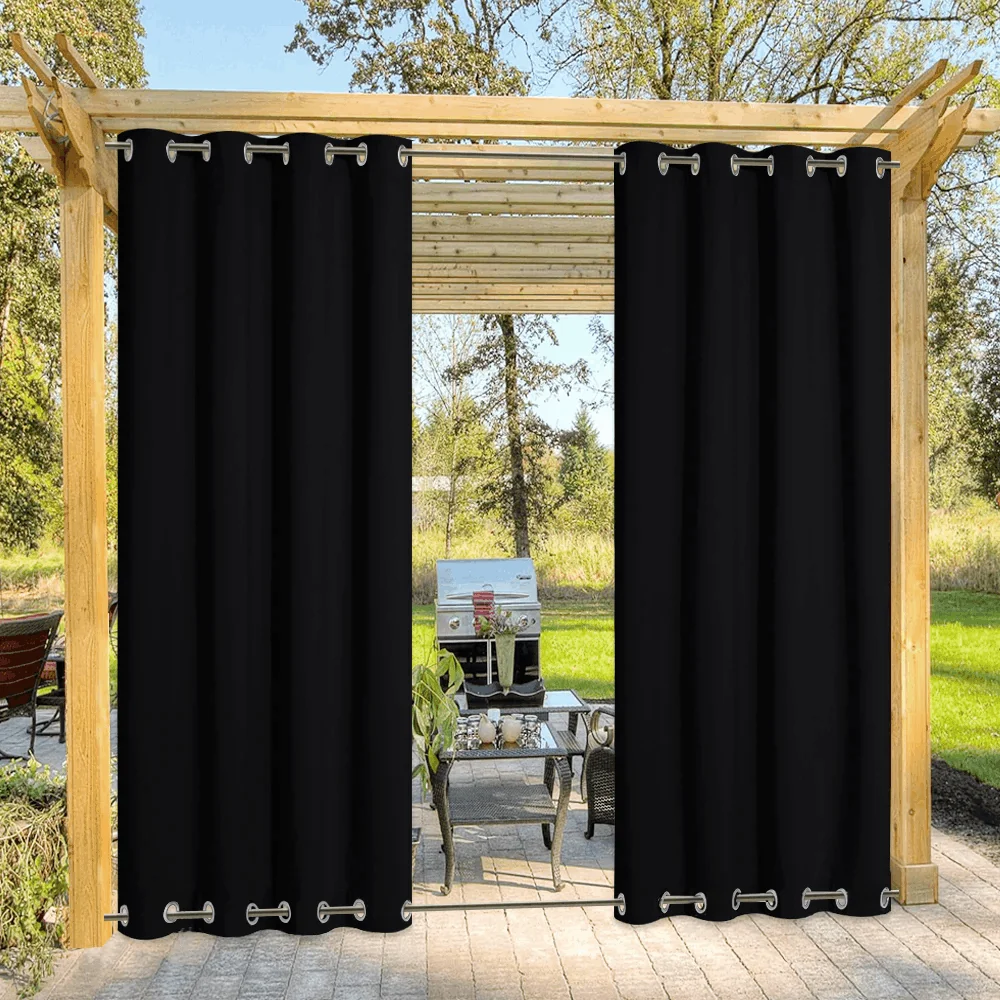
For patios, decks, and compact outdoor areas, outdoor curtain panels and freestanding privacy screens are the most accessible cheap fence alternatives for renters. No installation is required, no tools are needed, and nothing is permanently altered.
Freestanding wooden privacy screens range from $50–$200 depending on height and material. Outdoor curtain panels start as low as $15–$30 per panel and can be hung from pergola beams, tension rods, or a length of rope between posts. Simple, fast, and fully movable.
Comparing Your Options: Cost and Privacy at a Glance
| Alternative | Avg. Cost (per linear ft) | Privacy Level | DIY Friendly | Renter Safe |
|---|---|---|---|---|
| Bamboo Rolls | $1.50–$3 | High | ✅ | ✅ |
| Pallet Fence | $0–$1.50 | Medium-High | ✅ | ❌ |
| Living Hedge | $2–$5 (plants) | High | ✅ | ❌ |
| Reed/Willow Screen | $3–$7 | Medium | ✅ | ✅ |
| Corrugated Metal | $5–$15 | High | ✅ | ❌ |
| Lattice + Climbers | $3–$8 | Medium-High | ✅ | ❌ |
| Cinder Block Wall | $3–$7 | High | ⚠️ | ❌ |
| PVC + Shade Cloth | $2–$4 | Medium-High | ✅ | ✅ |
| Gabion Wall | $8–$20 | High | ⚠️ | ❌ |
| Outdoor Curtains | $15–$50 total | Medium | ✅ | ✅ |
What to Think About Before Making a Decision
Your Primary Goal
Start with the actual problem you’re solving. Privacy, pet containment, wind protection, and visual appeal each point toward different solutions. Shade cloth screens work well for privacy but won’t hold a dog inside. Hedges look beautiful but require time to grow. Matching the solution to the specific need saves money and avoids frustration.
HOA and Local Regulations
Before building anything permanent, check your HOA guidelines and local zoning rules. Many neighborhoods limit fence height, approved materials, or placement setbacks — and those restrictions often apply to alternatives as well. This is especially relevant for cinder block walls and gabion structures, which can trigger permit requirements.
Climate Considerations
Bamboo and wood-based options can struggle in humid climates prone to mold and moisture damage unless properly treated. Corrugated metal performs reliably across nearly every climate. Living hedges are highly regional — what grows well in Houston performs very differently in Minneapolis. Research what thrives specifically in your area before planting.
Maintenance Commitment
Every option requires some upkeep. Hedges need trimming. Bamboo needs periodic sealing. Pallets need re-staining every few years. Before settling on a material, be realistic about what you’re willing to maintain consistently over time.
Practical Tips to Reduce Costs Further
- Source materials locally — Craigslist, Facebook Marketplace, and local hardware stores often have pallet wood, bamboo, and cinder blocks available for free or well below retail.
- Do the installation yourself — DIY installation typically saves 50–70% compared to hiring a contractor, and most of these options are genuinely manageable for a careful beginner.
- Combine methods — a low cinder block wall as a base with lattice and climbing plants on top creates a taller, more attractive boundary at less cost than a single tall material.
- Test one section first — build a 10-foot test section before committing to a full perimeter; it lets you evaluate the look and durability before spending the full budget.
- Buy in bulk — bamboo rolls, cinder blocks, and fence panels typically carry meaningful bulk discounts at home improvement retailers.
FAQ: Cheap Fence Alternatives
Q: What is the cheapest fence alternative for a large yard?
Pallet fencing is the most cost-effective option — pallets are often free, leaving only hardware and sealant as expenses. For large yards where speed matters too, bamboo rolls offer a strong balance of cost and ease of installation.
Q: What cheap fence alternatives work best for renters?
PVC and shade cloth screens, outdoor curtain panels, and freestanding privacy screens are the most practical choices for renters. None require permanent installation, and all can be moved or taken along when you relocate.
Q: How can I get privacy in my yard without a fence?
Tall hedge plants like Leyland cypress or clumping bamboo create natural privacy walls that improve over time. Lattice panels paired with climbing plants reach full coverage within one to two growing seasons.
Q: Are there cheap fence alternatives that keep dogs in?
Yes. Pallet fences, corrugated metal panels, and cinder block walls all create reliable dog-proof enclosures when built to the appropriate height. PVC shade cloth screens are not suitable for dogs that push against or chew through structures.
Q: How long do bamboo fence rolls last?
Properly sealed and maintained, bamboo fence rolls last five to ten years. Without treatment, visible weathering and splitting can appear within two to three years in harsher climates.
Q: Do I need a permit for fence alternatives like gabion walls?
This varies by location. In many municipalities, structures above 36 inches require a permit. Always check your local zoning code and HOA rules before building any permanent boundary structure.
Q: What’s the most attractive cheap fence alternative?
Lattice panels with climbing plants, well-maintained living hedges, and corrugated metal with wood post framing consistently receive the strongest positive reactions from homeowners and landscape designers alike.
Conclusion
A tight budget doesn’t mean settling for a yard that feels exposed or unfinished. The cheap fence alternatives covered in this guide prove that privacy, structure, and good design are achievable without the cost of traditional fencing — and in many cases, the results are more interesting than a standard wood fence would ever be.
The right choice depends on your specific situation. Renters need portable, damage-free solutions. Homeowners with time to spare might prefer a growing hedge that improves year after year. Someone remodeling a modern home might find corrugated metal to be exactly the right fit. There isn’t one answer that works for every yard, and that’s actually a good thing — it means there’s a solution that genuinely fits your space.
Start small if you’re unsure. Build one section, see how it looks and holds up, then expand from there. Most of these options are forgiving enough that adjustments are easy to make along the way.
The goal at the end of the day is a yard that feels like yours — private, defined, and usable — without putting a strain on your finances. With the right cheap fence alternatives, that’s a realistic outcome for just about any budget.