You know that awkward corner in your bedroom or living room — the one that’s been collecting dust or holding a chair nobody sits in? That corner is about to become your favorite spot in the house.
A well-designed corner reading nook doesn’t need a lot of space, a big budget, or a professional interior designer. It needs three things: comfortable seating, good lighting, and a little intention. In this guide, you’ll get 10 practical, beautiful ideas to create your own cozy setup — whether you’re working with a tiny bedroom corner, an unused alcove, or a bay window just begging for a cushion.
Why Your Corner Reading Nook Is the Home Upgrade You Didn’t Know You Needed
Let’s start with a number that might surprise you. According to Zillow’s analysis of millions of home listings in 2025, mentions of reading nooks increased by 48% — signaling that more homeowners are looking for calm, comfortable spaces to unplug and unwind.
That’s not a coincidence. In an increasingly fast-paced world defined by digital doomscrolling, incorporating a dedicated corner reading nook is about creating spaces where the digital world can step aside — a deliberate pause to read a book rather than scroll.
These spaces are no longer luxury add-ons. They’re showing up in mainstream home listings because people are prioritizing how their home makes them feel on a Tuesday afternoon, not just how it presents at a party.
So yes — your corner reading nook is very much worth building. Here’s how.
The 3 Non-Negotiables for Any Corner Reading Nook
Before you start buying anything, get these three things right. Everything else — the paint color, the throw pillows, the bookshelf style — is decoration. These are the foundation.
1. Comfortable Seating
This is the heart of your corner reading nook. The chair or seat you choose will determine how long you actually stay and read.
For a tight space, a slipper chair or armless accent chair works well. If you have a little more room, go for a wide armchair with deep cushions — the kind you sink into rather than sit on. A daybed or a bench with a padded cushion works great if you prefer lying down while reading.
The golden rule: if you wouldn’t nap in it, it’s not cozy enough.
2. Good Lighting
Bad lighting kills the vibe and strains your eyes. A combination works best for any reading nook — natural light for daytime, and a task lamp with warm LED bulbs (2700K–3000K) for evening. Position the lamp over your shoulder to minimize page glare.
If you’re building a corner reading nook near a window, you’re already winning. Just add a floor lamp or wall-mounted reading light for evenings.
3. Storage Within Reach
Nothing ruins a reading session like getting up to grab your bookmark, glasses, or next book. Your cozy reading corner should have a small side table, a wall shelf, or a built-in bookshelf nook where your current reads live. An ottoman with internal storage works double duty — it’s a footrest and a place to stash blankets.
10 Corner Reading Nook Ideas Worth Stealing
1. The Classic Armchair + Floor Lamp Setup
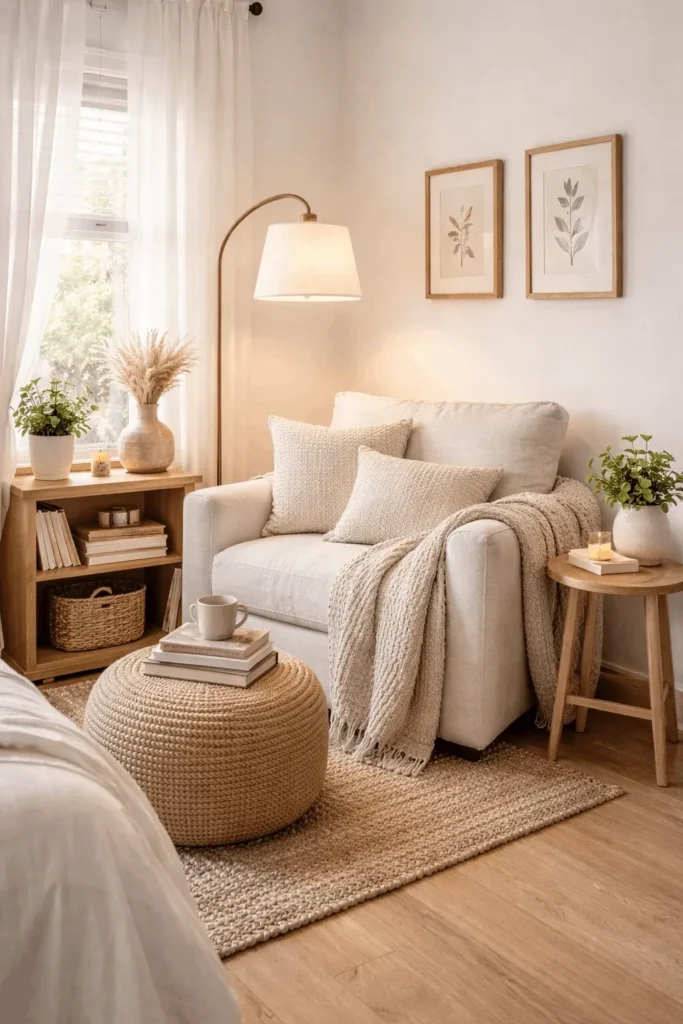
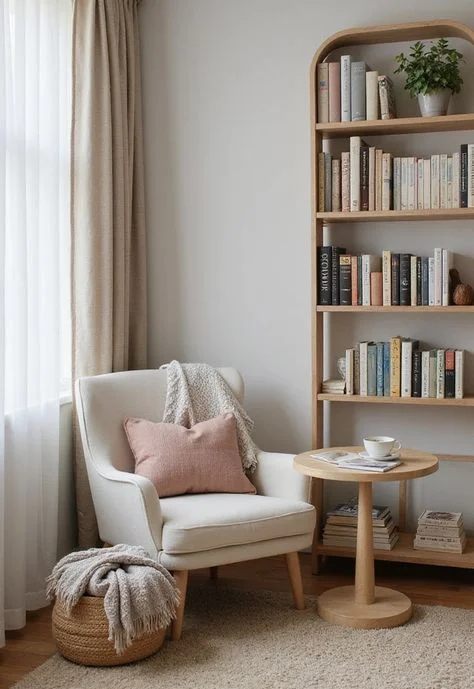
This is the easiest corner reading nook you can build today. Find an underused corner (bedroom, living room, hallway — anywhere works), drop in a comfortable reading chair, add a floor lamp angled over your shoulder, and stack a small side table within arm’s reach.
Honestly, this is where most people should start. You don’t need built-ins or a renovation. Sometimes all you need is an underutilized corner and a comfortable chair. Add a couple of floating shelves above the chair for books, and you’re done.
2. The Window Seat Reading Area
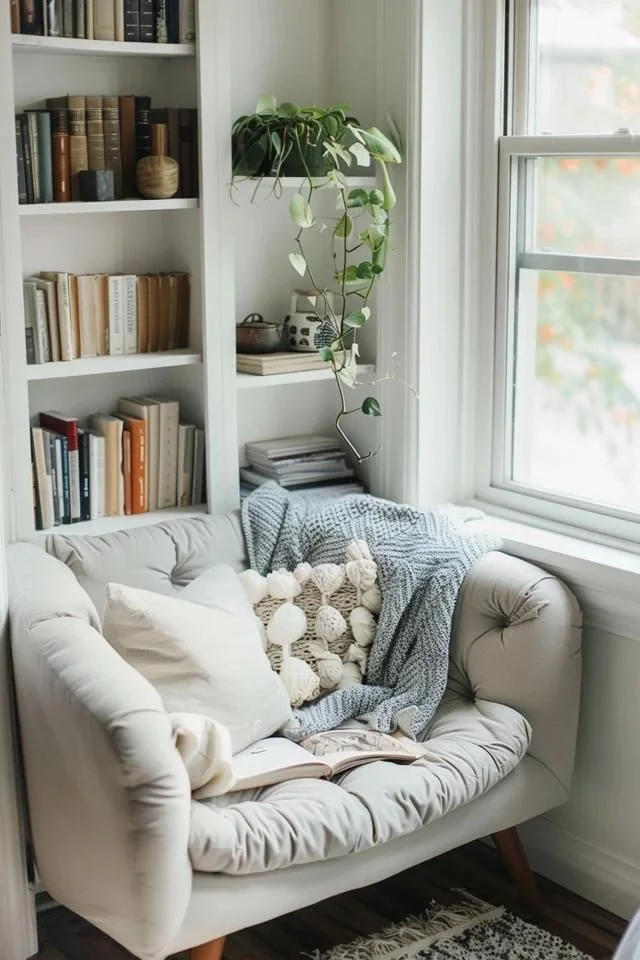
If you’re lucky enough to have a bay window or even a generous window ledge, this is your corner reading nook opportunity right there.
These nooks work beautifully when built into existing features — a wide windowsill transformed into an upholstered window seat, an unused alcove fitted with floating shelves, or even a corner beneath a sloped ceiling made cosy with layered textiles.
Add a custom bench cushion or a thick foam pad covered in fabric, pile on pillows, and hang lightweight curtains on either side. The natural light is built in, the view is built in — all you need is a good book.
For the storage side, consider a bench with drawers or lift-up storage underneath. You get your window seat reading area and a place to hide all those extra throw blankets.
3. The Built-In Bookshelf Nook
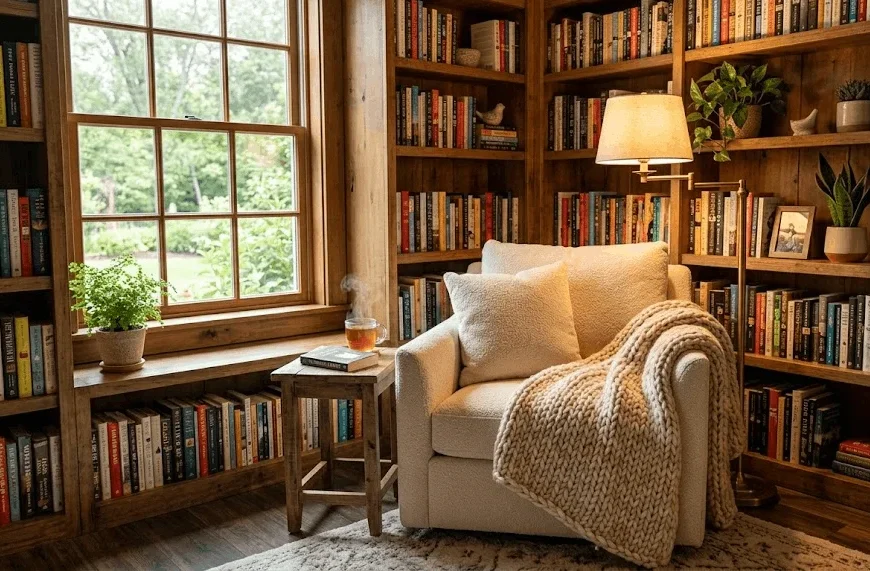
This one takes more effort but delivers maximum cozy payoff. A built-in bookshelf nook surrounds you on two or three sides with shelving, with a seat dropped into the middle. It feels like your own private library — even if the whole thing is only 4 feet wide.
A built-in reading nook with dark shelving, an arched frame, and soft bench seating — layered pillows, warm lighting, and floor-to-ceiling books — makes for the ultimate spot to curl up with a good read.
You don’t have to hire a contractor. IKEA Billy bookcases are a popular DIY option — arrange two side by side with a gap in the middle, build a simple bench across the gap, add a cushion, and trim it out with some wood molding to make it look built-in. It’s a weekend project that looks like it cost thousands.
4. The Small Space Reading Corner
Live in an apartment? Working with a bedroom that’s barely big enough? Good news: a corner reading nook can fit in as little as 3×3 feet.
For a small space reading corner, choose space-efficient seating like a hanging chair, floor cushions, or a narrow armless chair to maximize the setup. Use vertical space — wall-mounted shelves that go all the way up keep your floor area free. A wall-mounted fold-down shelf even doubles as a side table when you need it.
The key in a small space reading corner is restraint. Pick one statement piece (a great chair or a bold cushion color) and keep everything else simple. Clutter makes a small nook feel cramped; edited, intentional choices make it feel like a jewel box.
5. The Under-Stairs Indoor Reading Alcove
That awkward triangular space under your stairs is prime real estate for a reading nook. Build a custom bench following the stair angle, add built-in bookshelves on the sides, and top with plush cushions. It’s like having your own private library corner.
This indoor reading alcove design is one of the most photographed nook styles for a reason — it makes use of a space that was previously wasted, and the enclosed feeling is naturally cozy. Add a small reading lamp, a string of warm fairy lights along the ceiling, and a curtain across the opening for a hideaway feel.
6. Reading Nook with Storage
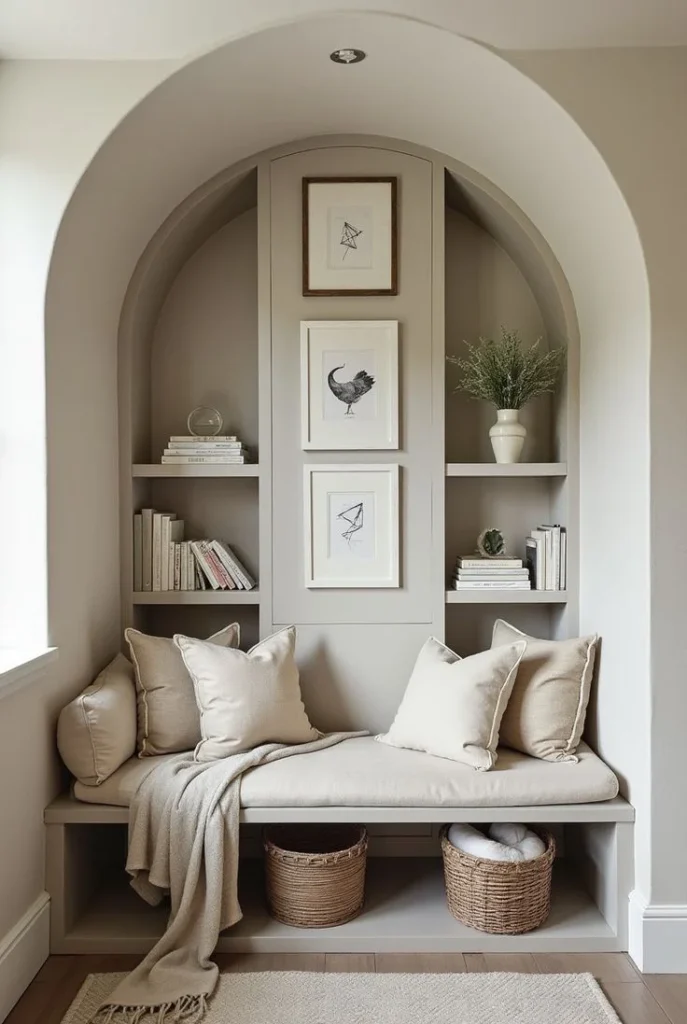
A corner reading nook is even better when it helps you stay organized. The reading nook with storage model is built for avid readers who always have a stack of books on the go.
Options to consider:
- A storage bench under a window, with books inside and cushions on top
- Picture ledge shelves at seated height so your TBR (to-be-read) pile is always visible
- A rolling cart tucked beside your chair — it can hold books, a candle, your reading glasses, and a small plant
For even more storage, choose a side table with a shelf or drawer underneath. Thirdly, a great way to make your reading area more comfortable is to include an ottoman or footrest — aesthetically, it also makes the corner look more intentional and complete.
7. The Bedroom Reading Corner
Your bedroom is actually one of the best spots for a corner reading nook. It’s already your quiet zone, it’s private, and there’s usually at least one corner that isn’t doing much.
A comfortable reading space adds another layer to your bedroom and creates a moodier atmosphere — you can create a cozy reading area where you can relax with a good book at any time of day, not just before bedtime. The bonus is that there are ways to make it work with limited space, so even the smallest bedroom can accommodate this cozy addition.
For bedroom reading corner decor, think warm tones — dusty rose, sage green, terracotta, warm neutrals. A linen armchair, a brass floor lamp, a small plant, and a low bookshelf or two floating shelves. Keep the palette calm so it doesn’t compete with the rest of the room.
One practical tip: if you read at night, position your chair so the lamp doesn’t shine toward your bed and disrupt your sleep setup.
8. The DIY Reading Nook Cushions Setup
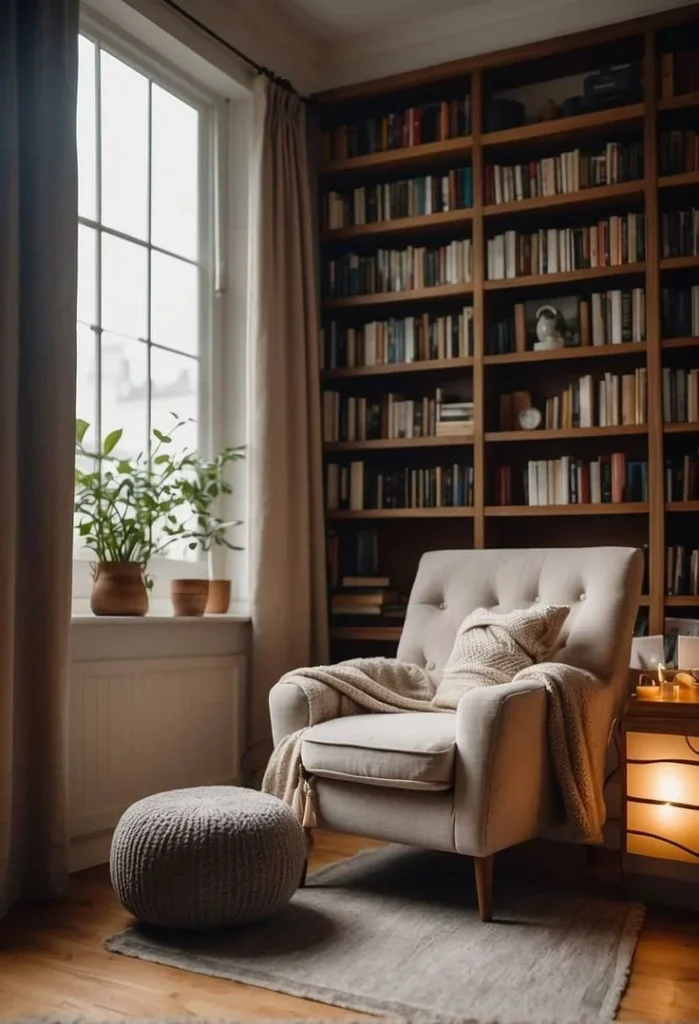
You don’t have to spend a lot to create a gorgeous corner reading nook. One of the most affordable approaches is floor cushions.
Layer a large area rug in the corner, stack oversized floor cushions or a tufted floor pouf, and add two or three throw pillows against the walls. Hang a macramé wall piece or some floating shelves above, and string fairy lights along the top of the walls.
DIY reading nook cushions are also easy to customize — you can pick fabrics that match your existing decor, or go bold with patterns. Outdoor fabric works well because it’s durable and easy to clean. If you have kids or pets, it’s a particularly smart choice.
This setup works especially well for kids’ spaces where you want something low to the ground and easy to flop into.
9. Kids Reading Nook Ideas
A kids reading nook ideas approach is slightly different from adult nooks — it should be lower to the ground, easier to access, and just a little bit magical.
Comfortability is the key to any great reading space for children or adults. You want to pick out seating first — cozy chairs, sofas to lounge in, or fun bean bag chairs all work great. Lighting is important too: natural lighting is ideal, so consider designing the nook by a window with lightweight curtains. Lamps are great for adding a warm feeling and allow your kids to read after sundown.
Theme the space around something they love — woodland, space, underwater, dinosaurs. Use wall decals instead of wallpaper (easier to update as their tastes change). Add a forward-facing bookshelf at kids’ eye level so they can see the covers and choose their own books, which research shows increases reading motivation.
A tent canopy draped over a corner chair or floor cushion setup adds instant fort energy, which kids absolutely love.
10. The Attic Slope or Dormer Nook
If you have an attic room or a bedroom with a sloped ceiling, you already have a corner reading nook waiting for you. Sloped ceilings create a natural enclosure that feels intimate and cozy.
Place a daybed against the shortest wall, add a small side table, and string fairy lights along ceiling beams. This reading nook idea feels like a treehouse for adults.
Layer in some textured throw blankets, a worn leather-bound book stack on the side table, and a small plant. The enclosed feeling of the slope does most of the work for you — all you’re doing is filling it with warmth.
The Details That Make or Break Your Corner Reading Nook
You’ve picked your style. Now here are the finishing touches that actually make the difference.
Lighting layers matter. Don’t rely on overhead lighting alone — it’s too harsh. Combine a floor lamp, a small table lamp, and maybe some string lights for warm, layered light that makes the space feel intentional.
Textiles are your best tool. A chunky knit throw, a sheepskin rug, velvet cushions — these are cheap ways to dramatically increase the coziness factor. Layer different textures: smooth linen + chunky knit + woven cotton is a classic combination.
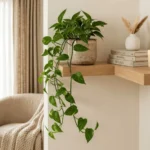
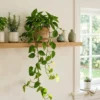
Plants add life. A single trailing pothos on a nearby shelf, or a small fiddle-leaf fig in the corner, makes the space feel fresh and alive. It also connects your comfortable reading chair corner to the biophilic design trend that interior designers say is dominating homes in 2026.
Keep it personal. A scented candle in your favorite fragrance, a mug of tea on the side table, a small framed photo — the personal touches are what make your corner reading nook feel like your corner reading nook, not a Pinterest board.
Common Corner Reading Nook Mistakes to Avoid
A few things people get wrong that you can easily sidestep:
- Buying a chair that looks great but feels terrible. Always sit in a chair for at least a few minutes before committing. A beautiful chair that’s uncomfortable is useless.
- Forgetting about glare. If your nook faces a window, get a light curtain or shade. Afternoon glare makes reading miserable.
- Going overboard with accessories. More isn’t always cozier. Sometimes two great pillows beat ten mediocre ones.
- Choosing the wrong spot. High-traffic areas don’t work. Your corner reading nook needs to be somewhere quiet where you won’t be constantly interrupted.
- No dedicated storage. If your books aren’t near your nook, you’ll eventually stop using it.
FAQs: Corner Reading Nook
Q1: How much space do I need for a corner reading nook?
You can create a functional corner reading nook in as little as 3×3 feet. A narrow armless chair or floor cushion setup takes up minimal floor space. The key is using vertical space — wall shelves instead of freestanding furniture — to keep the footprint small without sacrificing storage.
Q2: What’s the best lighting for a reading nook?
Warm LED bulbs between 2700K and 3000K are ideal for reading without eye strain. Position your lamp over your shoulder rather than in front of you to avoid page glare. A combination of a task lamp and ambient lighting (like string lights or a small table lamp) creates the most comfortable atmosphere.
Q3: How do I build a reading nook with storage in a small bedroom?
Choose furniture that multitasks: a storage bench under a window, a side table with a shelf underneath, or a rolling cart. Picture ledge shelves mounted at seated height keep your books visible without taking up floor space. Even a shallow floating shelf above your chair adds useful storage.
Q4: What are the best kids reading nook ideas for small rooms?
Floor cushions with a canopy tent, a bean bag chair with a forward-facing bookshelf at eye level, or a low bench with storage work well in small kids’ rooms. Keep lighting warm and positioning low so it’s easy for children to access independently. Theming the space around something they love increases how often they use it.
Q5: Can I create a cozy reading corner on a budget?
Absolutely. A second-hand armchair, two IKEA picture ledge shelves, a floor lamp, and a throw blanket can create a great reading nook for under $150. DIY reading nook cushions made from outdoor fabric and foam are another budget-friendly option that looks custom and holds up well over time.
Conclusion
A corner reading nook is one of the most rewarding home projects you can do because it gives you something you’ll actually use every single day — a personal retreat that’s just yours.
You don’t need to knock down walls or spend thousands. Start small: pick your corner, add one great chair and a good lamp, and build from there. The window seat reading area, the DIY cushion setup, the kids reading nook ideas, the built-in bookshelf nook — all of it can grow over time as you figure out what works for your space and your habits.
Your next step? Walk around your home right now and identify the one corner that isn’t pulling its weight. That’s your corner reading nook in waiting.