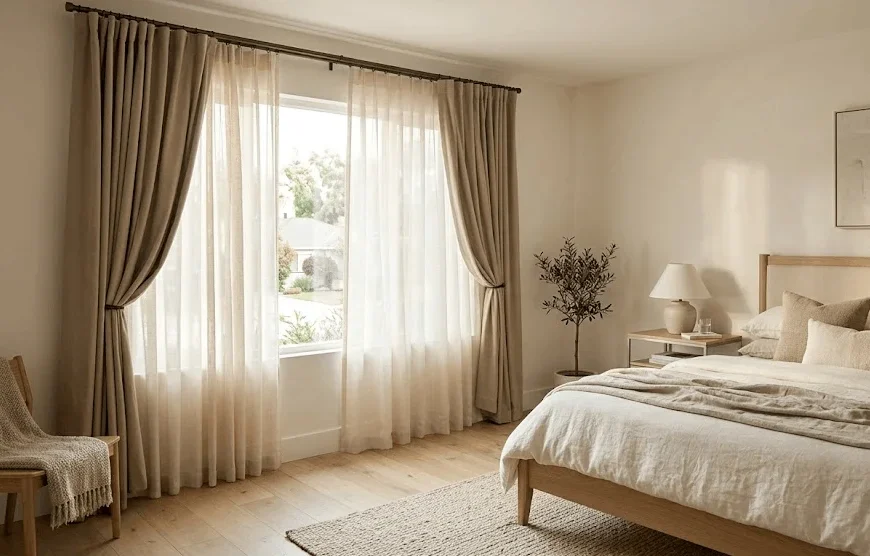
You walk into the store, or open twenty browser tabs, and suddenly there are a hundred options staring back at you. Curtains, blinds, shades, drapes — and every single one claims to be “the best.” If you’ve ever stood in your bedroom at 6 a.m., squinting because the sun is basically interrogating you, you already know why picking the right bedroom window treatment actually matters.
This isn’t just about looks. The right window covering affects your sleep, your energy bill, and even how private your space feels from the street. By the end of this, you’ll know exactly which options fit your room, your budget, and your sleep habits — no guesswork needed.
Why Your Bedroom Window Treatment Choice Matters More Than You Think
Picking a bedroom window treatment isn’t just a design decision — it’s a comfort decision. The wrong choice can mean waking up with the sun instead of your alarm, or losing heat through a window all winter.
Think about it this way: your window is basically a hole in your climate control system. Whatever you hang there either helps your room stay comfortable or works against you. That’s why so many people end up replacing their first pick within a year — they chose based on looks alone and ignored function.
A good bedroom window treatment balances three things: light control, privacy, and temperature. Nail those three, and style becomes the easy part.
Think of it like building a house — you don’t pick paint colors before the foundation is solid. The same logic applies here. Once you know how much light you actually want in the mornings, and how private you need the room to feel from neighbors or the street, everything else falls into place naturally.
Temperature is the one people forget most often. A window without the right covering can quietly undo half the work your thermostat is doing. So before you fall in love with a fabric pattern, ask yourself what job that window really needs to do first.
What Most People Get Wrong
Most folks buy curtains that “match the room” without checking the fabric weight or lining. Then they wonder why light still floods in at dawn. The fix isn’t complicated — you just need to know what each option actually does before you buy.
Here’s the thing — a bedroom window treatment isn’t just a design accessory, it’s a functional layer of your room. Skipping the research step is how people end up frustrated within a few months of installing something new.
For example, a thin cotton curtain might look perfect in photos, but it won’t do much against a sunrise-facing window. On top of that, lining matters just as much as the fabric on top — it’s often the hidden layer doing all the real work.
What this means is you shouldn’t shop by color swatch alone. Once you match the treatment type to your room’s actual light and privacy needs, everything else — pattern, texture, color — becomes a much easier decision.
Blackout Curtains for Bedroom: The Sleep-Saver Option
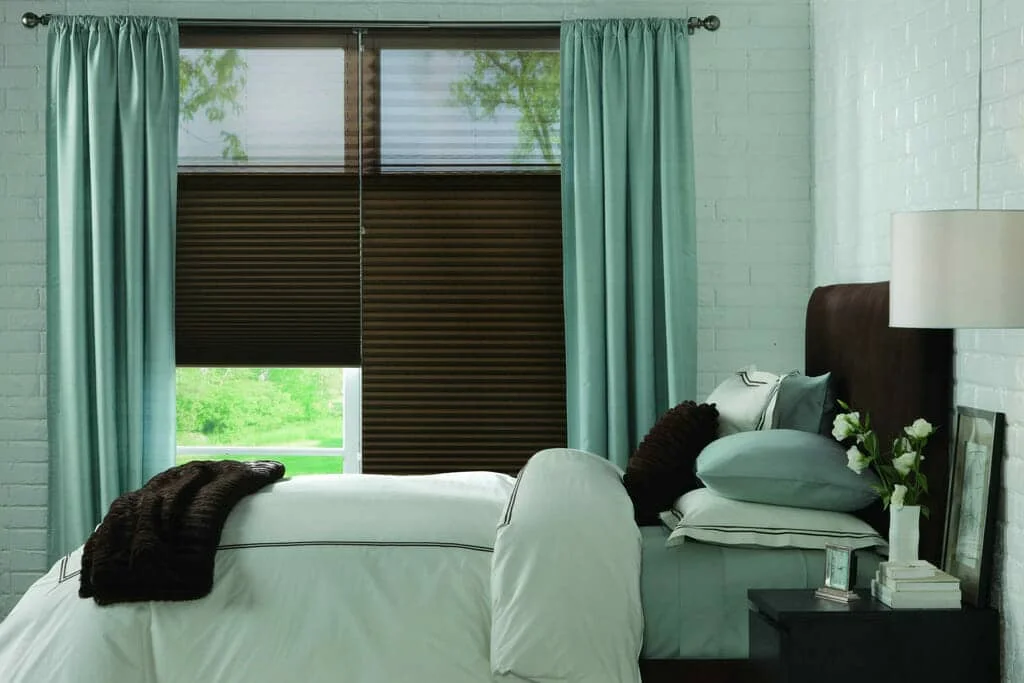
If you’re a light sleeper, or you work night shifts, blackout curtains for bedroom windows are probably your best friend. These aren’t your average curtains — they’re built with a tightly woven fabric or an extra lining layer that blocks nearly all outside light.
Here’s why this matters: even small amounts of light can disrupt your body’s melatonin production, which throws off your sleep cycle. Blackout curtains fix that by turning your room into a cave, in a good way.
This is exactly why blackout curtains are one of the most popular bedroom window treatment choices for people who struggle to fall or stay asleep. Even a sliver of light sneaking through the edges can be enough to pull you out of deep sleep without you even realizing why.
For example, if you live near a streetlight or your room faces east, that early light exposure adds up over weeks, not just one bad night. Choosing the right blackout option now saves you from restless mornings later.
Where They Work Best
- East-facing bedrooms that get slammed with morning sun.
- Nurseries, where naptime needs to happen regardless of the hour.
- Homes near streetlights or busy roads.
One thing to watch for: cheap blackout curtains can look stiff or plasticky. Spend a little more, and you’ll get a fabric that still feels soft and drapes naturally.
Bedroom Blinds and Shades: Clean Lines, Precise Control
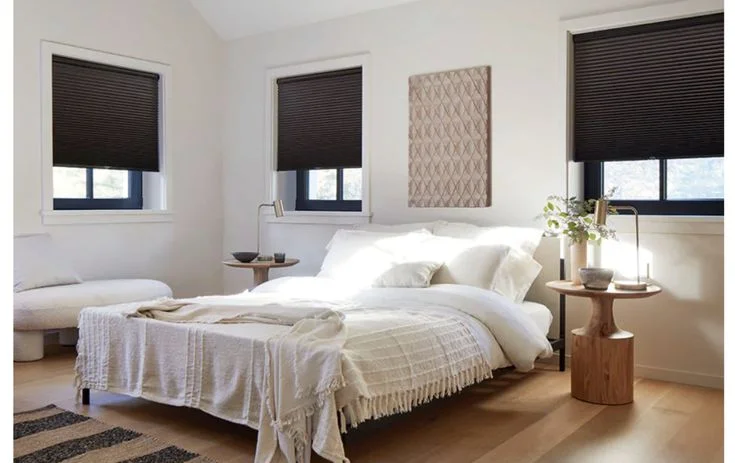
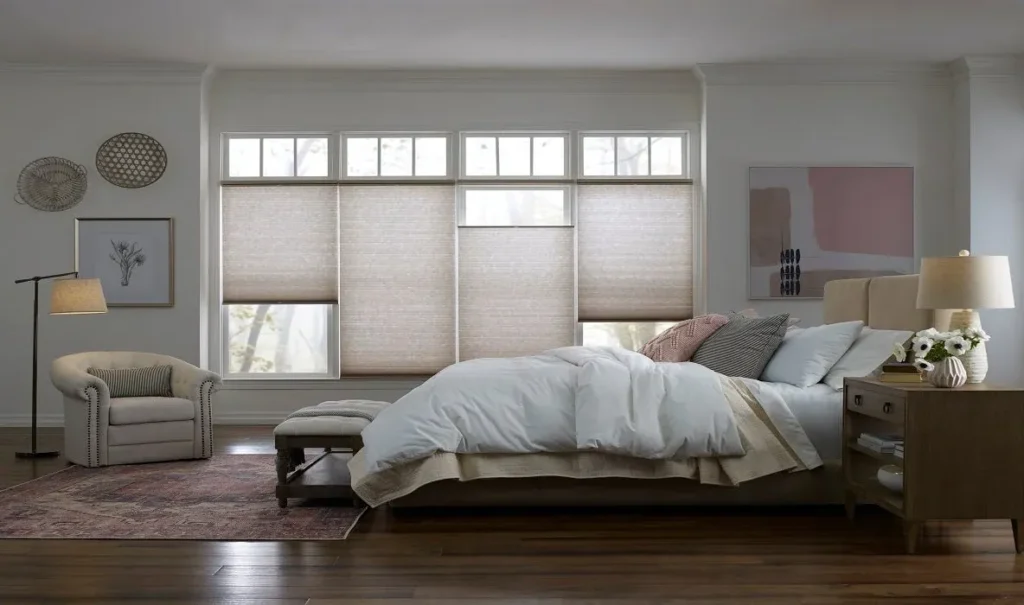
If curtains feel too heavy or fussy for your taste, bedroom blinds and shades give you a more tailored look. Venetian blinds, cellular shades, and roller shades all let you adjust light in small increments instead of an all-or-nothing swing.
What this means practically is you can tilt the slats to let in a sliver of morning light without fully exposing the room. That kind of control is hard to get from curtains alone.
Cellular shades, in particular, trap air in their honeycomb structure, which adds a bit of insulation too. So you’re not just controlling light — you’re helping regulate temperature at the same time.
This dual function is what makes cellular shades such a smart bedroom window treatment pick for year-round comfort. In winter, that trapped air acts like a buffer against the cold glass. In summer, it works the other way, keeping the heat outside where it belongs.
What’s even better is you don’t have to sacrifice style for this benefit — cellular shades come in dozens of colors and opacity levels, from sheer to full blackout. So whether your priority is energy savings or a cleaner look, there’s a version that fits your room without any real trade-off.
Once you factor in the insulation benefit, it’s easy to see why these shades tend to pay for themselves over time, both in comfort and on your utility bill.

Light-Filtering Window Curtains for a Softer Glow
Not everyone wants total darkness. If you like waking up gradually rather than getting hit by pitch black to blinding light, light-filtering window curtains are worth considering.
These curtains use a semi-sheer or medium-weight fabric that softens sunlight instead of blocking it completely. The room stays bright but not harsh — kind of like waking up under natural, diffused light rather than direct sun.
They’re a great pick for people who use their bedroom as a reading nook or home office corner during the day, since you still get usable daylight without the glare.
If your bedroom pulls double duty as a workspace, this kind of bedroom window treatment can genuinely change how productive you feel by mid-afternoon. Harsh direct sunlight often causes screen glare and eye strain, even if the room still feels “bright enough.”
Light-filtering fabric softens that intensity without making the room feel dim or closed off. You get that natural, diffused glow you’d normally associate with an overcast day — easy on the eyes, but still plenty to work or read by.
Over time, this small adjustment can make a noticeable difference, especially if you’re someone who spends hours at a desk or curled up with a book near the window.
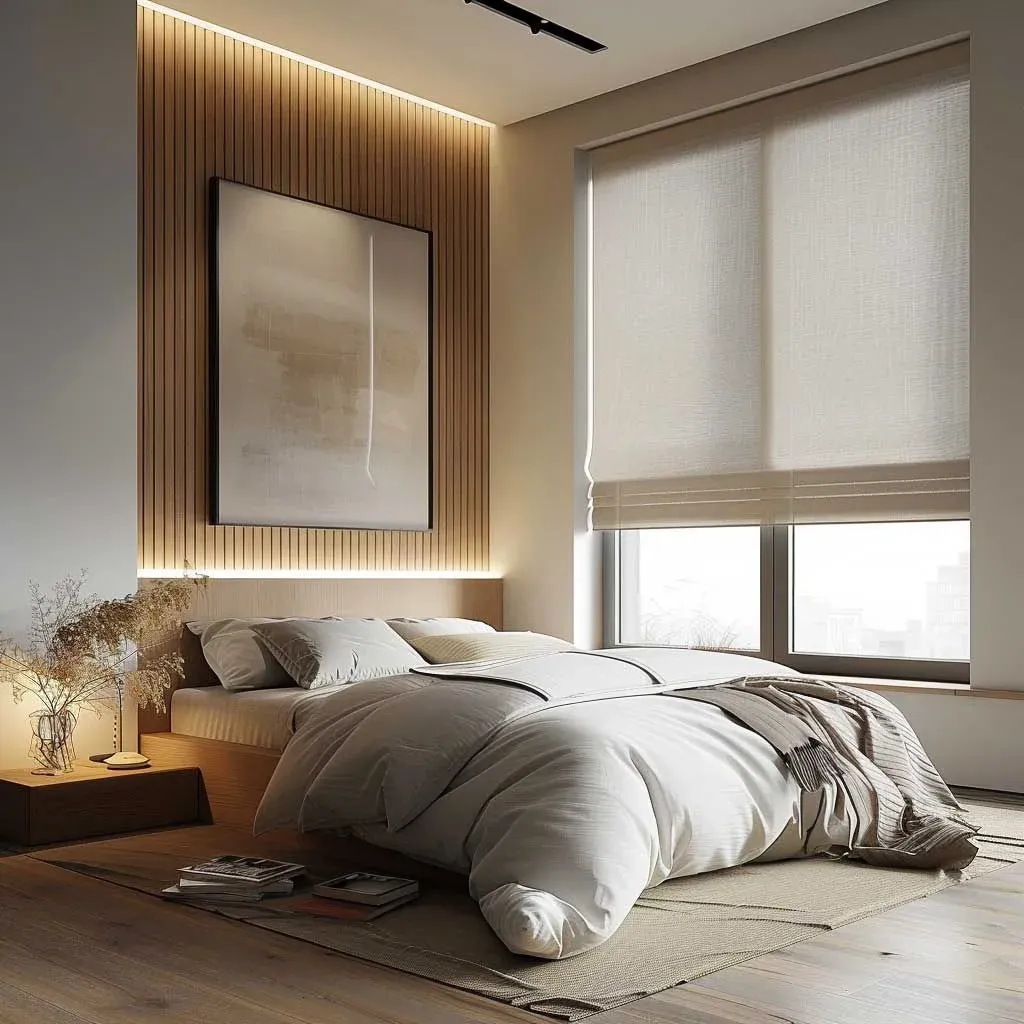
Thermal Insulated Drapes: Comfort That Pays for Itself
Here’s something a lot of people don’t think about until their heating bill shows up: windows are one of the biggest sources of heat loss in a home. Thermal insulated drapes tackle that directly.
These drapes are made with multiple fabric layers, sometimes including a foam or acrylic backing, that trap air between the fabric and the glass. In winter, that means less cold air seeping in. In summer, it works the other way, keeping heat out.
For anyone in an older home with single-pane windows, this upgrade alone can make a noticeable difference in comfort — and it doesn’t require touching the actual window.
This is one of the most overlooked bedroom window treatment upgrades, mostly because people assume fixing draft issues means replacing the entire window. That’s not always true, and it’s usually not the cheapest fix either.
Single-pane glass has almost no insulating power on its own, so it relies heavily on whatever covering you add in front of it. Thermal drapes essentially act as a second layer of defense, catching the cold air before it spreads into the room.
You’ll likely notice the difference most on windy nights or during the first real cold snap of the season, when older windows tend to struggle the most. It’s a small change, but it directly affects how your heating system has to work to keep up.
For older homes especially, this is one of those upgrades that quietly pays for itself within the first winter alone.
Bedroom Window Coverings Ideas for Small or Awkward Windows
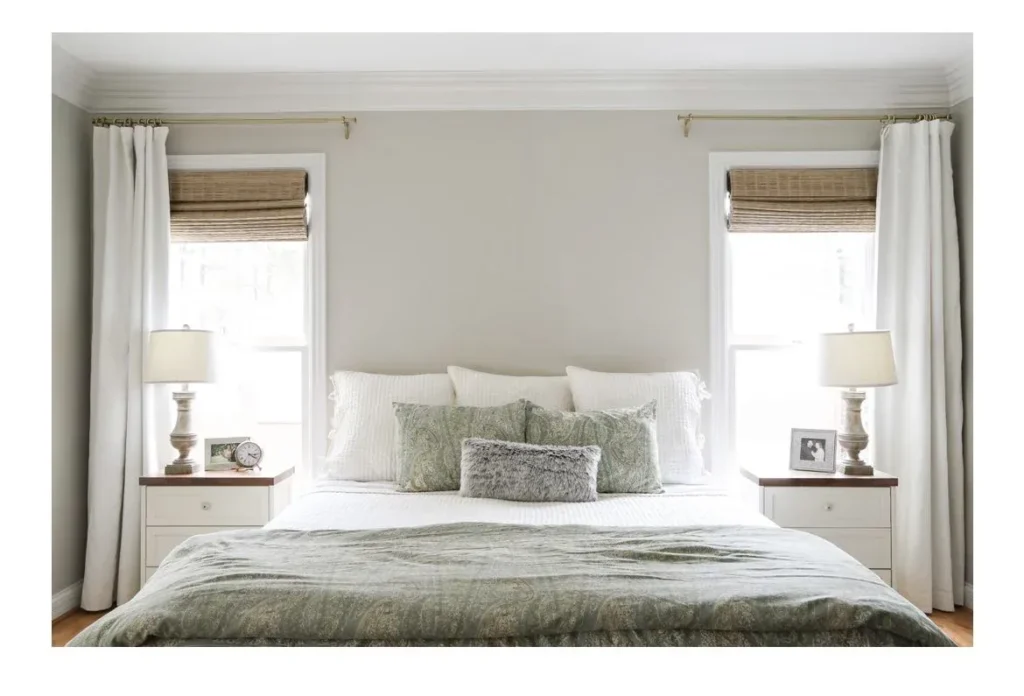
Not every bedroom has a standard rectangular window. If you’re dealing with a small, narrow, or oddly shaped window, standard-size treatments won’t cut it, and you’ll need some creative bedroom window coverings ideas.
A Few Practical Fixes
- Café curtains for windows near a headboard, covering just the lower half for privacy without blocking all light.
- Custom-cut cellular shades for narrow or slanted windows.
- Tension rod curtains for rentals where you can’t drill into the frame.
The trick with tricky windows is measuring twice. A treatment that’s even an inch off can look sloppy or let light leak around the edges.
It helps to measure at three different points — top, middle, and bottom — since older window frames aren’t always perfectly square. Even a small gap can throw off the whole look once the treatment is hung.
If you’re ever unsure, it’s worth having a professional take the measurements, especially for custom-cut shades where there’s no room for error.
Roman Shades for Bedroom Windows: A Timeless Middle Ground
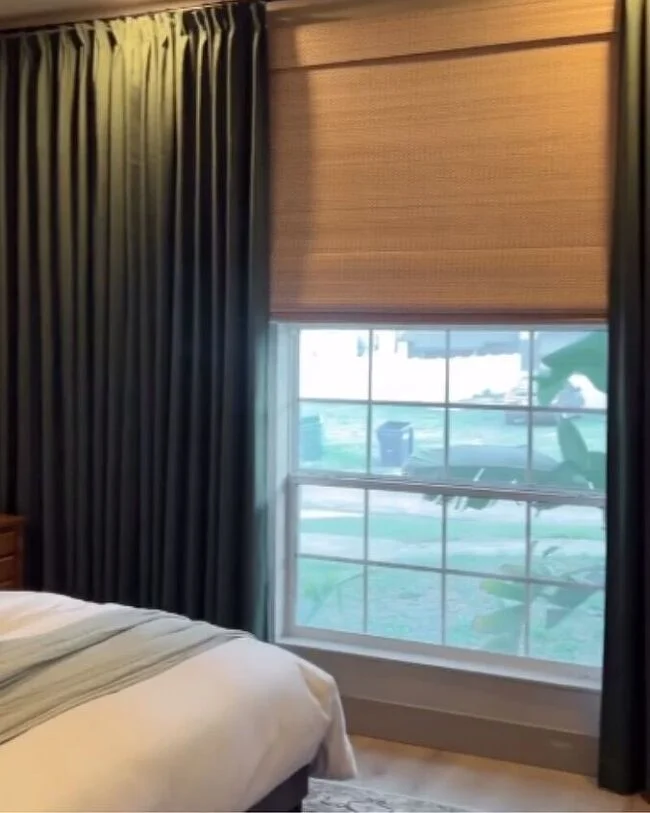
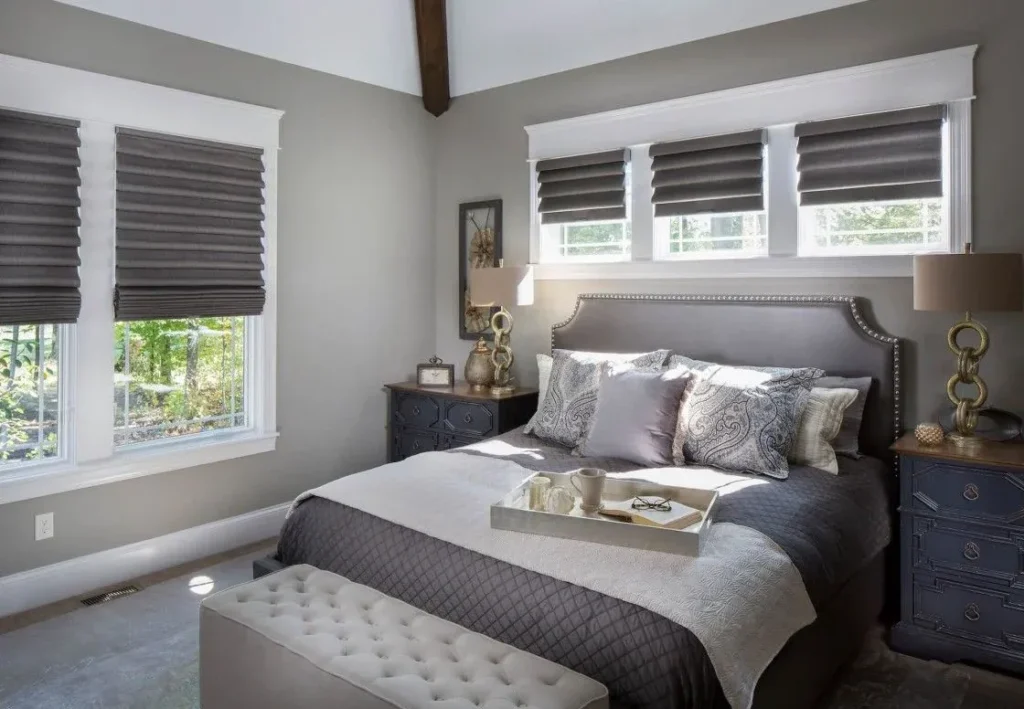
If you want something between curtains and blinds, roman shades for bedroom spaces hit that sweet spot. They fold up neatly when raised and lie completely flat when lowered, giving a tailored, almost architectural look.
They come in blackout, light-filtering, and sheer versions, so you’re not locked into one function. A lot of designers lean on roman shades because they add texture and pattern without overwhelming a small room — something curtains can sometimes do if the fabric is too heavy.
One small downside: they take a bit more effort to clean since you can’t just toss them in the wash like curtains.
Most roman shades need a gentle vacuum with a brush attachment to keep dust from building up in the folds. For deeper cleaning, spot-treating with a mild fabric cleaner usually works fine, but soaking or machine washing can warp the shape.
If you’re someone with allergies or pets, this maintenance routine matters more than it might seem at first. Dust and pet dander tend to settle into fabric folds faster than you’d expect.
That said, a quick weekly vacuum is usually all it takes to keep them looking fresh, so the extra effort is fairly minor in the grand scheme of things.
Sheer Curtains for Bedroom Windows: Privacy Without the Cave Effect
Sheer curtains for bedroom windows are all about letting light in while still creating a visual barrier from outside. They won’t block much light or offer full privacy at night, but they’re perfect layered under a heavier curtain or blind.
This layering approach is actually one of the smartest bedroom window treatment combos out there. During the day, you close just the sheers for privacy and soft light. At night, you add the blackout layer for full coverage.
It’s a two-in-one setup that a lot of professional stagers use because it looks polished without being complicated.

Motorized Blackout Blinds: For When You Want Zero Effort
If getting up to adjust your blinds feels like a chore (no judgment), motorized blackout blinds solve that with the push of a button or a voice command. Many models even sync with your phone, so you can set them to open automatically with your alarm.
This is especially handy for tall or hard-to-reach windows, where manual adjustment was always a minor workout anyway. The upfront cost is higher than manual blinds, but for a lot of people, the convenience is worth it.
They’re also a good pick for anyone with mobility limitations, since there’s no pulling or twisting cords involved.
Best Fabric for Bedroom Curtains: What Actually Holds Up
Picking the best fabric for bedroom curtains isn’t just about how it looks on the hanger. Fabric weight and weave determine how well a curtain blocks light, insulates, and holds its shape over time.
Quick Fabric Guide
- Velvet – heavy, great for blackout and insulation, adds a luxe feel.
- Linen – breathable, casual look, better for light-filtering than full blackout.
- Cotton blends – affordable, versatile, easy to clean.
- Polyester with blackout lining – budget-friendly and surprisingly effective at blocking light.
If you’re unsure, go with a mid-weight cotton blend with a blackout liner sewn in. It’s the safest bet for most bedrooms and works with almost any style.
Energy-Efficient Window Treatments: Saving Money While You Sleep
Beyond comfort, energy-efficient window treatments can genuinely cut your utility costs. Cellular shades, thermal drapes, and even some layered curtain setups reduce the amount of heat exchange happening through your glass.
What this means for your wallet: less strain on your heating and cooling system, which adds up over a full year. It’s one of those upgrades where the treatment pays for a chunk of itself over time, not just an aesthetic choice.
If you’re renovating anyway, this is the category worth prioritizing first, since it affects both comfort and cost every single day.
FAQs: Bedroom Window Treatment
1. What’s the best bedroom window treatment for light sleepers?
Blackout curtains or blackout cellular shades are usually the top pick. They block nearly all outside light, which helps keep your sleep cycle consistent, especially if you’re sensitive to early morning sun.
2. Can I layer curtains and blinds together?
Yes, and it’s actually a common approach. Pairing sheer curtains with blackout blinds or drapes gives you daytime privacy and nighttime darkness without buying multiple separate systems.
3. Are motorized blinds worth the extra cost?
If convenience and accessibility matter to you, yes. They’re pricier upfront but save daily effort, especially for tall windows or people with mobility challenges.
4. What fabric blocks the most light?
Velvet and polyester with a blackout lining are the top performers. Both are dense enough to block nearly all light while still looking finished from either side.
5. Do window treatments really affect energy bills?
Yes. Thermal drapes and cellular shades reduce heat loss in winter and heat gain in summer, which can meaningfully lower heating and cooling costs over a year.
Conclusion
Choosing the right bedroom window treatment really comes down to answering three questions: how much light do you want blocked, how much privacy do you need, and what’s your budget. Once you know those answers, the options above practically narrow themselves down.
Maybe that’s blackout curtains for a night-shift schedule, or a layered sheer-and-blind combo for a room that needs both privacy and softness. Either way, you don’t need to overthink the “perfect” look before you’ve nailed the function. Start with what your sleep and comfort actually need, then build the style around that.
If your current setup isn’t cutting it, this weekend’s a good time to measure your windows and figure out which option actually solves your problem.