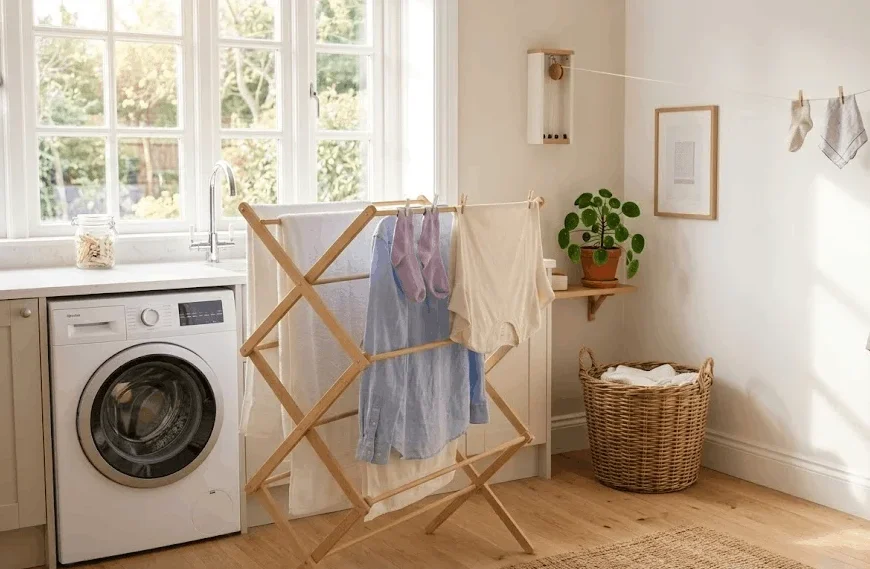
It’s 9 PM, it’s raining, and you’ve got three loads of wet laundry with nowhere to put them. Sound familiar? If you’ve ever draped a towel over every chair in your living room hoping it’ll be dry by morning, you already know the struggle. Finding real laundry drying solutions isn’t about buying one magic gadget — it’s about matching the right method to your space, your climate, and your budget. By the end of this, you’ll know exactly which options fit your situation, what they cost, and how to avoid the mistakes that leave clothes smelling musty or taking two days to dry.
Let’s get into it.
Why Laundry Drying Solutions Matter More Than You Think
Most people don’t think twice about their dryer until something forces the issue — a broken machine, a tiny apartment, a power bill that made them wince. That’s usually when the search for better laundry drying solutions starts. And honestly, it’s worth doing even if your dryer works fine.
Here’s why: drying is one of the most energy-hungry chores in your home. In the US alone, households burn through roughly 60 billion kilowatt-hours a year just drying clothes, compared to about 10 billion for washing — electric dryers alone account for a massive share of household electricity, with washing and drying together making up around 10 percent of a typical home’s total energy use. On top of that, a standard heated drying cycle uses somewhere between 3.3 and 5.4 kWh per load depending on the dryer type. Run that a few times a week, and it adds up fast.
That’s the financial angle. There’s also the practical one — not everyone has a dryer, especially in apartments, older buildings, or places where ventilation just isn’t an option. Whatever your reason, the good news is there’s a solution that fits almost any setup.
And it’s not just about having a dryer or not. Even people with a working machine end up needing backup options — rainy season laundry pile-ups, a broken belt that takes two weeks to fix, or simply not wanting to run a hot, noisy dryer every single day. That’s really what this comes down to: having more than one option in your back pocket instead of depending on a single machine.
This is exactly where the right laundry drying solutions make the biggest difference. Once you know what’s out there — racks, lines, heated airers, dehumidifiers — you stop feeling stuck every time the weather turns or the dryer acts up.
Indoor Clothes Drying Rack: The Classic That Still Works
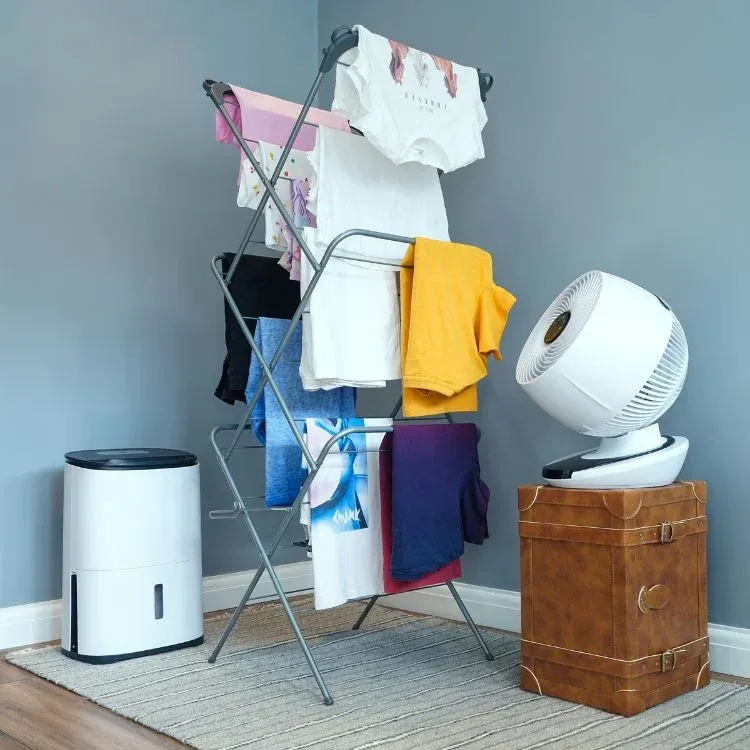
If you’re short on space, an indoor clothes drying rack is probably your first stop. These fold flat, tuck behind a door, and don’t cost much.
Where to Put It
Airflow matters more than sunlight indoors. Set your rack near a window with a breeze, or point a fan at it. A closed, stuffy room is the enemy — that’s how you end up with the damp-towel smell nobody wants.
If you don’t have a window nearby, a small oscillating fan on low speed does almost the same job. Just aim it across the rack rather than straight at one spot, so air moves evenly over every item instead of drying one shirt while the rest stay damp.
Space between items matters too. Overlapping clothes trap moisture against each other, which slows everything down and invites that musty smell even faster. Give each piece a little breathing room, and this simple laundry drying solution works far better than people expect.
What to Expect
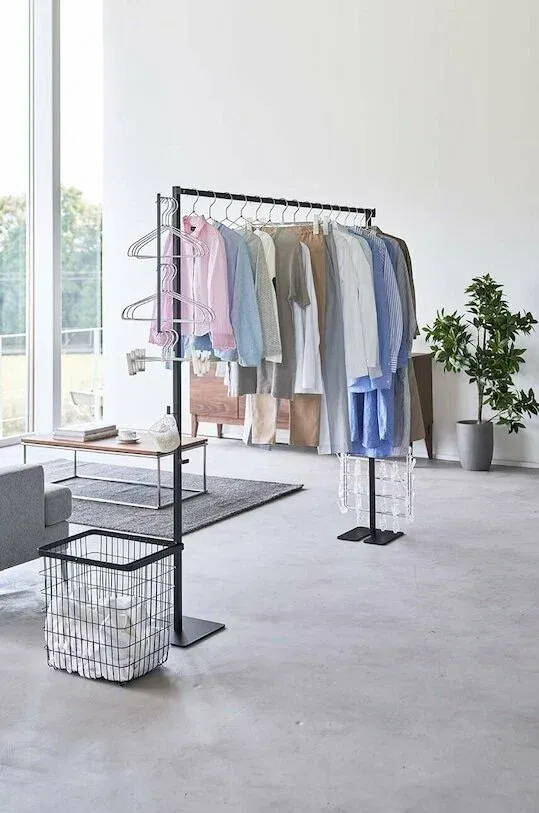
A standard rack holds about one load. For families, you might need two racks or a rotation system — dry one load while the next is in the wash. It’s not glamorous, but it’s cheap, and it works in a studio apartment as easily as a house.
If you’re tight on floor space, stack a second rack over a bathtub or shower rod instead of buying a bigger one. It’s a simple laundry drying solution that costs nothing extra and keeps wet clothes out of walking paths.
Either way, the goal is the same: keep laundry moving instead of letting it pile up faster than it dries.
Ventless Dryer Alternatives Worth Considering
Not every home has a dryer vent, and that rules out traditional machines. Ventless dryer alternatives solve this without any ductwork.
This is especially common in older buildings, high-rise apartments, and converted spaces where running a vent through a wall or window just isn’t feasible. Landlords often won’t allow the structural changes needed either, which leaves ventless options as the only real path forward.
The good news is that ventless technology has come a long way. Modern condenser and heat pump models handle moisture removal internally, so you get a genuine dryer experience without needing a hole in the wall.
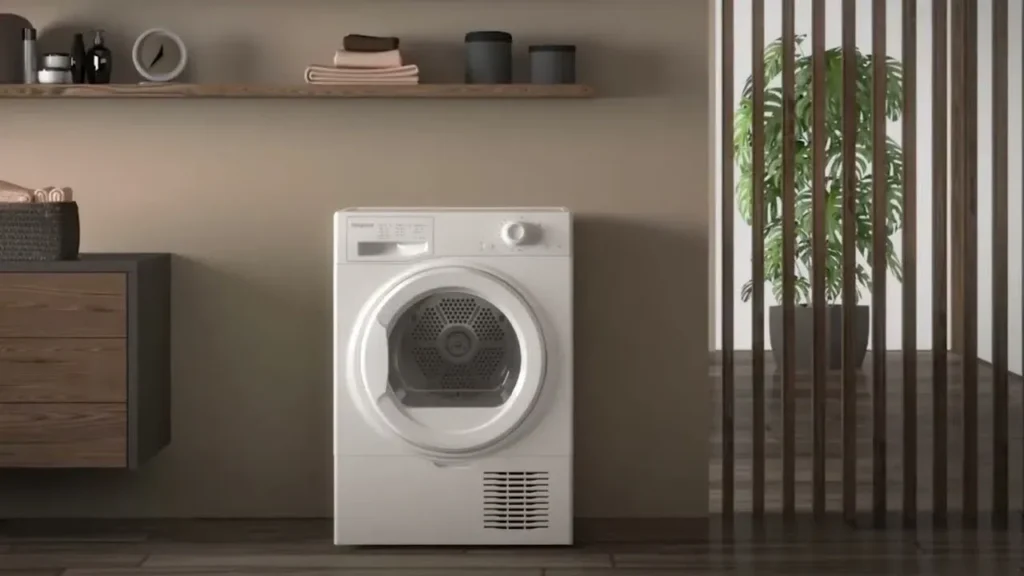
Condenser Dryers
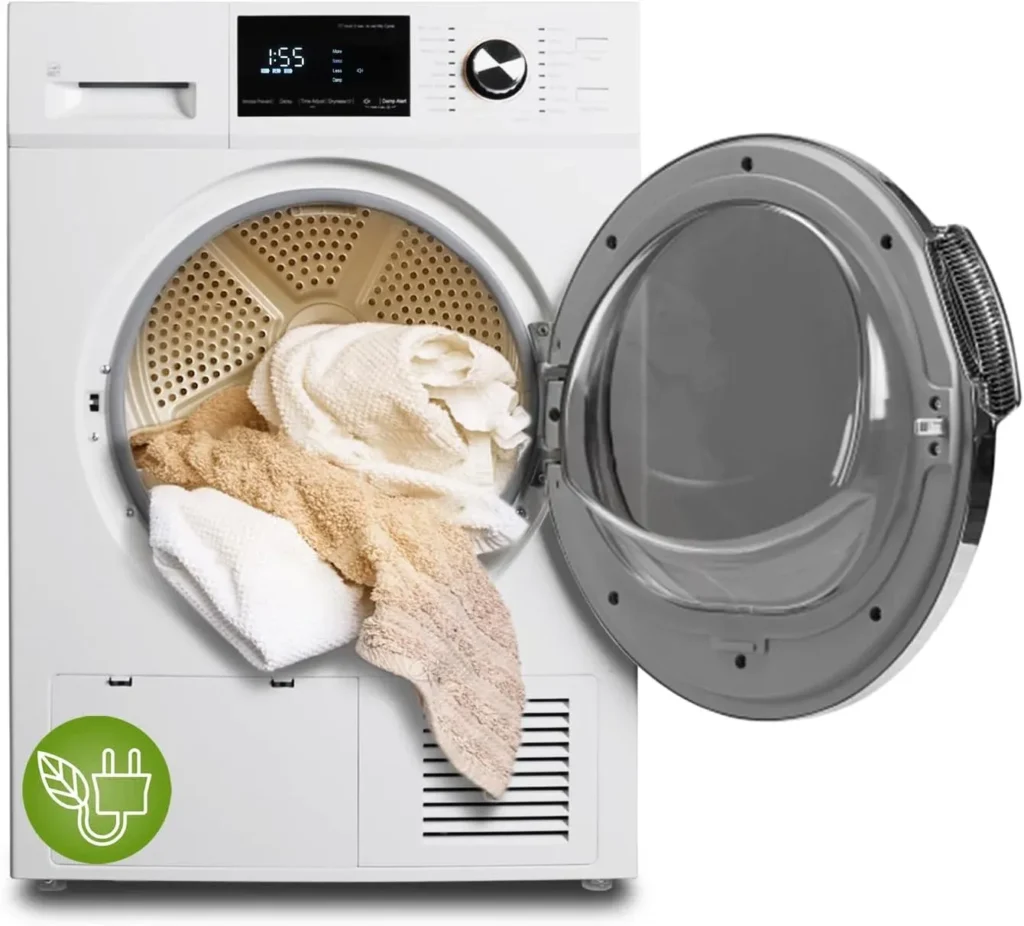
These pull moisture from clothes and collect it in a tank you empty after each cycle. No vent needed. They’re slower than vented dryers but plug into a regular outlet.
Emptying the tank becomes second nature after a cycle or two — most people just do it while unloading clothes, so it doesn’t add real extra work to laundry day. Some newer models even drain directly into a nearby sink, which skips the tank step entirely.
For anyone renting or living somewhere structural changes aren’t allowed, a condenser dryer is one of the more practical laundry drying solutions available. It fits into a normal power setup and needs zero modification to your home.
Heat Pump Dryers
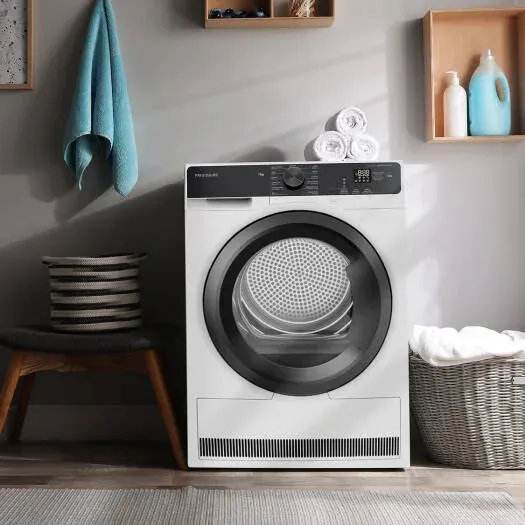
If you want the most efficient laundry drying solutions on the market right now, heat pump dryers are it. They extract heat from the surrounding air rather than using a heating element, and Energy Star estimates they use 20 to 60 percent less energy than conventional dryers. The catch? They cost more upfront and tend to run slower — in one comparison, a hybrid model used about 40 percent less energy but took roughly twice as long to dry the same load.
If you’re not in a rush and want to cut your energy bill long-term, this trade-off is usually worth it.
Clothesline Drying Systems for Outdoor Space
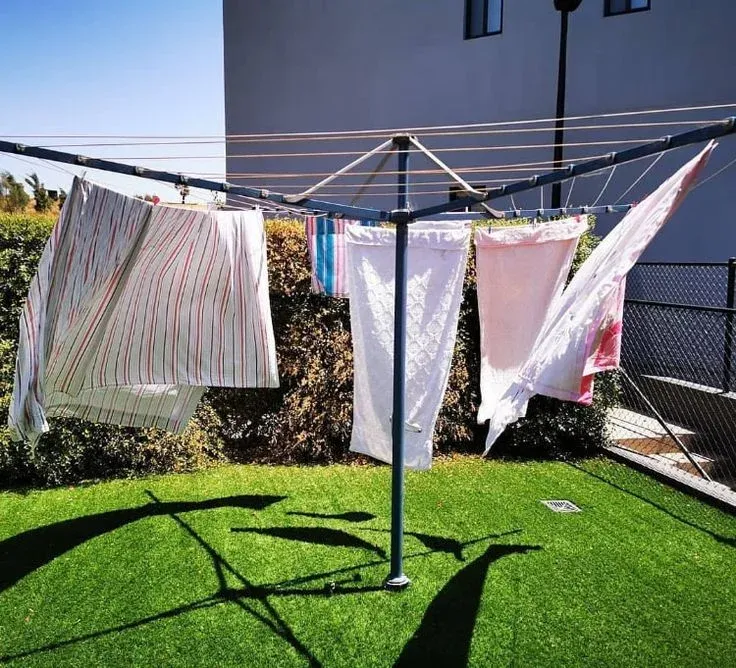
If you’ve got a yard, a balcony, or even a shared courtyard, clothesline drying systems are hard to beat. There’s no cost per load, no electricity, and clothes genuinely smell better.
Retractable Washing Line
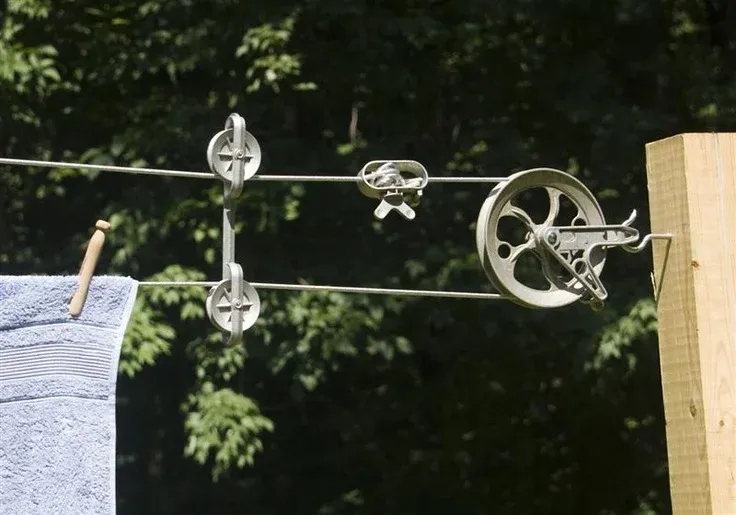
A retractable washing line is the best option if space is tight. It extends when you need it and reels back into a small wall-mounted case when you don’t. Great for balconies or narrow yards where a permanent line would be in the way.
Installation is usually a quick DIY job — mount one bracket, anchor the line to a wall or post on the other side, and you’re done in under an hour. No permanent posts sticking out of your yard, no line sagging in the middle when it’s not in use.
Most models handle a full load without stretching or drooping, which makes them one of the more reliable laundry drying solutions for anyone who wants an outdoor option but doesn’t have room for a fixed setup.
Traditional Clothesline
If you have the room, a simple rope line strung between two posts still works exactly as it did fifty years ago. A clothesline in the yard with sunshine and a gentle breeze is honestly the cleanest and most pleasant way to dry laundry — it just isn’t practical for everyone, especially in rainy climates or dense cities.
Sunlight actually does more than dry clothes — it has a natural bleaching and disinfecting effect, which is why whites and bedding often look brighter after a day outside compared to machine drying. It’s a small bonus that costs absolutely nothing.
If posts aren’t an option, even a line strung between two sturdy trees works just as well. The main thing is keeping it taut enough that heavier items like jeans or towels don’t sag and drag on the ground.
For anyone with outdoor space, this remains one of the simplest laundry drying solutions out there — zero equipment cost, zero electricity, just sun and air doing the work.
Energy-Efficient Laundry Drying Habits That Cost Nothing
Sometimes the best laundry drying solutions aren’t new equipment at all — they’re just better habits with the gear you already own.
Spin Faster Before You Dry
This one’s underrated. Research shows that increasing your washer’s spin speed from around 200 rpm to 1600 rpm can cut the energy needed for drying from 1.754 kWh per kg of laundry down to just 0.570 kWh per kg. That’s a massive difference, and it costs you nothing — just a setting change.
Dry Full Loads, Not Half-Empty Ones
Maximizing each load without overloading the dryer conserves both energy and time compared to running multiple smaller loads — just avoid packing it too tight, since that restricts airflow and slows drying.
Clean the Lint Trap Every Time
This sounds obvious, but it’s skipped constantly. A clogged lint filter can cut airflow enough to noticeably hurt efficiency, and cleaning it regularly can improve dryer efficiency by up to 30 percent.
Sort by Fabric Weight
Lightweight synthetics dry much faster than bath towels and natural fibers, so drying them together just means the thin stuff sits there fully dry while towels are still damp. Separate them and you’ll save real time.
Heated Airer for Clothes: Best for Cold Climates
Live somewhere cold and damp for half the year? A heated airer for clothes might be your best bet. These look like a normal drying rack but have heated bars that gently warm the fabric, speeding up evaporation without the high energy draw of a full dryer cycle.
They’re especially useful in winter when open windows aren’t an option and indoor air is already humid. Many models fold flat for storage and use a fraction of the electricity a tumble dryer does per hour, though total run time is usually longer since there’s no forced airflow.
Space-Saving Drying Racks for Small Homes
Apartment living comes with its own rulebook, and that’s where space-saving drying racks earn their keep. They work with the space you actually have instead of the space you wish you had.
Over-the-Tub or Over-the-Door Racks
These hang or hook into spaces you’re already not using — perfect for bathrooms. No floor space lost. Most hook straight onto a standard shower curtain rod or towel bar, so there’s nothing to drill or mount. It’s one of the quickest laundry drying solutions to set up if you just need a spot for a few damp items overnight.
Wall-Mounted Foldable Drying Stand
A foldable drying stand that folds flat against the wall is a great middle ground between a full rack and a line. Pull it down when you need it, fold it away when you don’t.
Ceiling-Mounted Pulley Racks
Popular in older European and Asian apartments, these hoist wet laundry up near the ceiling where warm air naturally collects. It’s out of the way, and heat rising through your home does a lot of the work for you.
Dehumidifier for Wet Laundry: The Secret Weapon
Here’s a laundry drying solution people forget about: a dehumidifier for wet laundry. Instead of adding heat, it pulls moisture out of the air in the room, which speeds up evaporation from every wet item hanging nearby — clothes, towels, whatever.
This works especially well in small, closed rooms like a laundry closet or bathroom. Run it while your indoor clothes drying rack is loaded, and you’ll often cut drying time by close to half, particularly in humid climates where clothes normally take forever to dry indoors.
Apartment Laundry Drying Tips for Tight Spaces
If you’re renting a small unit, here are practical apartment laundry drying tips that don’t require any renovation:
- Use vertical space. A wall-mounted foldable drying stand or ceiling rack takes up zero floor area.
- Crack a window, even in winter. A small gap keeps air moving and prevents mold buildup on walls near wet laundry.
- Rotate items halfway through. Flip shirts and turn towels inside-out so damp inner layers get airflow too.
- Don’t dry on radiators directly. It can damage fabric and creates uneven drying — use a rack near the heat source instead.
- Wash smaller, more frequent loads. Big loads in small spaces just mean everything takes longer to dry.
These small changes make a bigger difference than most people expect, especially when combined with one of the racks or lines mentioned earlier.
How to Combine These Laundry Drying Solutions
You don’t have to pick just one. Most people who’ve actually solved their drying headaches combine two or three approaches. A common setup: an indoor clothes drying rack for everyday items, a heated airer for clothes during winter, and a retractable washing line for sunny days. Add a dehumidifier for wet laundry if you’re in a humid region, and you’ve covered nearly every season and scenario without owning a traditional dryer at all.
The right combination really depends on your climate, your space, and how much laundry you’re dealing with weekly. A single person in a studio apartment has very different needs than a family of five in a house with a backyard. That’s really the whole point of exploring different laundry drying solutions in the first place — there’s no one-size-fits-all answer, just the setup that fits your actual life best.
FAQs: Laundry Drying Solutions
1. What’s the cheapest laundry drying solution for small apartments?
An indoor clothes drying rack is the cheapest option, usually under $30. Pair it with an open window or a fan for airflow, and it handles a full load without any electricity cost at all.
2. Do heat pump dryers really save money long-term?
Yes. They use 20–60% less energy than standard dryers, though they cost more upfront and dry slower. For frequent laundry days, the energy savings typically pay off within a couple of years.
3. How do I stop laundry from smelling musty when air-drying indoors?
Keep airflow moving with a fan or cracked window, don’t overcrowd the rack, and avoid drying in closed, humid rooms. A dehumidifier for wet laundry helps a lot in damp climates.
4. Are retractable washing lines actually sturdy enough for heavy laundry?
Most quality retractable washing lines hold 15–20kg, enough for towels and bedding. Just check the weight rating before buying if you regularly wash heavier items like duvets.
5. What’s the fastest way to dry clothes without a dryer?
Spin clothes at the highest speed your washer allows first — this alone significantly cuts drying time. Then use a heated airer or place a fan near your rack for the quickest results.
Conclusion
At the end of the day, there’s no single “best” answer here — the right laundry drying solutions depend entirely on your space, budget, and how much sunlight or airflow you can work with. Start small: try adjusting your spin speed, cleaning your lint trap, or picking up a basic rack. If those help, layer in something bigger like a heated airer or a heat pump dryer down the line. Check your current setup this weekend — even one small change, like drying full loads or sorting by fabric weight, can shave real time and money off your routine.