Growing beans looks easy on paper. You plant the seeds, water them, and wait. But somewhere around midsummer, things go sideways — leaves turn yellow, pods come in thin, or plants just stop growing without any clear reason. In most cases, the culprit isn’t too little water or not enough sun. It’s the soil nutrition. Picking the right fertilizer for bean plants is something a surprising number of gardeners get wrong, and the consequences show up directly in the harvest.
This guide covers everything you need — NPK ratios, organic feeding options, application timing, and a biological tool that most home gardeners have never even heard of. If you grow bush beans in raised beds or pole beans climbing a backyard trellis, what goes into your soil shapes what eventually ends up on your table.
Why Bean Plants Have Unique Nutritional Needs
Beans belong to the legume family, and that distinction matters more than most people realize. Unlike heavy feeders such as tomatoes or corn, beans carry a built-in advantage: they can pull nitrogen straight from the air through a partnership with soil bacteria called Rhizobium leguminosarum. This is why choosing the right fertilizer for bean plants looks different from feeding any other vegetable in your garden. In a very real sense, they help feed themselves — though only when conditions support that process.
That natural ability doesn’t mean beans can grow on empty soil. What it means is that they need a different kind of nutritional support than most other vegetables. Pouring on high-nitrogen fertilizer — which feels like the logical thing to do — actually shuts down that biological process and redirects the plant’s energy into producing leaves instead of pods. It’s one of the more counterintuitive things about growing beans, and understanding it changes how you approach every feeding decision.
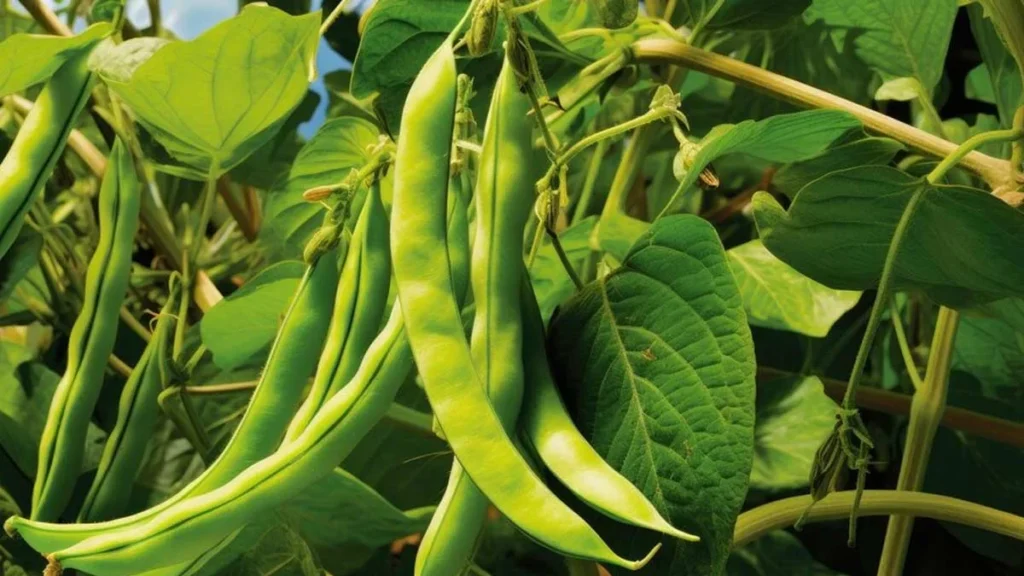
What Nutrients Do Bean Plants Actually Need?
- Phosphorus (P): Supports root development, flower formation, and pod fill.
- Potassium (K): Strengthens cell walls, improves disease resistance, and regulates how the plant manages water.
- Nitrogen (N): Useful in small amounts early on, but harmful in excess once plants are established.
- Calcium & Magnesium: Maintain cell structure and support chlorophyll production.
- Sulfur: Plays a role in protein synthesis inside the developing bean seed.
- Zinc & Boron: Trace elements that influence flowering quality and seed development.
The Best NPK Ratio for Bean Plants
When you pick up a bag or bottle of fertilizer, those three numbers on the front label tell you the ratio of nitrogen (N), phosphorus (P), and potassium (K). For beans, you want that ratio skewed low on nitrogen and stronger on phosphorus and potassium. That’s the opposite of what most general-purpose vegetable fertilizers offer, which is exactly why beans are often overfed with the wrong thing.
Here’s a practical breakdown of what to use at each stage:
| Growth Stage | Recommended NPK Ratio | Purpose |
|---|---|---|
| Soil prep (before planting) | 5-10-10 | Root establishment |
| Seedling stage | 2-3-3 or balanced low | Gentle early growth |
| Flowering stage | 0-10-10 | Pod and flower support |
| Pod filling | 0-5-10 | Yield and quality |
A 5-10-10 or 10-20-20 product applied at planting gives roots the phosphorus foundation they need without overloading the soil with nitrogen. Brands like Espoma Garden-Tone, Dr. Earth Organic Vegetable Fertilizer, and Jobe’s Organics Vegetable & Tomato fall close to this range and perform well as a fertilizer for bean plants in home garden settings.
Nitrogen Fertilizer for Legumes: Less Is More
This is the section most gardeners need to read twice. Nitrogen fertilizer for legumes requires real restraint — not because beans don’t need nitrogen, but because they produce their own when the soil biology is working properly.
Here’s how it works: Rhizobium bacteria attach to the bean’s root system and form small nodules. Those nodules capture nitrogen from the surrounding air and convert it into a form the plant can absorb. When you add high-nitrogen fertilizer to the soil, the plant senses the abundance and signals those nodules to go dormant. You’ve paid for a product that turned off a free, natural system. That’s not a trade worth making.
When Does Nitrogen Make Sense?
- At germination, before root nodules have had time to form — and only in very small amounts.
- When a soil test confirms a genuine nitrogen deficiency.
- In sterile, heavily depleted, or fumigated soils where microbial life is minimal.
For most backyard gardens with decent soil, a low-nitrogen starter fertilizer at planting is all you’ll ever need — though fertilizer for bean plants should skip nitrogen entirely, since they fix their own, relying only on phosphorus and potassium for root and pod support. After that, phosphorus and potassium carry the rest of the season.
Organic Compost for the Vegetable Garden: The Underrated Foundation
Before spending money on any fertilizer product, take a look at what your soil is actually working with. Incorporating organic compost for vegetable garden beds before planting is the single most impactful investment you can make in your bean crop — and it does things that synthetic products simply cannot.
Compost improves:
- Soil structure and water drainage.
- Microbial diversity, including the native Rhizobium populations your beans depend on.
- The soil’s ability to hold and exchange nutrients.
- pH stability, which determines whether nutrients already in the soil are actually available to plant roots.
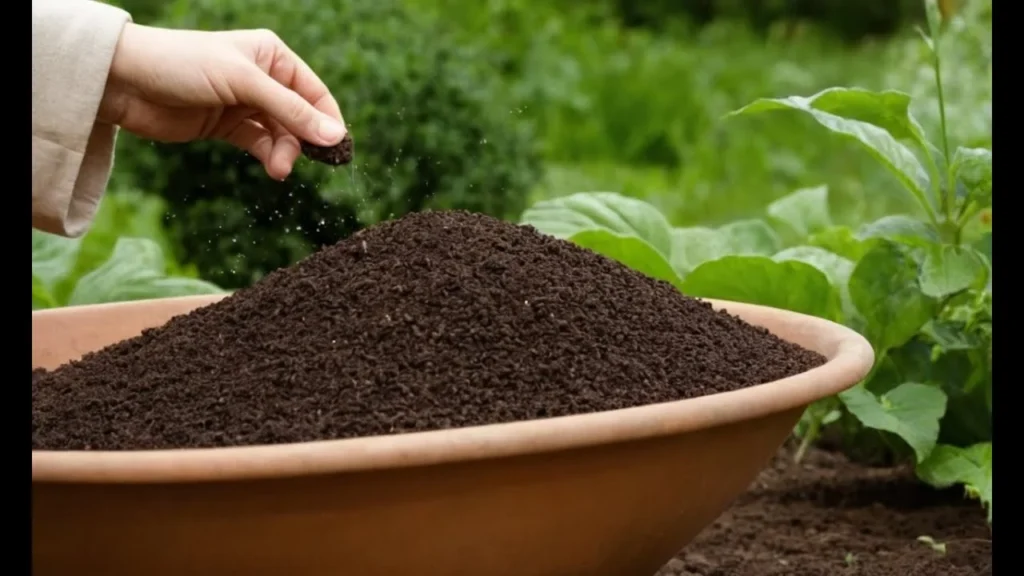
Work 2–4 inches of aged compost into the top 6–8 inches of soil roughly one to two weeks before planting. This builds a living root environment that supports the plant from germination all the way through pod fill. Well-rotted manure, worm castings, and leaf mold are all strong choices — they break down slowly and provide a steady stream of nutrition across the full growing season.
How to Feed Bean Plants Naturally
For gardeners who prefer to avoid synthetic inputs — or simply want to keep costs low — there are several well-tested natural approaches that genuinely work as a fertilizer for bean plants.
1. Rhizobium Inoculant
A rhizobium inoculant for legume plants is a powder or liquid containing concentrated populations of nitrogen-fixing bacteria. You apply it directly to seeds before planting, so the bacteria are already present when roots begin to develop. In garden beds that have never grown beans, or in soils that have been treated with herbicides or fumigants, native Rhizobium populations may be too low to support strong nodule formation. Inoculant fills that gap quickly and reliably.
Products like Garden Alive Legume Inoculant or Burpee Natural & Organic Legume Inoculant are inexpensive and can produce a noticeable difference in yield, especially in newer beds.
2. Fish Emulsion
A diluted fish emulsion — typically around 2-4-2 NPK — offers a gentle, balanced nutrient boost that works particularly well during the seedling stage. It feeds the plant without overwhelming it, and the organic matter it contains also benefits the soil microbiome.
3. Kelp Meal and Seaweed Extract
Kelp and seaweed products are excellent sources of potassium and trace minerals, making them a smart choice as fertilizer for bean plants since they deliver phosphorus and potassium without the nitrogen legumes don’t need. They also contain natural plant hormones that encourage root development and help plants cope with stress. Use kelp meal worked into the soil at planting, or dilute liquid seaweed extract and apply it as a foliar spray once flowering begins.
4. Wood Ash
Wood ash from clean, untreated wood provides potassium and calcium in a form plants can access relatively quickly. Apply it carefully — no more than half a cup per square foot per season — and skip it entirely if your soil pH is already above 7.0, since ash is alkaline and will push pH higher.
5. Bone Meal
Bone meal is one of the most reliable natural phosphorus sources available. A small handful worked into the bottom of the planting hole gives young roots a phosphorus-rich zone to grow into from the very beginning.
Slow-Release Fertilizer for Vegetables: Is It Worth It for Beans?
Slow-release fertilizer for vegetables uses a polymer coating around nutrient granules that breaks down gradually over weeks or months. For beans, this approach has genuine practical advantages over liquid fertilizers that spike the soil and then fade.
Because most bean varieties take between 60 and 90 days to mature, a single slow-release fertilizer for bean plants at planting can sustain consistent low-level nutrition across the entire season. This is especially valuable for phosphorus and potassium, where steady availability over time produces better results than an occasional surge.
Osmocote Plus (15-9-12) and Nutricote are commonly used slow-release products. On the organic side, feather meal releases nitrogen slowly, rock phosphate provides a very long-term phosphorus source, and greensand supplies potassium from mineral deposits over several seasons.
One thing worth keeping in mind: high-nitrogen slow-release products still present the same problem for beans. Gradual release doesn’t prevent nitrogen from suppressing nodule formation — it just extends the problem over a longer period.
Soil Nutrients for Green Beans: Reading Your Soil First
Before applying any fertilizer for bean plants, run a soil test. It sounds like an extra step, but it’s genuinely the most practical thing you can do. Without it, you’re guessing — and guesses lead to either wasted money on amendments you don’t need or ongoing deficiencies you don’t know about.
University cooperative extension offices typically offer soil testing for $15 to $25. Home kits from brands like Luster Leaf Rapitest or MySoil give usable results within minutes. A standard test will show you:
- Current soil pH (beans grow best between 6.0 and 7.0).
- Available nitrogen, phosphorus, and potassium levels.
- Organic matter percentage.
- Secondary nutrient status.
If phosphorus and potassium levels already test adequate, skip those amendments — this matters especially when choosing fertilizer for bean plants, where unnecessary nitrogen is the most common and costly mistake. If pH comes back above 7.2, sulfur or acidic compost can bring it down before planting season begins. Making decisions based on what your soil actually contains rather than a generic schedule protects your plants and your wallet.
When to Fertilize Bean Seedlings
Knowing what to apply only gets you partway there. When to fertilize bean seedlings and mature plants matters just as much as which product you choose.
Before Planting
Incorporate compost, bone meal, and any phosphorus or potassium amendments into the soil one to two weeks ahead of planting. Giving amendments time to begin integrating before roots arrive produces better early uptake.
At Planting
Apply rhizobium inoculant directly to seeds. If you’re using a granular starter fertilizer, place it a few inches below and beside each seed — never in direct contact with it, as concentrated fertilizer salts can damage germination.
2–3 Weeks After Germination
A diluted liquid feed — fish emulsion or liquid seaweed — can support root development during this early stage. Keep nitrogen content minimal at this point.
At Flower Set
This is the most important feeding moment of the season. A phosphorus and potassium application as flowers begin to open directly supports pod set and seed development. Nitrogen should be reduced or skipped entirely here.
Pod Filling
A light final application of potassium helps firm up pod walls and concentrate flavor. Most experienced gardeners stop all fertilizer applications about three weeks before the planned final harvest.
Homemade Fertilizer for Vegetable Crops: DIY Options That Deliver
A well-stocked garden center isn’t a requirement for feeding beans effectively. These homemade fertilizer for vegetable crops options are practical, low-cost, and genuinely useful as a fertilizer for bean plants:
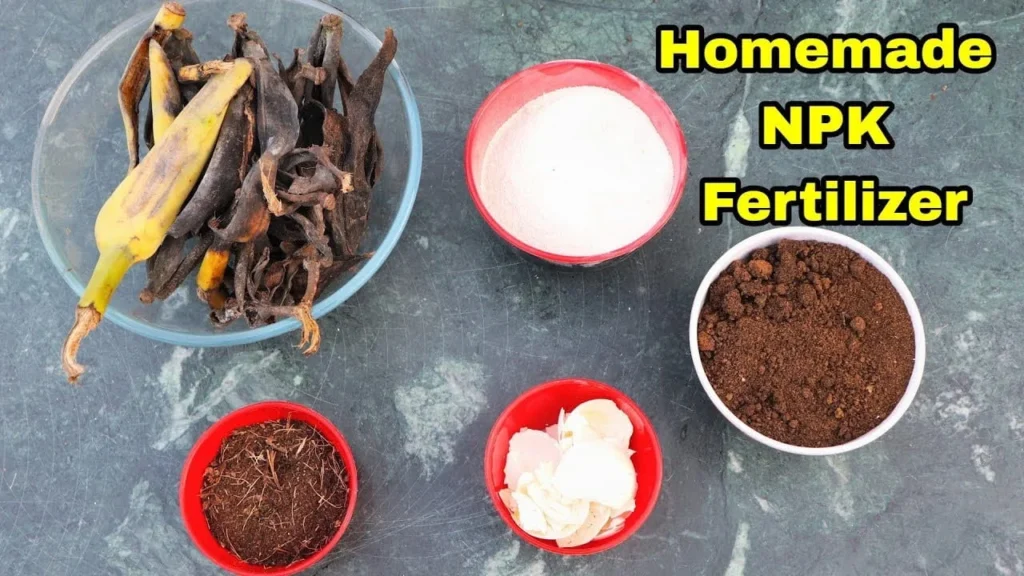
Banana Peel Tea Soak three or four dried banana peels in a gallon of water for 48 hours. The liquid pulls out a reasonable amount of potassium and can be used as a soil drench during the flowering period. It costs almost nothing and takes minimal effort.
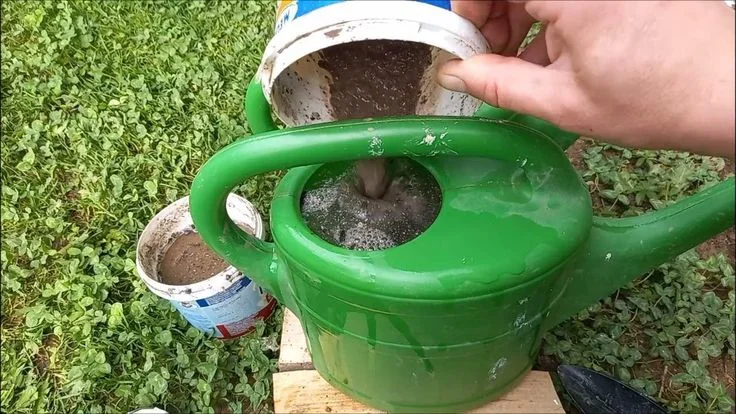
Compost Tea Fill a bucket with aged compost, add water, and let it aerate for 24 to 48 hours before straining. The liquid carries active microbes and soluble nutrients. Apply as a root drench every two to three weeks through the growing season.
Eggshell Water Boil clean eggshells, let the water cool, and use it to irrigate your beans. It delivers a mild calcium boost and gently raises pH — a practical option for gardens with more acidic soil.
Coffee Grounds Blend Used coffee grounds blended into compost add organic matter and trace nutrients. Applied directly and in large amounts, though, they can lower pH too much and create conditions that attract fungus gnats. Use them in moderation and always as part of a larger compost mix.
Phosphorus and Potassium: The Real Drivers of Bean Yield
If there’s one central takeaway from everything in this guide, it’s this: phosphorus and potassium for root growth and pod development are far more important to bean production than nitrogen. Most gardeners think of nitrogen first, but for this crop, it’s the secondary macronutrients that determine how much you actually harvest.
Phosphorus supports:
- Root hair development and colonization by beneficial mycorrhizal fungi.
- Flower initiation and successful pollination.
- Energy transfer throughout the plant, specifically through ATP.
Potassium supports:
- Cell pressure that keeps plants structurally firm and upright.
- Stomatal regulation, which helps plants handle dry periods.
- The movement of sugars and carbohydrates into developing seeds and pods.
Phosphorus deficiency in bean plants typically shows up as darkened or purple-tinged foliage, weak root systems, and flowers that arrive later than expected. Potassium deficiency presents as yellowing and browning along leaf margins, eventually leading to soft pod walls and underdeveloped seeds.
Rock phosphate, superphosphate, bone meal, and triple superphosphate are all reliable phosphorus sources for fertilizer for bean plants and most vegetables. For potassium, potassium sulfate is the preferred choice for vegetable gardens over potassium chloride, since it doesn’t introduce excess chloride into the root zone.
Common Fertilizing Mistakes With Bean Plants
Even experienced vegetable gardeners repeat these errors more often than they’d like to admit:
- Applying too much nitrogen — the most frequent mistake; produces heavy foliage growth and minimal pod development.
- Skipping inoculant in new beds — misses the opportunity to establish nitrogen-fixing bacteria where they may be absent.
- Fertilizing in dry soil — nutrients cannot move into roots without soil moisture; always irrigate before and after applying any fertilizer.
- Overlooking soil pH — at a pH of 5.5, phosphorus becomes chemically unavailable to plants even when it’s physically present in the soil.
- Placing granular fertilizer against plant stems — salt concentration causes burn damage; keep granules at least three to four inches from the base of any plant.
- Fertilizing too late in the season — feeding after pods are already half-formed produces little benefit and may push the plant into new vegetative growth at the wrong time.
FAQ: Fertilizer for Bean Plants
Q: What is the best fertilizer for bean plants grown in containers?
A: A slow-release vegetable granule with low nitrogen and higher phosphorus and potassium, mixed into potting soil at planting time, provides consistent nutrition. A monthly liquid seaweed drench helps replace nutrients that leach out through container drainage.
Q: Can I use tomato fertilizer on bean plants?
A: Most tomato fertilizers carry higher nitrogen levels than beans benefit from. If it’s the only product you have, apply it at half the recommended rate and limit use to the early seedling stage only.
Q: How often should I apply fertilizer for bean plants?
A: In soil that has been properly amended before planting, beans typically need no more than two applications — one at planting and one at the start of flowering. Applying more frequently rarely improves results and often causes problems.
Q: Do beans still need fertilizer if I use rhizobium inoculant?
A: Inoculant addresses nitrogen. Your plants will still benefit from phosphorus and potassium inputs, particularly in sandy, clay-heavy, or otherwise nutrient-poor soils.
Q: Are coffee grounds beneficial for bean plants?
A: In modest amounts incorporated into compost, yes. Applied directly and heavily, they can lower soil pH more than is desirable and may lead to drainage and pest issues.
Q: What causes yellow leaves on bean plants?
A: Yellowing in the upper leaves typically points to iron or manganese deficiency, which is often rooted in a pH imbalance. Yellowing in lower leaves with veins remaining green suggests magnesium deficiency. A soil test will identify which issue you’re dealing with.
Q: When is the right time to stop fertilizing beans?
A: Plan to stop all fertilizer applications roughly three weeks before your anticipated final harvest date.
Conclusion
Getting the nutrition right for bean plants doesn’t require a complicated program or expensive products. It requires understanding what beans actually need — and more importantly, what they don’t. Beans are not heavy feeders. They are smart feeders. When the soil biology is working and the right nutrients are present at the right times, these plants do most of the work on their own.
Start with a soil test. Build a strong organic foundation with compost. Use rhizobium inoculant if your beds are new or have been chemically treated. Focus your fertilizer inputs on phosphorus and potassium rather than nitrogen. And time your applications to match what the plant is actually doing at each growth stage.
The right fertilizer for bean plants isn’t the most expensive one on the shelf. It’s the one that matches your soil, your timing, and the biology of the crop you’re growing. Get those three things aligned, and your bean harvest will reflect it — more pods, better flavor, and plants that stay productive from first flower to final pick.