How Deep Are Pumpkin Roots? Everything Growers Need to Know
HomeHome & GardenHow Deep Are Pumpkin Roots? Everything Growers Need to Know
If you’ve ever grown pumpkins — or tried to — you already know they’re dramatic plants. The sprawling vines, the massive leaves, the fruits that seem to double in size overnight. But what’s happening underground is just as impressive, and most gardeners never stop to think about it until something goes wrong.
So, how deep are pumpkin roots, really? The short answer: deeper than most people expect. But the full picture is far more interesting than a single number.
Understanding pumpkin root depth isn’t just useful trivia. It directly shapes how you water, fertilize, space, and care for your plants across the entire growing season. Get it right, and your pumpkins thrive. Overlook it, and you’ll spend all summer wondering why your plants are wilting despite consistent watering.
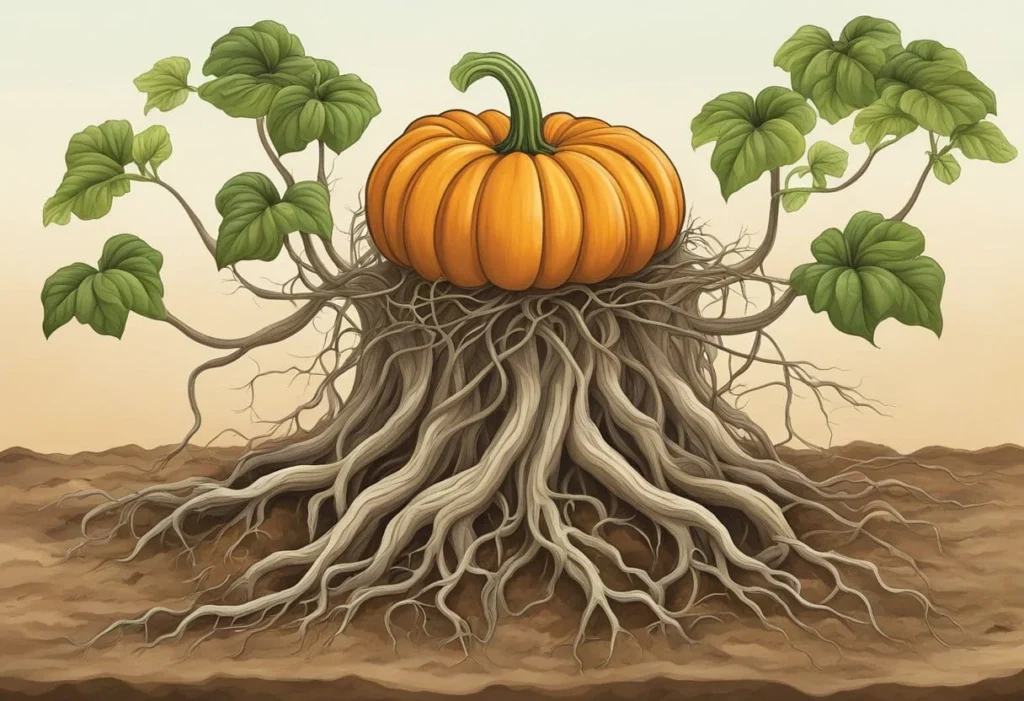
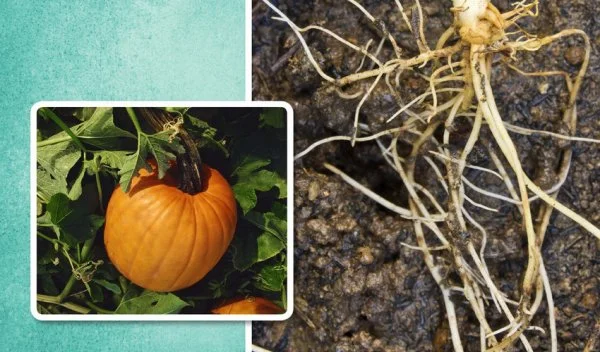
On average, how deep are pumpkin roots comes down to this: the primary taproot of a pumpkin plant can reach 18 to 24 inches deep in loose, well-drained soil. In ideal growing conditions — where there’s no hardpan, compaction, or rocky layers blocking the way — some taproots have been documented pushing past 36 inches.
But depth is only half the story.
Pumpkin plants develop a two-layer root system that works in both directions:
Taproot (primary root): Drives straight down into the soil, anchoring the plant firmly and pulling up deep moisture and nutrients.
Lateral roots (feeder roots): Fan outward horizontally, often spreading 5 to 8 feet wide from the base of the plant — and even further in large varieties.
This combination is what makes pumpkins surprisingly drought-resilient once they’re properly established. The deep taproot accesses lower soil moisture reserves, while the wide-reaching lateral roots catch surface nutrients after irrigation or rainfall.
Key Takeaway: When thinking about how deep are pumpkin roots, consider both directions — down and outward. The horizontal spread often plays a bigger role in daily nutrient uptake than vertical depth alone.
Pumpkin Root System Depth by Variety
Not all pumpkins are built the same below the surface. Root depth and spread vary considerably depending on the variety you’re growing, which is worth knowing before you plan your garden layout.
Pumpkin Variety
Avg. Taproot Depth
Lateral Root Spread
Jack-o’-lantern (standard)
18–24 inches
4–6 feet
Atlantic Giant (competition)
24–36 inches
6–10 feet
Sugar Pie (small/baking)
12–18 inches
3–5 feet
Cinderella (Rouge Vif d’Étampes)
18–24 inches
5–7 feet
Baby Boo (miniature)
8–14 inches
2–4 feet
Larger fruiting varieties naturally develop more aggressive root systems to meet the energy demands of producing heavy fruits. If you’re growing Atlantic Giants competitively, understanding how deep are pumpkin roots for that specific variety isn’t optional — their root zone can consume an enormous area of soil, far beyond what most beginners anticipate.
Pumpkin Taproot Length: What Happens Below the Surface
The taproot is the backbone of the entire root system. It’s the first root structure to form after germination, and it begins driving downward almost immediately after the seed cracks open.
Within the first two weeks of germination, the taproot can already reach 6 to 8 inches below the soil surface. By the time the first true leaves appear above ground, that taproot is already hard at work — pulling up calcium, magnesium, and stored soil moisture from lower layers.
Here’s something most growing guides leave out: the taproot is also the most vulnerable part of the entire root system. It doesn’t branch heavily, and it doesn’t regenerate easily once damaged. This is why transplanting pumpkins is notoriously risky — disturb that taproot at the wrong moment and the plant may struggle for weeks to recover, if it recovers at all.
Practical takeaway: Direct sow pumpkins whenever the season allows. If you start seeds indoors, use deep biodegradable pots — at least 4 inches deep — and get them into the ground before the taproot reaches the pot’s bottom.
How Far Do Pumpkin Roots Spread Horizontally?
This is the detail that surprises most first-time pumpkin growers. The vines are obvious — you can watch them creep across the garden day by day. What’s less visible is that the roots are doing something very similar just a few inches underground.
Pumpkin lateral roots can spread 5 to 10 feet from the main stem, roughly mirroring the path of the surface vines. In larger competition varieties, that spread can extend even further than you’d expect.
These lateral or feeder roots concentrate mostly in the top 12 inches of soil, where biological activity, organic matter, and nutrient availability are highest. They’re highly opportunistic — they follow moisture, organic matter, and loose soil wherever it exists.
Why this matters in practice:
Avoid planting shallow-rooted crops like lettuce or radishes right alongside pumpkins. The lateral roots will move in and compete aggressively.
Try not to walk through the root zone once the plant is established. Soil compaction does more damage to feeder roots than most gardeners realize.
When side-dressing with fertilizer mid-season, apply it 12–18 inches away from the main stem — that’s where the feeder roots are most active and most ready to absorb it.
Pumpkin Growing Soil Depth Requirements
Now that you have a clear picture of how deep are pumpkin roots, planning your planting site becomes much more straightforward.
Minimum Soil Depth for In-Ground Planting
For a standard garden bed, aim for at least 18 inches of loose, workable soil before hitting compacted subsoil, clay hardpan, or rock. This gives the taproot the vertical room it needs to establish properly without being forced to redirect horizontally too early.
If your native soil is heavy clay or compacted, here are three practical options:
Raised bed mounds: Build planting mounds 12–18 inches high and 3–4 feet wide at the planting site. Many experienced growers use mounds specifically for this reason — they create instant depth without any digging.
Deep tillage before planting: Work the soil 18–24 inches deep using a garden fork or tiller to break up compaction and open drainage channels.
Adding organic matter: Compost, aged manure, and biochar all improve soil structure meaningfully, creating the loose pathways that roots need to penetrate deeper.
Can You Grow Pumpkins in Containers?
Technically yes, but it takes some honest expectations. A container large enough to support a standard pumpkin plant needs to hold at least 20–25 gallons and measure at least 18 inches deep. Even then, you’re significantly limiting the root system, which puts a ceiling on fruit size and increases the plant’s sensitivity to water stress.
For container growing, miniature varieties like Baby Boo, Jack Be Little, or Small Sugar are the better choice. Their root systems are proportionally smaller and far more suited to confined growing spaces.
Best Soil Conditions for Pumpkin Roots
Understanding how deep are pumpkin roots only goes so far if the soil doesn’t support deep growth. Even a healthy, well-fed pumpkin plant won’t push a deep taproot through waterlogged or severely compacted ground.
Here’s what the root system actually needs to perform well:
Soil Texture and Structure
Pumpkins grow best in sandy loam or loamy soil — soil that drains well but still holds enough moisture between waterings. Sandy soils let roots penetrate deeply but dry out too quickly. Clay soils hold moisture but restrict root movement and create waterlogging risk.
The most practical fix for either extreme is compost. Working 2 to 4 inches of compost into the top 12 inches of soil improves both drainage and moisture retention — essentially moving your soil closer to that ideal loamy texture regardless of your starting point.
Soil pH
Pumpkin roots function best in soil with a pH of 6.0 to 6.8. Step outside that range and nutrient lockout begins — meaning the nutrients are physically present in the soil, but the roots can’t absorb them efficiently.
Test your soil before planting. Lime raises pH; sulfur lowers it. A basic soil test from a local extension service costs very little and can genuinely save a whole growing season from unnecessary problems.
Soil Temperature
Pumpkin roots don’t tolerate cold well. Soil temperature at planting depth should reach at least 60°F (15°C) before you plant, with 65–75°F being the comfortable range for strong early root development. Cold soil stalls root growth noticeably, even when air temperatures look promising.
In cooler climates, laying black plastic mulch over the bed 2–3 weeks before planting can warm the soil meaningfully and give your plants a faster start.
Drainage
There’s no flexibility here. Pumpkin roots need oxygen in the soil to function. Waterlogged soil suffocates roots quickly and creates ideal conditions for the fungal pathogens that cause root rot.
If your planting area holds standing water after rain, either build raised mounds or find a different location. Planting into a poorly drained site is one of the most reliable ways to lose a pumpkin crop.
Pumpkin Vine Root Structure: Surface Roots and Adventitious Rooting
Here’s a detail that most casual growers never encounter in basic guides: pumpkin vines are capable of forming adventitious roots — secondary root systems that develop along vine nodes wherever the vine presses against consistently moist soil.
These aren’t just biological curiosities. They serve real functions:
They supplement the main root system’s ability to take up water and nutrients
They help anchor the vine against wind movement
They can provide partial backup if the main taproot sustains damage
To encourage adventitious rooting intentionally, simply cover vine nodes with a thin layer of soil as the plant grows outward. Many experienced growers do this along the length of long vine runs to increase total root surface area and give the plant additional feeding points.
This is part of why understanding how deep are pumpkin roots is more layered than a simple measurement — the root system actively adapts and expands in response to its environment throughout the season.
Shallow vs. Deep Rooted Vegetables: Where Do Pumpkins Fit?
Root depth matters a great deal when planning companion planting, spacing, and crop rotation. Knowing where pumpkins sit in this spectrum helps you make smarter decisions about what grows near them.
Category
Rooting Depth
Example Crops
Shallow (under 12″)
Top soil feeders
Lettuce, radishes, spinach, herbs
Medium (12–24″)
Mid-depth feeders
Tomatoes, peppers, beans, corn
Deep (24″+)
Deep soil miners
Pumpkins, squash, melons, parsnips
Pumpkins belong firmly in the deep-rooted category, which carries a few important implications:
They compete directly with other deep-rooted crops for subsoil moisture and nutrients — avoid pairing them with melons, squash, or parsnips in tight spaces.
Interestingly, they can work well alongside shallow-rooted crops like lettuce or herbs, since the two root systems occupy different soil zones and don’t compete.
They benefit substantially from thorough soil preparation at depth, in ways that shallow-rooted crops simply don’t require.
For crop rotation, give your pumpkin bed a rest of at least 3 years before replanting the same family. This prevents both deep nutrient depletion and the gradual buildup of soil-borne pathogens.
Pumpkin Root Rot: Causes, Signs, and Prevention
Root rot is the most common root-related problem pumpkin growers face. Once you understand how deep are pumpkin roots and how the system functions, the logic behind prevention becomes much clearer.
Main Causes
Overwatering: Saturated soil starves roots of oxygen and provides ideal conditions for fungal growth.
Poor drainage: Produces the same outcome as overwatering, even when irrigation is conservative.
Pythium and Phytophthora species: Soil-borne water molds that specifically target roots in consistently wet conditions.
Fusarium crown rot: A fungal pathogen that attacks the root crown area, particularly in warm, wet soil.
Signs of Root Rot
Sudden wilting in a plant that has adequate soil moisture
Yellowing leaves spreading outward from the base of the plant
Brown, mushy roots visible when you gently excavate near the crown
Collapsed or darkened stem at the soil line in more advanced cases
Prevention Strategies
Water deeply but allow the top 2–3 inches of soil to dry out between sessions — pumpkins respond better to deep, infrequent watering than frequent shallow applications
Plant on raised mounds to create natural drainage away from the root zone
Lay organic mulch around the base to regulate soil temperature and reduce splash-borne spore transfer
Use drip irrigation instead of overhead watering whenever possible
Avoid digging or working in the root zone when soil is waterlogged
If root rot is caught early, removing affected tissue and applying a copper-based fungicide can sometimes salvage the plant. That said, consistent prevention is always more effective than trying to reverse damage after it’s set in.
Pumpkin Planting Depth and Spacing: Getting It Right
With a solid understanding of how deep are pumpkin roots and how far they spread, the right spacing choices start to make intuitive sense.
Seed Planting Depth
Plant pumpkin seeds 1 to 1.5 inches deep. Go deeper than 2 inches and germination rates drop — seeds simply struggle to push through the extra soil weight above them.
Plant Spacing
Bush or compact varieties: 3–4 feet between plants
Standard vining varieties: 5–6 feet between plants, in rows spaced 8–10 feet apart
Giant varieties: 8–12 feet between plants; serious competition growers sometimes dedicate an entire 20×20 foot bed to a single plant
These spacing guidelines aren’t only about the visible vines. They’re about giving the lateral root system enough territory to forage freely without bumping into competition from neighboring plants underground.
FAQ: How Deep Are Pumpkin Roots
Q: How deep are pumpkin roots compared to other squash?
Pumpkins and winter squash develop very similar root systems. Both send taproots down 18–36 inches under good conditions. Zucchini and other summer squash tend to root a bit shallower, with taproots typically staying in the 12–18 inch range.
Q: Can pumpkin roots damage underground pipes or foundations?
In most cases, no. Pumpkin roots follow the path of least resistance and are drawn toward moisture. A cracked pipe that leaks water could attract roots over time, but healthy, intact infrastructure is generally not at risk.
Q: How deep should I water pumpkins?
Water deeply enough to wet the soil to at least 12–18 inches. Deep watering encourages the roots to follow moisture downward, building a stronger and more drought-resistant root system over time. Frequent shallow watering has the opposite effect — it keeps roots near the surface where they’re more vulnerable.
Q: Do pumpkin roots grow during fruiting?
Root growth slows noticeably once the plant shifts its energy toward producing and sizing fruit. The most critical root development happens during the first 4–6 weeks of the plant’s life, which is why soil preparation and early watering habits have such a lasting impact on the plant’s overall health.
Q: Can I grow pumpkins over a septic field?
This isn’t recommended. The root spread and the root system’s natural tendency to seek moisture could potentially interfere with septic system components over time. It’s better to keep pumpkins well clear of that area.
Q: How do I know if my soil is deep enough for pumpkins?
Push a metal rod or long screwdriver straight into the soil. If it meets firm resistance before 18 inches, you likely have compaction or hardpan restricting root growth. Address it with deep tillage or raise your planting mounds to build the depth above ground instead.
Conclusion
Growing pumpkins well starts with understanding what’s happening where you can’t see it. Once you have a clear picture of how deep are pumpkin roots — how the taproot anchors the plant, how the feeder roots spread wide through the upper soil, how adventitious roots form along the vine — the rest of your decisions fall into place naturally.
Soil preparation, watering depth, plant spacing, companion planting choices — all of it connects back to the root system. Gardeners who pay attention to what’s underground tend to have far fewer problems above it.
The plants will do their part. Give the roots the space, soil, and conditions they need, and a good pumpkin harvest tends to follow.