Introduction: Can Carrots Really Handle the Heat?
Most gardeners quietly give up on carrots the moment temperatures start climbing. It’s an understandable instinct — carrots have a reputation for being cool-weather plants, and that reputation isn’t entirely wrong. But writing them off completely? That’s where a lot of productive growing seasons get cut short.
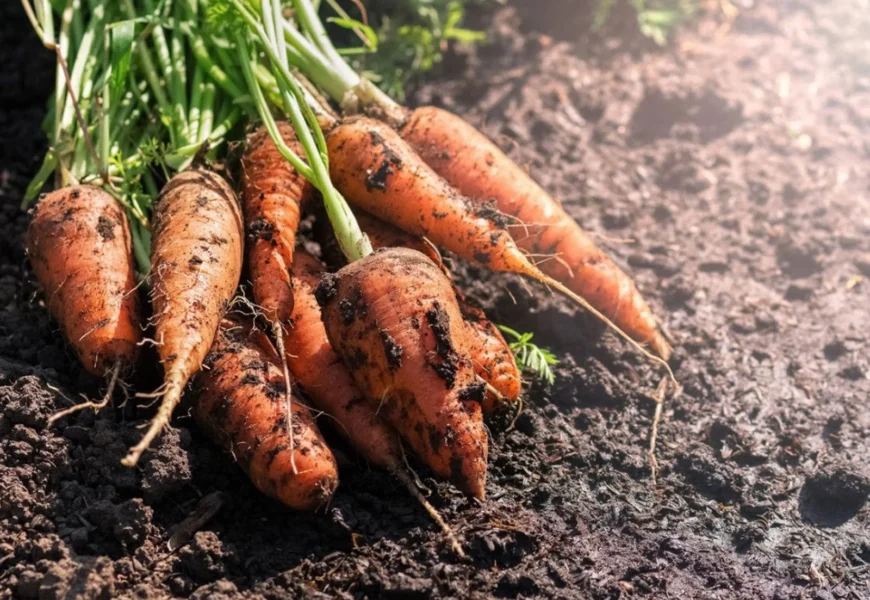
The reality is that heat tolerant carrots exist, and they work. When you match the right variety with the right growing conditions, summer carrots stop being a gamble and start being a genuine harvest.
This matters especially for gardeners in warm regions — places like Lahore, Phoenix, or the Mediterranean coast — where most standard gardening guides simply don’t apply. The advice online tends to assume mild summers and forgiving springs. If that’s not your reality, you’ve probably planted carrots that bolted early, tasted bitter, or refused to germinate at all.
This guide is written specifically for those situations. It covers which varieties hold up in real heat, how to get seeds to germinate in warm soil, and what practical steps make the biggest difference when temperatures push past comfortable growing ranges. If you’ve struggled with summer carrots before, the answers are here.
What Makes a Carrot “Heat Tolerant”?
It helps to understand the problem before jumping to solutions.
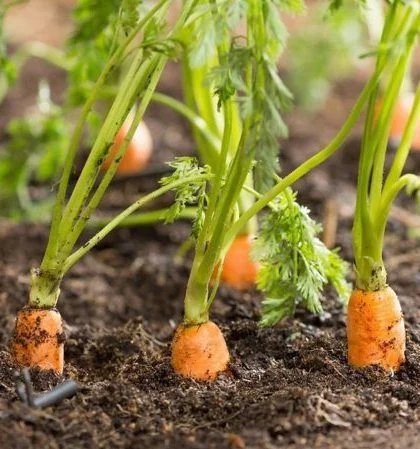
Carrots are naturally cool-season root vegetables. Their sweet spot for soil temperature sits between 60°F and 70°F (15°C–21°C). Once soil temperatures climb above 80°F (27°C), standard varieties begin to show real signs of trouble — cracked roots, bitter flavor, patchy germination, and early bolting.
Heat tolerant carrots are cultivars that have been specifically bred, or in some cases naturally selected over generations, to handle these conditions without falling apart. More precisely, they’re designed to:
- Maintain root quality at higher soil temperatures
- Resist premature bolting — going to seed before the root has fully developed
- Germinate reliably in warm soil conditions
- Retain sweetness and texture even when heat stress builds up
- Develop proper orange pigmentation despite temperature swings
The difference between a heat tolerant variety and a standard one often comes down to genetics — specifically, bolting resistance genes and the way the plant’s root cells respond to thermal stress. Slow-bolting carrot cultivars have been a serious focus for plant breeders for decades, particularly for agricultural markets in tropical and subtropical regions where cool-season windows are short or nonexistent.
Understanding this helps explain why variety selection matters so much. You’re not just picking a carrot — you’re picking a plant that’s been built for conditions like yours.
Top Heat Tolerant Carrot Varieties Worth Growing
Not every carrot handles heat the same way. Some varieties crack under pressure. Others quietly get on with it. The ones listed below have earned consistent results across warm climates and are worth knowing by name.
1. Imperator 58
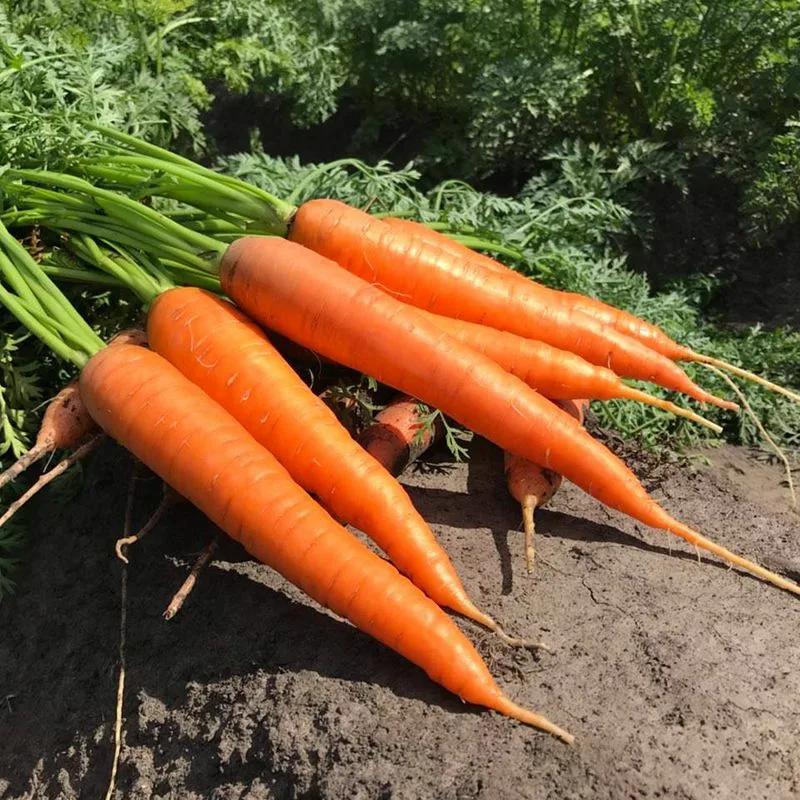
Imperator 58 is one of the most widely grown commercial heat tolerant carrots in warm regions, and there are good reasons for that. It produces long, tapered roots with excellent flavor even when summer soil temperatures climb.
For high temperature vegetable gardening, it stands out as a reliable first choice among heat tolerant carrots — germination holds steady, and root development stays strong under stress that would derail most standard varieties.
2. Danvers 126
Danvers carrots have always had a reputation for adaptability, and the 126 strain lives up to it. It handles clay-heavy and compacted soils better than most, and it doesn’t lose flavor quality when temperatures swing. For warm climate carrot growing, Danvers 126 is the kind of dependable variety that doesn’t demand perfect conditions — it just produces.
3. Kuroda
Kuroda is probably the most important heat tolerant carrot for gardeners across Asia, where it’s widely grown in Japan, India, and throughout Southeast Asia. The roots are thick and blocky, rich in beta-carotene, and remarkably heat resistant. Kuroda germinates well even when soil temperatures push past 75°F, and it holds its sweetness through summer conditions that most other varieties simply can’t survive.
4. Chantenay Red Core
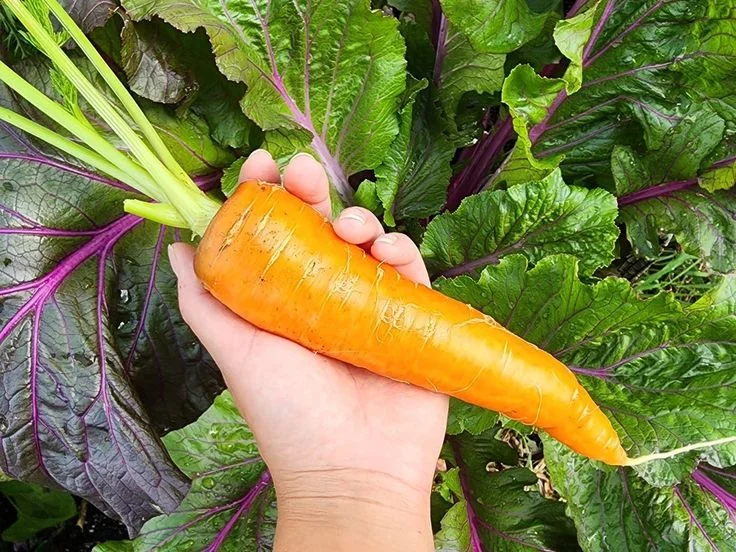
Short, broad, and genuinely tough — Chantenay Red Core thrives where longer varieties struggle. Its compact root length makes it especially suited for heavier soils, and as a drought resistant root vegetable, it handles dry spells better than most. If your soil isn’t ideal and your summers are harsh, Chantenay Red Core is a practical, low-fuss choice.
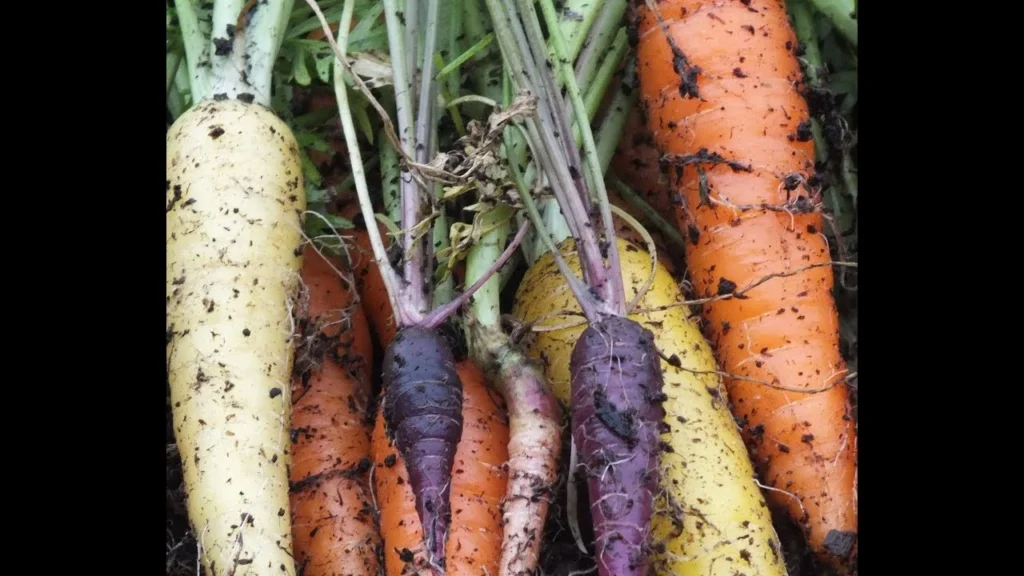
5. Solar Yellow
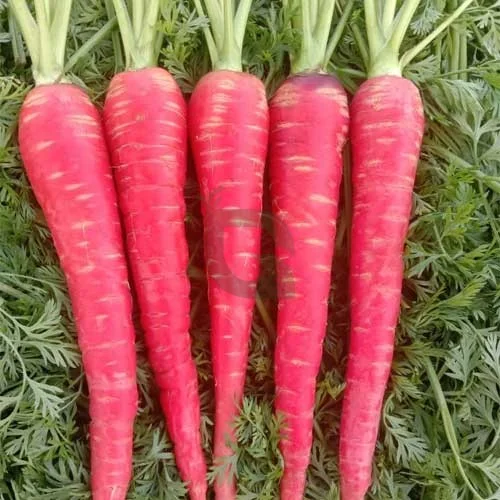
Solar Yellow doesn’t always get the recognition it deserves. It produces vibrant yellow roots with a mild, sweet flavor and shows strong bolting resistance in warm conditions. Among summer carrot varieties, it’s one of the better options for gardeners who want something a little different without sacrificing performance.
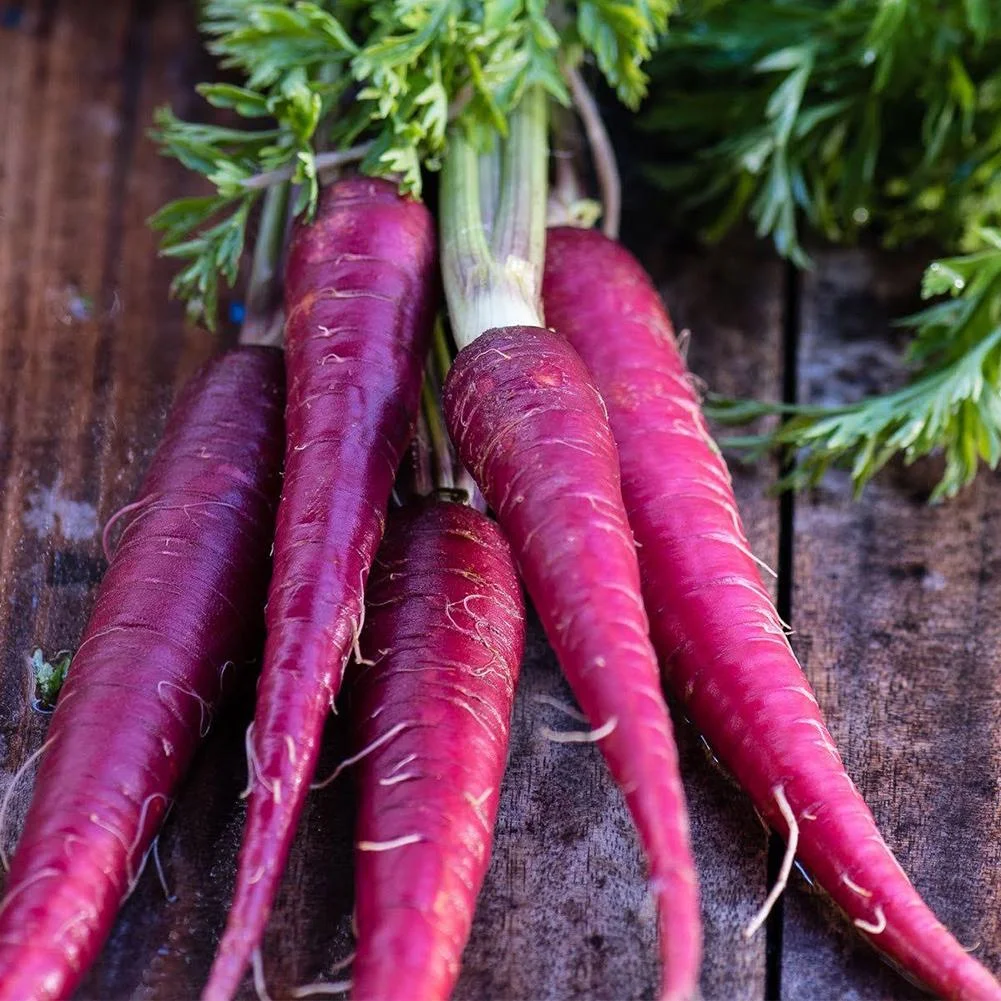
6. Cosmic Purple
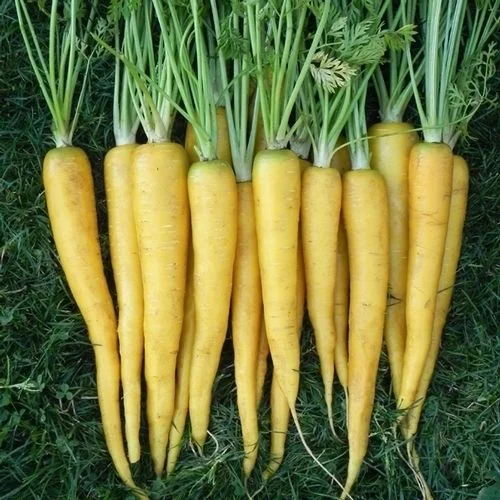
This heirloom variety tends to surprise people. With a purple exterior and orange interior, Cosmic Purple is visually striking — but its heat adaptability is what earns it a place on this list. It performs particularly well in raised bed environments where managing summer heat is more straightforward.
Comparison Table: Heat Tolerant Carrot Varieties at a Glance
| Variety | Root Shape | Heat Resistance | Best For | Days to Maturity |
|---|---|---|---|---|
| Imperator 58 | Long, tapered | High | Row gardens | 75–80 days |
| Danvers 126 | Medium, tapered | High | Clay soils | 70–75 days |
| Kuroda | Short, blocky | Very High | Warm climates | 70–80 days |
| Chantenay Red Core | Short, broad | High | Heavy/dry soils | 65–75 days |
| Solar Yellow | Medium | Medium-High | Raised beds | 70 days |
| Cosmic Purple | Medium | Medium-High | Raised beds | 70–80 days |
Carrot Germination in Warm Soil: The Biggest Challenge
Getting heat tolerant carrots to germinate in summer is, without question, the hardest part of the process. Carrot seeds are famously finicky under ideal conditions. In warm soil above 80°F, germination rates can fall below 50% — and the seeds that do sprout often face damping-off disease before they have a chance to establish.
The good news is that several practical techniques significantly improve germination success. None of them are complicated, but each one makes a real difference.
Pre-soak your seeds. Soaking carrot seeds in cool water for 4–6 hours before planting jumpstarts the germination process and shortens the window during which seeds sit vulnerable in hot soil. It’s a simple step that many gardeners skip and then wonder why germination is patchy.
Plant in the evening. Evening planting allows seeds to settle overnight before facing peak daytime heat. Soil temperatures drop noticeably after sunset, and that cooler window gives seeds a gentler, more stable start.
Use shade cloth. A 30–40% shade cloth placed over the seeded bed reduces soil surface temperature by 10–15°F. Once seedlings reach about 2 inches tall, the cloth comes off. It’s a small investment that pays off consistently.
Keep the soil consistently moist. In hot weather, this may mean light watering twice a day until sprouts emerge. A thin layer of vermiculite pressed over the seeded row helps retain moisture without allowing a hard crust to form on the surface.
Try the burlap method. Lay a piece of damp burlap or an old cotton cloth directly over the seeded row. Check it every day and remove it the moment sprouts appear. This technique is old-fashioned but genuinely effective at holding moisture and protecting the surface from baking in direct sun.
Carrot germination in warm soil takes more attention than cool-season planting. But with these steps in place, the success rate improves substantially.
Managing Heat Stress in Root Vegetables
Heat stress in root vegetables is not just about wilting leaves or slow growth. For carrots specifically, prolonged heat triggers a chain of quality problems that affect the root from the inside out.
- Forking and cracking — roots split as they push deeper into soil searching for cooler, moister layers
- Bitterness — terpenoid compounds increase under heat stress, producing a sharp, unpleasant flavor
- Poor coloration — carotenoid development slows when soil temperatures stay too high
- Bolting — the plant abandons root development entirely and redirects energy toward producing seed
Managing heat stress in a heat tolerant carrot crop requires several strategies working together, not just one.
Mulching is the single most effective step. A 3–4 inch layer of straw, wood chips, or shredded leaves over the carrot bed can reduce soil temperature by up to 20°F. In terms of impact per effort, nothing else comes close.
Water deeply, not frequently. Shallow watering keeps moisture near the surface — exactly where heat stress is most severe. Watering deeply every 2–3 days pushes moisture down to where roots are actively developing. Drip irrigation is the most efficient way to do this consistently.
Plan your harvest timing carefully. Even the best heat tolerant carrots have their limits. Aim to harvest before soil temperatures settle consistently above 85°F. Many experienced warm-climate gardeners structure their season specifically around this — planting for a late spring harvest or an early autumn harvest, using heat tolerance to extend the window at both ends rather than trying to grow straight through peak summer.
Warm Climate Carrot Growing: Soil Preparation Matters
In warm climates, the work you do before planting has a bigger influence on results than most people expect. Hot weather accelerates moisture loss and can turn the top layer of soil into something closer to baked clay — not an environment where carrot roots develop well.
Loosen the soil deeply. Carrots need at least 12 inches of loose, workable soil. In compacted ground, roots fork, twist, and struggle to develop straight. A broadfork or thorough deep-tilling before planting makes a measurable difference.
Add organic matter generously. Finished compost improves moisture retention and helps regulate soil temperature at the same time. Work in 3–4 inches before planting. One note: avoid fresh manure. It causes forking in carrot roots and can introduce pathogens into the bed.
Consider raised beds for summer planting. For the best carrots for raised beds in summer, fill with a mix of topsoil, compost, and coarse sand. This blend stays loose, drains well, and doesn’t overheat the way dense native soil can.
Check your soil pH. Target a range of 6.0–6.8. In hot weather, nutrient uptake becomes less efficient across the board, and poor pH compounds that problem. A basic soil test before the season saves a lot of frustration later.
Carrot Bolting Prevention: Keep Your Crop Productive
Bolting is one of the most frustrating things that can happen to a summer carrot crop. The moment a carrot sends up a flower stalk, root development stops. The root becomes woody and inedible almost overnight, and the plant’s productive life is essentially over.
Heat tolerant carrots — especially slow-bolting carrot cultivars like Kuroda and Danvers — are bred to delay this response. But selecting the right variety is only part of the answer.
Avoid dramatic temperature swings. Sharp differences between hot days and cool nights are a known bolting trigger. Consistent mulching helps regulate soil temperature and reduces the stress that pushes plants into reproductive mode.
Never let the soil dry out completely. Water stress is one of the primary triggers for premature bolting. When moisture is consistent, the plant reads conditions as stable and continues developing the root. When the soil swings between wet and dry, the plant interprets that as a signal to reproduce quickly before conditions get worse.
Harvest at the right moment. Most heat tolerant carrot varieties reach maturity between 65–80 days. Don’t leave them in the ground longer than necessary during summer. Harvesting at medium size — rather than waiting for maximum size — consistently produces better flavor and reduces bolting risk.
Remove bolting plants immediately. If one plant in your bed starts to bolt, pull it out right away. Ethylene gas released by stressed plants can trigger bolting responses in neighboring plants, and the problem spreads faster than most gardeners expect.
Best Carrots for Raised Beds in Summer
Raised bed gardening gives summer carrot growers a meaningful advantage. When you control the soil, you control the growing environment — and that control matters more in summer than at any other time of year.
Prioritize depth. Build or use raised beds at least 12 inches deep. Shallower beds restrict root development and heat up faster all the way through — the opposite of what heat tolerant varieties need to perform well.
Use reflective mulch. Silver or white reflective mulch laid on the surface of raised beds redirects sunlight rather than absorbing it, reducing soil temperature noticeably. This is a technique used in commercial high temperature vegetable gardening operations, and it translates well to home scale.
Orient your bed thoughtfully. In the Northern Hemisphere, an east-west bed orientation limits the amount of intense afternoon sun hitting the soil surface directly. For gardens in South Asia — particularly during May through August — this simple adjustment makes a real difference.
Top variety picks for raised beds:
- Kuroda — compact root, strong heat tolerance, doesn’t need the deep loose soil that longer varieties require.
- Chantenay Red Core — short root suits shallower beds without sacrificing yield.
- Solar Yellow — adapts well to container-style raised bed setups.
Drought Resistant Root Vegetables: How Carrots Compare
Among drought resistant root vegetables, carrots sit in an interesting middle position. They handle dry conditions better than most people assume, but they’re not as forgiving as parsnips or beets in prolonged drought.
Heat tolerant carrots have a natural advantage here. Their root structure tends to be more compact than standard varieties, which means they explore available soil moisture more efficiently. Varieties like Chantenay Red Core and Kuroda show particularly good drought adaptability — both were developed in agricultural environments where water isn’t always reliable.
| Vegetable | Drought Tolerance | Heat Tolerance | Flavor Under Stress |
|---|---|---|---|
| Carrot (heat tolerant) | Moderate | High | Good if managed |
| Parsnip | High | Low | Stays good |
| Beet | Moderate-High | Moderate | Good |
| Turnip | High | Moderate | Acceptable |
| Radish | High | Low-Moderate | Spicy when stressed |
For gardeners in arid warm climates, pairing heat tolerant carrots with drip irrigation produces consistently strong results — steady moisture delivery without waterlogging the root zone.
High Temperature Vegetable Gardening: Seasonal Strategy
The most effective approach to high temperature vegetable gardening with carrots is timing your seasons intelligently rather than fighting peak heat directly.
Zone 9–10 gardeners (Southern US, Pakistan, India, Middle East): Plant heat tolerant carrots from late September through November for a winter harvest, then again from late January through February for a spring harvest. Use the peak summer months to prepare and amend beds rather than trying to push through impossible conditions.
Zone 7–8 gardeners (Mediterranean, mild US South): A March–April planting gives a solid harvest before the worst heat arrives. A second planting in August–September uses heat tolerance to handle residual summer warmth through early autumn.
Zone 6 and cooler: Standard varieties perform well here, but heat tolerant varieties still give you a wider planting window at both ends of the season — useful in years when spring or autumn runs warmer than expected.
The practical takeaway is this: heat tolerant carrots aren’t a replacement for cool-season growing strategy. They’re a way to extend it — to capture harvests in those shoulder-season windows that standard varieties simply can’t reach.
FAQ: Heat Tolerant Carrots
Q: What is the best heat tolerant carrot variety for beginners?
Kuroda is the strongest starting point for most beginners. It germinates reliably in warm soil, grows a compact root that works across a range of soil types, and holds its flavor well even when summer temperatures climb.
Q: At what temperature do carrots stop growing properly?
Root development slows significantly when soil temperatures exceed 80°F (27°C). Above 85°F, most standard varieties show serious stress. Heat tolerant varieties push that threshold by roughly 5–10 degrees, giving you a longer productive window.
Q: Can I grow carrots in full sun during summer?
Yes — but only with active soil temperature management. Thick mulch, deep watering, and afternoon shade where possible make full-sun summer growing viable. Heat tolerant carrot varieties handle direct sun better than standard types, though soil temperature control remains essential regardless of variety.
Q: How do I prevent my carrots from bolting in summer?
Choose slow-bolting cultivars, keep soil moisture consistent, mulch heavily, and harvest on schedule. The combination of variety selection and moisture management is what makes the real difference.
Q: Do heat tolerant carrots taste different from regular carrots?
Not in any meaningful way when managed properly. Well-grown heat tolerant carrots — especially Kuroda and Danvers — produce sweet, flavorful roots that compare favorably with cool-season harvests. The key is consistent watering and harvesting before heat stress accumulates too long.
Q: Is it worth growing carrots in a hot climate?
Yes, genuinely. With the right variety and a few practical techniques, gardeners in warm climates can produce quality carrots during shoulder seasons and mild winters. Heat tolerant carrots make this achievable without the constant disappointment that comes with planting standard varieties in conditions they weren’t built for.
Q: How deep should I plant carrot seeds in summer?
Plant carrot seeds about ¼ inch deep in summer — slightly shallower than cool-season recommendations. This positions seeds in moist soil while avoiding the slower germination and rot risk that comes with planting too deep in warm conditions.
Conclusion: Summer Carrots Are Worth the Effort
Growing carrots in heat is not the easiest task in the garden — but it’s far more achievable than most people believe. The key shift is moving from guessing to knowing: knowing which varieties were built for warm conditions, knowing how to prepare your soil before the heat sets in, and knowing the small practical steps that make the biggest difference when temperatures climb.
Heat tolerant carrots like Kuroda, Danvers 126, and Chantenay Red Core aren’t specialty crops available only to commercial farmers. They’re accessible, widely available, and genuinely productive when given the right start.
If you’ve tried summer carrots before and been disappointed, the problem almost certainly wasn’t the effort you put in — it was the variety you chose or a gap in one part of the process. With the right information, that changes completely.
Start with one heat tolerant variety this season. Mulch the bed properly, soak your seeds before planting, water deeply rather than lightly, and pay attention to your harvest timing. The results tend to surprise people — especially those who had written summer carrots off entirely. Sometimes the crops that seem hardest are simply the ones that haven’t been given the right conditions yet.