Michigan is one of the most rewarding — and most challenging — states to garden in. You get four genuine seasons, rich soil in many regions, and enough rainfall to keep most plants happy through the summer. But you also deal with surprise late frosts, patches of heavy clay, and a growing season that feels like it ends just when things are getting good.
If you are serious about planting in Michigan, enthusiasm alone will not carry you far. What you actually need is a solid plan — one built around the state’s climate patterns, soil conditions, and regional growing zones. That is exactly what this guide covers, from the first seed you start indoors in March to the garlic you tuck into the ground before November.
Understanding Michigan’s Growing Zones
Before you spend a dollar on seeds or transplants, find out your USDA Hardiness Zone. Michigan spans zones 5a through 6b, and that range makes a real difference in what you can grow and when.
Here is a quick regional breakdown:
| Region | Zone | Characteristics |
|---|---|---|
| Upper Peninsula | 4b – 5a | Short seasons, cold winters |
| Northern Lower Peninsula | 5a – 5b | Cool springs, early frosts |
| Central Michigan | 5b – 6a | Moderate, balanced seasons |
| Southwest Michigan | 6a – 6b | Warmest zone, longest season |
| Detroit / Southeast | 6a – 6b | Urban heat effect, longer growing window |
Southwest Michigan — particularly the Fruit Belt running along Lake Michigan — sits in one of the most favorable gardening climates in the entire state. The lake’s moderating effect keeps temperatures more stable, making it ideal for peaches, cherries, blueberries, and wine grapes. Gardeners in that region have a genuine advantage.
Knowing your zone tells you which perennials will survive your winters, when to start seeds indoors, and which plants simply are not worth the effort regardless of how carefully you tend them.
Michigan Frost Dates: The Numbers That Drive Every Decision
No single factor shapes planting in Michigan more directly than frost dates. Plant too early and a late freeze takes out your seedlings overnight. Plant too late and an early fall frost cuts your harvest short before crops fully mature.
Average Last Spring Frost Dates by Region
| Region | Last Spring Frost |
|---|---|
| Upper Peninsula | May 20 – June 5 |
| Northern Lower Michigan | May 10 – May 20 |
| Central Michigan | May 1 – May 10 |
| Southwest Michigan | April 20 – May 1 |
| Southeast Michigan | April 15 – April 25 |
Average First Fall Frost Dates by Region
| Region | First Fall Frost |
|---|---|
| Upper Peninsula | September 10 – September 20 |
| Northern Lower Michigan | September 20 – October 1 |
| Central Michigan | October 1 – October 10 |
| Southwest Michigan | October 10 – October 20 |
| Southeast Michigan | October 15 – October 25 |
Most Michigan gardeners are working with a growing window of 130 to 160 days — tight, but very workable when you plan well. Succession planting, cold frames, and row covers can push that window meaningfully in both directions.
Michigan Planting Calendar: Month-by-Month Breakdown
A dependable Michigan planting calendar removes a lot of the guesswork that trips up newer gardeners. Here is how to approach each part of the year with intention:
January – February: Planning Season
- Order seed catalogs and finalize your plant selections.
- Test and repair tools before the season rush begins.
- Start onions and leeks indoors toward the end of January.
- Review your growing zone and adjust any plans accordingly.
March: Indoor Seed Starting Begins
- Start peppers, tomatoes, and eggplant indoors — roughly 6 to 8 weeks before your last frost date.
- Begin cole crops including broccoli, cabbage, and cauliflower.
- Check soil temperature regularly with a probe thermometer.
April: Careful Outdoor Starts
- Direct sow cold-tolerant crops: peas, spinach, lettuce, kale.
- Transplant hardened cole crops outdoors.
- Keep a close eye on late cold snaps — they are common across Michigan in April and can catch even experienced gardeners off guard.
May: Main Planting Season Begins
- After your last frost date passes, transplant tomatoes, peppers, cucumbers, and squash.
- Direct sow beans, corn, carrots, and beets.
- May is the peak month for planting in Michigan — gardens across the state come to life during this window.
June – July: Warm Season Growing
- Succession plant lettuce, radishes, and beans every two to three weeks.
- Monitor for common Michigan pests: squash vine borer, Japanese beetles, and aphids.
- Water deeply and consistently — at least one inch per week, more during heat spells.
August: Fall Planting Prep
- Direct sow a second round of spinach, kale, radishes, and turnips.
- Start fall brassicas for late-season harvests.
- Begin hardening off any fall transplants ahead of cooler nights.
September – October: Harvest and Closeout
- Harvest winter squash, pumpkins, and root vegetables before hard freezes.
- Plant garlic bulbs in October for next year’s harvest.
- Mulch perennial beds before the ground freezes solid.
Michigan Soil Preparation: The Foundation of Every Garden
Healthy plants start with healthy soil, and Michigan’s soil is anything but consistent. In the southwestern Lower Peninsula, you will find well-draining sandy loams that warm up quickly in spring. Move east or north and heavy clay becomes the real challenge. The Upper Peninsula presents its own set of conditions — thin, acidic forest soils that need significant attention before they support a productive garden.
How to Assess Your Soil
A soil test through Michigan State University Extension is the smartest starting point. It costs very little and gives you a full picture of your pH levels, nutrient content, and organic matter percentage. Most Michigan gardens perform best with a soil pH between 6.0 and 7.0.
Common Michigan Soil Problems and Fixes
Heavy Clay Soil:
- Amend with compost, aged manure, or peat moss.
- Add coarse sand only in large quantities — adding small amounts actually makes clay worse.
- Consider raised beds if you need immediate results this season.
Sandy Soil:
- Build water retention with consistent additions of compost and organic matter.
- Mulch heavily to slow evaporation during dry stretches.
- Feed more frequently since nutrients leach through sandy soil faster.
Acidic Soil (common under conifers or in the UP):
- Apply agricultural lime to gradually raise pH.
- Test annually and adjust until you reach a stable balance.
Low Organic Matter:
- Till in three to four inches of compost before the season begins.
- Use cover crops like winter rye or crimson clover in fall to build soil health over time.
Good soil preparation is the highest-return investment you can make before planting in Michigan. The time you put into the soil early in the season pays back in fewer problems and better harvests throughout.
Michigan Vegetable Garden Schedule: What to Plant and When
Growing vegetables in Michigan is very achievable. The key is working with the season rather than pushing against it.
Cool-Season Vegetables (Plant Early Spring and Fall)
These crops thrive in cooler temperatures and can handle a light frost without damage:
- Lettuce – Direct sow 4 to 6 weeks before last frost.
- Spinach – One of the earliest crops you can put in the ground.
- Peas – Sow as soon as soil consistently reaches 45°F.
- Kale – Frost actually improves the flavor.
- Broccoli – Transplant 2 to 3 weeks before last frost.
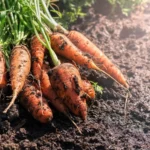
- Carrots – Direct sow 3 to 4 weeks before last frost.
Warm-Season Vegetables (Plant After Last Frost)
These crops need warm soil and cannot survive frost at any stage:
- Tomatoes – The most grown crop in Michigan home gardens.
- Peppers – Need warm nights to thrive; black plastic mulch helps warm the soil faster.
- Cucumbers – Direct sow or transplant after soil reaches 60°F.
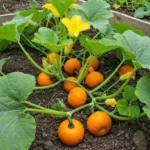
- Zucchini and Summer Squash – Fast-growing and consistently high-yield.
- Sweet Corn – Direct sow after last frost; plant in blocks for proper pollination.
- Beans – Direct sow only after soil hits at least 55°F.
High-Value Michigan Crops Worth Prioritizing
- Garlic (fall planted, harvested the following summer).
- Potatoes (plant mid-April in southern zones).
- Blueberries (Michigan leads the country in blueberry production — the climate is ideal).
- Asparagus (a long-term perennial investment that pays off for decades).
Michigan Native Plants: Garden With Nature, Not Against It
One of the most practical decisions a Michigan gardener can make is adding native plants to the mix. These plants evolved here over thousands of years. They are adapted to Michigan’s soils, rainfall patterns, temperature swings, and native pollinators. Once established, they require significantly less maintenance than imported ornamentals — less watering, less feeding, and rarely any intervention for pests or disease.
Top Michigan Native Plants for Home Gardens
Perennial Flowers:
- Black-Eyed Susan (Rudbeckia hirta) — Drought-tolerant and a consistent draw for pollinators.
- Wild Bergamot (Monarda fistulosa) — Attracts native bees and hummingbirds reliably.
- Purple Coneflower (Echinacea purpurea) — Beautiful, medicinal, and extremely adaptable.
- Michigan Lily (Lilium michiganense) — Striking orange blooms native to this state.
- Blue Wild Indigo (Baptisia australis) — Deep-rooted and long-lived once established.
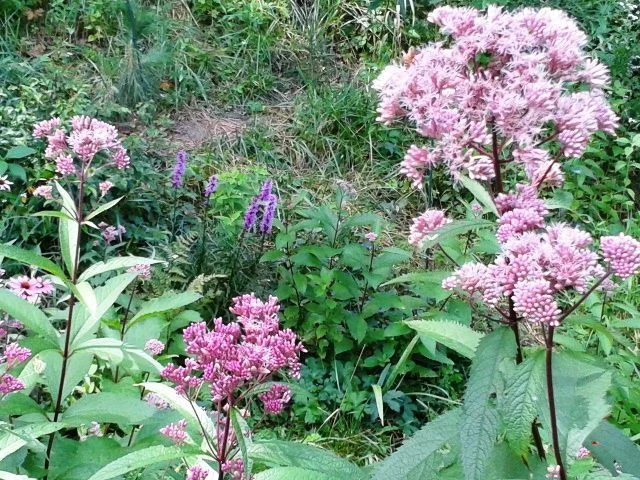
Grasses and Groundcovers:
- Little Bluestem (Schizachyrium scoparium) — Spectacular fall color, excellent structure.
- Wild Ginger (Asarum canadense) — A reliable groundcover for shaded areas.
Shrubs:
- Buttonbush (Cephalanthus occidentalis) — Particularly suited to wet or low-lying areas.
- Nannyberry (Viburnum lentago) — A valuable food source for birds and wildlife.
- Serviceberry (Amelanchier spp.) — Edible berries and outstanding spring bloom.
Incorporating Michigan native plants into your planting in Michigan plan also supports the state’s native bee populations, which have been declining in recent years. It is a choice that benefits your garden and the broader ecosystem at the same time.
Cold Hardy Plants for Michigan: What Survives the Winter
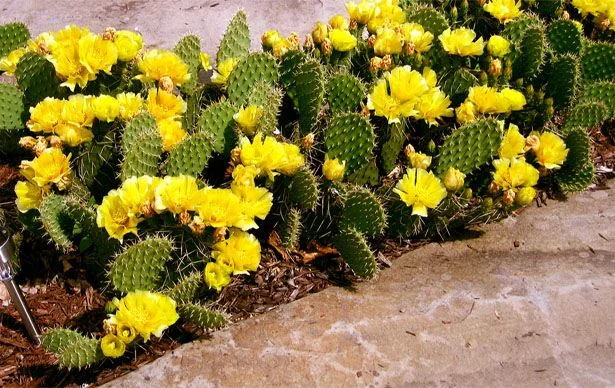
Michigan winters are serious. Zone 5 gardeners regularly see temperatures fall to -10°F or lower, and even zone 6 areas face extended cold periods. Anyone committed to planting in Michigan knows that building your garden around cold hardy plants Michigan gardeners can count on is one of the best long-term strategies available — because a garden that survives the winter is a garden that keeps giving year after year.
Cold Hardy Perennials
- Hostas (zones 3–9) — Virtually indestructible across Michigan’s range.
- Daylilies — Low maintenance, dependable, and available in hundreds of varieties.
- Sedum (Stonecrop) — Thrives in poor soil and handles brutal winters without complaint.
- Russian Sage — Drought-tolerant once roots establish, stunning late-season color.
- Peonies — These actually perform better with cold winters; Michigan’s climate suits them perfectly.
Cold Hardy Shrubs
- Lilac (Syringa vulgaris) — Thrives in zones 4 and 5 with almost no intervention.
- Arrowwood Viburnum — Native, cold-hardy, and genuinely wildlife-friendly.
- Forsythia — Reliably one of the first signs that winter is finally over.
- Spirea — Simple to grow and available in a wide range of forms and sizes.
Cold Hardy Vegetables
- Kale — Survives light snow and continues producing through hard frosts.
- Brussels Sprouts — Flavor genuinely improves after frost exposure.
- Garlic — Winter-planted and completely adapted to cold-ground conditions.
- Parsnips — Can stay in the ground through winter and be harvested in early spring.
Best Trees to Plant in Michigan
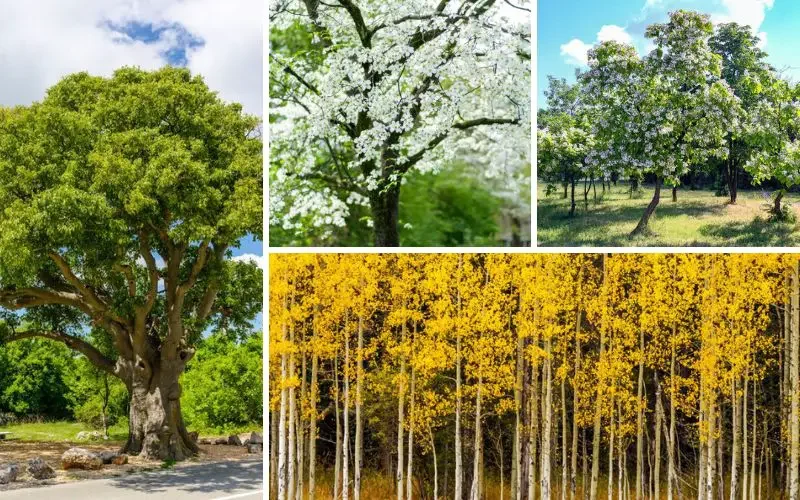
Trees are long-range investments. The best trees to plant in Michigan are ones that handle zone 5 to 6 winters reliably, resist common Michigan diseases, and provide lasting value — whether that means shade, fruit, wildlife habitat, or seasonal beauty.
Shade Trees
- Sugar Maple (Acer saccharum) — Michigan’s state tree; fall color that is genuinely unmatched.
- Red Oak (Quercus rubra) — Fast-growing with strong shade and excellent wildlife value.
- American Linden (Tilia americana) — Fragrant summer flowers and a graceful natural form.
- Bur Oak (Quercus macrocarpa) — Exceptional drought tolerance once the root system establishes.
Fruit Trees
- Apple — Michigan ranks among the top apple-producing states nationally; dozens of varieties are well-suited here.
- Tart Cherry — The Traverse City region is world-renowned for tart cherry production.
- Pear — Asian pear varieties perform especially well in zones 5 and 6.
- Plum — More cold-hardy than peaches and productive across most of Michigan.
Ornamental Trees
- Serviceberry (Amelanchier) — Native, edible fruit, and attractive across multiple seasons.
- Redbud (Cercis canadensis) — Brilliant spring bloom display in southern Michigan.
- Flowering Dogwood — Best suited to zone 6 areas in the southwest part of the state.
When timing your tree plantings, fall is generally the better choice. Cooler temperatures reduce transplant stress and give roots time to settle before winter arrives.
Spring Gardening in Michigan: Getting the Timing Right
Spring in Michigan has a personality of its own. A stretch of warm days in March can disappear under six inches of snow two weeks later. Anyone who has spent time planting in Michigan knows that the calendar is only part of the picture — the soil, the forecast, and a fair amount of patience all play an equal role in getting the timing right.
Key spring gardening Michigan tips worth following:
- Use soil temperature, not air temperature — A soil thermometer is one of the most useful tools you can own. Most vegetable seeds germinate based on ground conditions, not what the forecast shows.
- Harden off transplants properly — Move seedlings outdoors for gradually increasing time each day over 7 to 10 days before placing them in the ground permanently.
- Watch for heaving — Freeze-thaw cycles in late winter and early spring can push perennial roots partially out of the soil. Press them back down and mulch right away.
- Start with raised beds — Soil in raised beds warms faster than in-ground beds, often giving you a two to three week advantage at the start of the season.
- Do not rush tomatoes — Cold soil slows tomato growth significantly and can set plants back for weeks. Wait until soil temperature consistently holds at 60°F, which typically means late May across most of Michigan.
Spring is the most energizing time for planting in Michigan — but the gardeners who hold their timing and read the conditions carefully almost always come out ahead of those who plant too early.
Container Gardening in Michigan: Extending Your Season
Not every gardener has a yard, and even those who do can find real value in container gardening Michigan style. Containers let you start plants early, grow varieties that need protection from frost, and extend your season on both ends by moving pots indoors when temperatures drop.
Best Crops for Michigan Container Gardens
- Tomatoes — Use at least a 5-gallon container; dwarf and patio varieties are best suited.
- Peppers — Handle containers well and can be brought inside before the first frost to extend harvest by weeks.
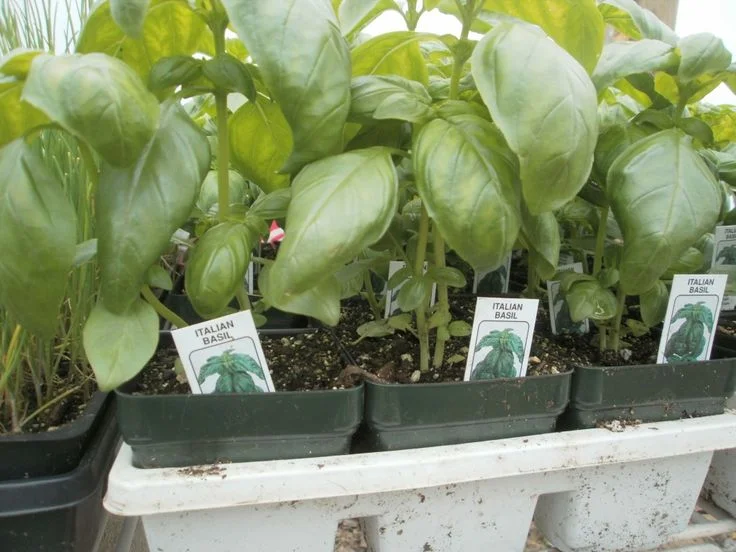
- Herbs — Basil, parsley, cilantro, and chives all thrive in containers near a kitchen door.
- Lettuce and greens — Ideal for shallow containers; plant in succession for a continuous supply.
- Strawberries — Work beautifully in hanging baskets or tiered planters.
Container Tips for Michigan’s Climate
- Always use a quality potting mix — garden soil compacts in containers and limits root growth.
- Containers dry out faster than in-ground beds, especially during summer heat waves; check moisture daily.
- In hot weather, dark-colored containers absorb heat and can overheat roots; light-colored pots are a better choice.
- Move containers to a garage or sheltered area before hard freezes to protect both plant and container.
- Terracotta pots crack in Michigan winters — store them indoors after the season or switch to resin or fabric containers that handle cold without damage.
Container gardening genuinely extends what is possible with planting in Michigan, particularly for gardeners working with limited outdoor space or shorter growing windows in northern regions.
Frequently Asked Questions: Planting in Michigan
Q: When is the best time to start planting in Michigan?
For warm-season crops across most of the Lower Peninsula, the safe outdoor window opens somewhere between late April and late May depending on your specific region. Cool-season crops can go in 4 to 6 weeks before your last frost date.
Q: What vegetables grow best in Michigan?
Tomatoes, peppers, cucumbers, beans, corn, kale, lettuce, peas, carrots, garlic, and blueberries all perform exceptionally well across Michigan’s various growing zones.
Q: How do I find out my frost date in Michigan?
Michigan State University Extension and the USDA Plant Hardiness Zone Map are the most reliable local resources. Your specific zip code gives you the most accurate frost window for your area.
Q: Can I grow fruit trees in Michigan?
Absolutely. Apples, tart cherries, pears, and plums are all well-suited to Michigan’s climate. The southwest region is particularly favorable because of Lake Michigan’s moderating influence on winter temperatures.
Q: What native plants work well in a Michigan garden?
Black-eyed Susan, purple coneflower, wild bergamot, serviceberry, and little bluestem are all excellent Michigan native plants that require very little care once established.
Q: Is Michigan good for gardening?
Yes, genuinely. Michigan offers rich soil in many regions, consistent rainfall, and a four-season climate that supports a wide range of plants. With thoughtful planning around frost dates and growing zones, planting in Michigan can be both productive and deeply satisfying.
Q: What is the easiest vegetable to grow in Michigan?
Zucchini, beans, and kale consistently rank among the most reliable crops for Michigan gardeners. All three are high-yield, low-maintenance, and well-adapted to the state’s growing season.
Conclusion
Planting in Michigan is not about fighting the climate — it is about learning to work with it. Once you understand your growing zone, respect your frost dates, and put real effort into your soil before the season starts, a lot of things that seemed difficult become straightforward.
Michigan gives gardeners a lot to work with. The soil in many regions is genuinely productive. Rainfall is generally reliable. The four-season structure, while challenging, creates natural rhythm that experienced gardeners actually appreciate — a real winter to rest and plan, a spring that rewards patience, a summer that delivers, and a fall that offers one more round of planting before the ground closes.
Whether you are growing vegetables for your table, planting native species to support local pollinators, or putting in trees that your grandchildren will one day sit beneath — planting in Michigan supports all of it.
Some of the most productive home gardens in the country are right here in Michigan, tended by people who took the time to understand the conditions and plan accordingly. The more you invest in learning what planting in Michigan truly requires, the more this state gives back to you season after season
Start where you are. Improve your soil. Choose plants suited to your zone. And give yourself a full season before judging the results. Gardening in Michigan rewards people who pay attention — and it has a way of becoming one of the most grounding, satisfying practices in a person’s regular life.