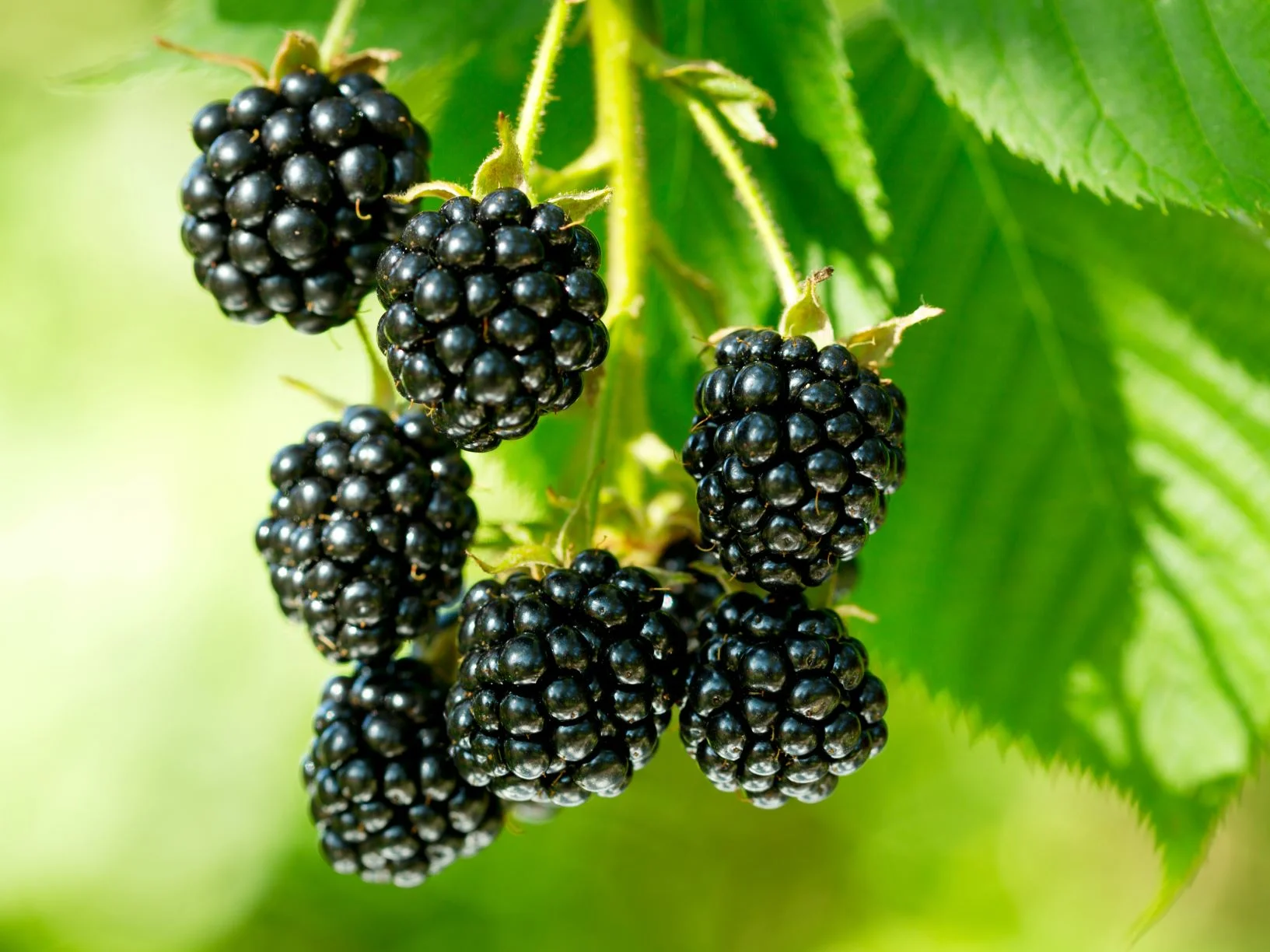
Blackberries are one of the most satisfying fruits to grow at home. They’re juicy, naturally sweet, and rich in antioxidants. In many ways, they seem to take care of themselves. But when you want canes that are genuinely loaded with plump, full-sized berries season after season, your plants need reliable, quality nutrition throughout the year.
The good news is that you don’t need to spend money on commercial products to make that happen. The best homemade fertilizer for blackberries can be prepared right in your own kitchen or backyard, using materials you likely already have on hand.
Gardeners who shift to natural, DIY feeding methods consistently notice stronger canes, more abundant harvests, and improved soil condition over time. This guide walks through everything — what nutrients blackberries actually require, the most effective homemade recipes, and practical timing tips that produce real results in your garden.
What Do Blackberries Actually Need to Thrive?
Before you start mixing anything together, it’s worth understanding what blackberry plants genuinely need at each stage of growth. These are vigorous, heavy-feeding shrubs, and their nutritional demands change as the season progresses.
The three core nutrients every blackberry plant needs:
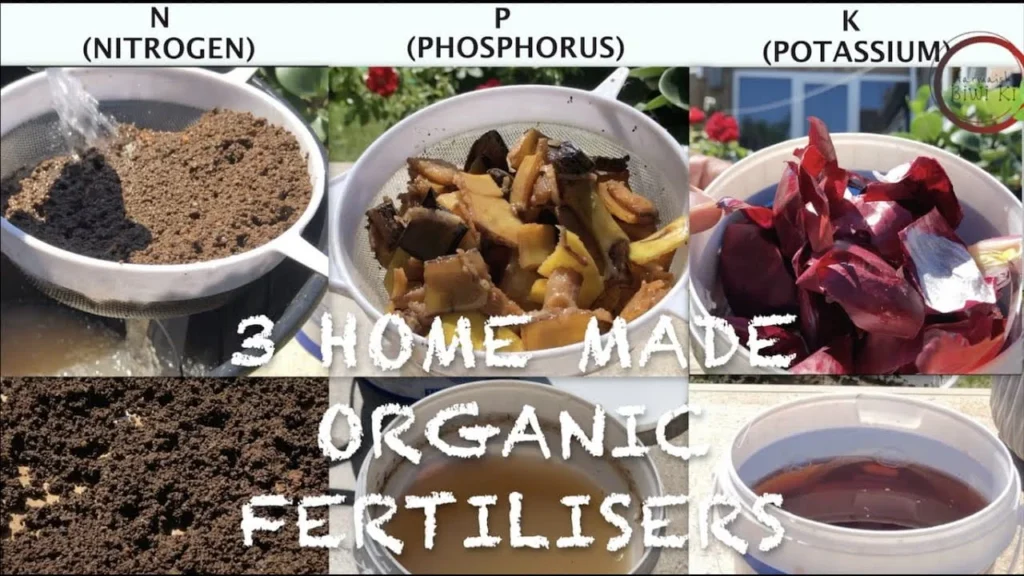
- Nitrogen (N) — Drives strong, leafy cane growth, particularly in spring when plants are pushing new shoots
- Phosphorus (P) — Supports healthy root development and reliable fruit set
- Potassium (K) — Improves overall berry quality, disease resistance, and the plant’s ability to regulate water
Beyond the N-P-K foundation, blackberries also respond well to magnesium, calcium, iron, and sulfur. The good news is that all of these trace elements are naturally present in well-made compost and organic soil amendments — which is one more reason to prioritize homemade inputs.
Blackberries also perform best in slightly acidic soil, with a pH ideally sitting between 5.5 and 6.5. When pH climbs too high, nutrient uptake weakens across the board, regardless of how much you feed. A well-rounded blackberry soil amendment plan should always address both nutrition and pH at the same time.
Why Go Homemade? The Case for DIY Plant Nutrition
Synthetic fertilizers produce fast results, but they carry real tradeoffs that compound over time. They can gradually acidify soil, disrupt beneficial microbial communities, and leach into nearby groundwater. Homemade alternatives, by comparison, release nutrients slowly, build better soil structure, and cost very little to produce.
Preparing your own homemade fertilizer for blackberries also gives you complete visibility into what’s going into your soil. There are no mystery ingredients, no synthetic coatings, and no guesswork. Just real organic material that nourishes both your plants and the living ecosystem beneath the surface.
Research from the Rodale Institute has shown that organically managed soils consistently outperform conventional systems in long-term productivity and biological activity. For home growers, the principle is straightforward — invest in feeding the soil, and the soil will take care of feeding your plants.
Best Homemade Fertilizer for Blackberries: Proven Recipes
1. Compost — The Foundation of Organic Berry Feeding
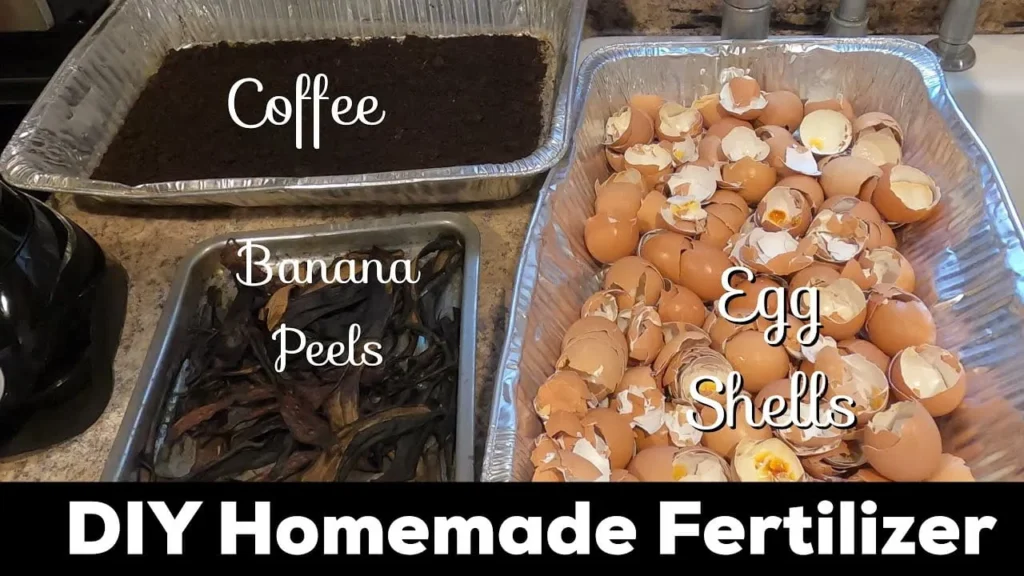
If there’s one practice every blackberry grower should build their routine around, it’s composting. Organic compost for berry bushes works as a slow-release, balanced fertilizer that simultaneously improves soil texture, drainage, and microbial activity.
What to compost for blackberries:
- Fruit and vegetable scraps
- Grass clippings — a reliable nitrogen source
- Dried leaves — an essential carbon material
- Coffee grounds (covered in more detail below)
- Eggshells — a natural calcium source
- General garden trimmings
Apply 2–3 inches of finished compost around the base of each plant every spring. Work it gently into the top layer of soil, keeping it clear of direct cane contact. This single consistent habit can produce a measurable improvement in both soil health and berry yield across multiple growing seasons.
Pro tip: Blend compost with aged wood chips to create a mulch layer that holds moisture and continues breaking down into the soil throughout the season.
2. Coffee Grounds — A Targeted Acid Boost
Coffee grounds for blackberry bushes is among the most commonly searched home remedies in berry gardening — and the interest is well-founded. Coffee grounds contain roughly 2% nitrogen, along with trace amounts of potassium and phosphorus. They also help sustain the slightly acidic pH that blackberries naturally prefer.
How to use coffee grounds correctly:
- Spread a thin layer — no more than half an inch — around the drip line of each plant
- Blend them into compost rather than applying them raw in thick deposits
- Combine with dried leaves to prevent surface compaction
One thing to be careful about: piling grounds directly against the canes can cause issues. In larger quantities, raw coffee grounds compact easily and can actually repel water rather than absorb it. Used with restraint, or incorporated into compost, they become a genuinely useful component of any homemade fertilizer for blackberries routine.
3. Banana Peel Fertilizer — A Potassium Power-Up
Banana peels are among the most potassium-dense kitchen scraps you can add to your homemade fertilizer for blackberries routine. Potassium is one of the most critical minerals for fruit development and overall plant resilience. During the flowering and fruiting phases, blackberry plants draw heavily on potassium reserves, making banana peels a well-timed and completely cost-free amendment that is easy to source from your own kitchen every week.
Two practical methods:
Buried peels: Dig shallow holes near the base of your plants and bury fresh or dried banana peels a few inches below the surface. They decompose within weeks, releasing potassium directly into the root zone where it’s needed most.
Banana peel tea: Soak 3–4 peels in a gallon of water for 48 hours, then strain and apply the liquid as a soil drench. This homemade liquid fertilizer for berry plants is fast-acting, completely cost-free, and easy to prepare in batches.
4. Grass Clipping Tea — A Nitrogen-Rich Fertilizer for Berries
Fresh grass clippings are one of the most accessible sources of quick-release nitrogen available to home gardeners. In early spring, when blackberry canes are producing new growth, a nitrogen boost makes a visible difference in vigor and productivity.
How to make grass clipping fertilizer tea:
- Fill a bucket about two-thirds full with fresh grass clippings
- Fill the rest with water
- Allow it to steep for 3–5 days, giving it a stir each day
- Strain out all the solid material
- Dilute the remaining liquid at a 1:10 ratio with water before use
Apply the diluted tea directly to the soil at the base of your plants. This nitrogen-rich fertilizer for berries performs best in spring during active cane development. Keep it off the foliage and direct it into the root zone instead.
5. Eggshell Calcium Amendment
Calcium tends to get overlooked when preparing homemade fertilizer for blackberries, but it plays a meaningful role in cell wall strength and the plant’s natural resistance to disease. Eggshells are composed of approximately 93% calcium carbonate and break down gradually in soil, providing a steady long-term calcium source that supports your blackberry plants through every stage of the growing season.
How to use them effectively:
- Dry the eggshells thoroughly, then crush them into a fine powder using a mortar and pestle or a blender
- Work the powder into the soil around each plant
- Add crushed shells to your compost pile to enrich the finished product with calcium
When used in larger amounts, crushed eggshells can also help neutralize overly acidic soil conditions, making them a flexible blackberry soil amendment for growers who need to manage pH from both directions.
6. Kitchen Scraps Compost Tea — A Full-Spectrum Liquid Feed
Kitchen scraps compost for blackberries doesn’t have to mean spreading solid material across the soil surface. Brewing it into a liquid delivers nutrients more quickly and allows them to penetrate deeper into the root zone with each application.
Compost tea recipe:
- Pack finished compost into a breathable bag — an old pillowcase works well
- Submerge the bag in a 5-gallon bucket filled with water
- Add a small amount of unsulfured molasses to encourage microbial activity
- Aerate the mixture using an aquarium pump for 24–48 hours
- Apply the finished tea to the soil immediately after brewing
This process produces a microbe-rich liquid that supports both plant nutrition and long-term soil biology. It’s one of the most complete and well-rounded forms of homemade fertilizer for blackberries that you can create from everyday kitchen waste.
7. Wood Ash — A Potassium and pH Modifier
Wood ash from untreated hardwood has been used as a garden amendment for generations, and the science supports its continued use. It contains potassium, calcium, and a range of trace minerals, and it raises soil pH — which makes it useful for growers whose soil tests below 5.5.
Application guidelines:
- Limit application to no more than 1–2 pounds per 100 square feet annually
- Always test your soil pH before applying — excess ash can push pH too high for blackberries
- Mix it into the top 2–3 inches of soil in early spring before the growing season begins
Only use ash from untreated hardwood when preparing homemade fertilizer for blackberries. Ash from treated lumber, charcoal, or coal contains harmful compounds that have no place in a food garden and can do more damage than good to your plants and soil over time.
How to Feed Blackberry Plants Naturally: A Seasonal Schedule
The timing of your applications matters just as much as the ingredients you choose. Here is a practical seasonal feeding guide to keep your plants well-nourished throughout the year:
| Season | Action | Best Homemade Option |
|---|---|---|
| Early Spring | Boost nitrogen for cane growth | Grass clipping tea, compost |
| Late Spring | Support flowering | Banana peel tea, compost |
| Summer | Feed fruiting plants | Compost tea, diluted liquid feeds |
| Post-Harvest (Fall) | Rebuild soil reserves | Top-dress with compost + eggshells |
| Winter | Protect and condition soil | Mulch with compost and wood chips |
Best pH Level for Blackberry Soil: Getting It Right
The best pH level for blackberry soil falls between 5.5 and 6.5. Outside of this range, even the most carefully prepared homemade fertilizer for blackberries will underperform. Nutrient availability drops significantly in soils that are either too alkaline or too acidic, so pH management is not optional — it’s foundational.
How to adjust pH naturally:
- Soil too alkaline (above 6.5): Introduce sulfur, pine needle mulch, or coffee grounds to bring pH down gradually
- Soil too acidic (below 5.5): Apply crushed eggshells or wood ash in modest amounts to raise pH
Test your soil each spring with an inexpensive pH meter or basic test kit. It takes only a few minutes and gives you the information needed to make every other input more effective.
DIY Blackberry Plant Nutrients: Comparison Table
| Ingredient | Primary Nutrient | Best Use | Application Method |
|---|---|---|---|
| Compost | N-P-K balanced | All seasons | Top-dress or dig in |
| Coffee grounds | Nitrogen, acidity | Spring & summer | Sprinkle or compost blend |
| Banana peels | Potassium | Flowering & fruiting | Bury or liquid steep |
| Grass clippings | Nitrogen | Spring growth | Brewed tea, diluted |
| Eggshells | Calcium | All seasons | Crushed powder or compost |
| Wood ash | Potassium, calcium | Spring (test first) | Mixed into soil |
| Compost tea | Broad spectrum | Growing season | Soil drench |
Common Mistakes to Avoid
Even well-intentioned homemade fertilizer for blackberries programs can cause problems when the inputs are misapplied. These are the most common errors home gardeners make:
- Over-applying nitrogen in summer: Excess nitrogen late in the season redirects energy toward leafy growth rather than fruit production and leaves plants more vulnerable to cold damage.
- Ignoring pH: Fertilizing without addressing pH is one of the most common reasons plants fail to respond — nutrients simply aren’t available in the wrong soil environment.
- Applying feeds to dry soil: Always water your plants thoroughly before applying liquid fertilizers to reduce the risk of root burn.
- Using raw kitchen scraps directly: Undecomposed material attracts pests and can introduce harmful pathogens — always allow materials to fully compost before use.
- Skipping fall feeding: The period after harvest is critical for rebuilding the root energy reserves that drive next season’s growth.
Natural Fertilizer for Fruit Bushes: Works Beyond Blackberries
Most of the recipes covered in this guide translate naturally to other fruiting shrubs in your garden. As a natural fertilizer for fruit bushes, these approaches work well for raspberries, blueberries, gooseberries, and currants. These plants share similar core nutritional needs and respond positively to the same organic feeding methods. What works as a homemade fertilizer for blackberries can, with only minor adjustments, serve your entire berry garden just as effectively. If you manage a mixed berry patch, you can apply the majority of these techniques across all your shrubs with only small modifications based on each plant’s preferred pH range.
FAQ Section
Q: How often should I apply homemade fertilizer for blackberries?
A: Solid amendments like compost are best applied twice a year — once in spring and once in fall. Liquid feeds such as grass clipping tea or compost tea can be applied every three to four weeks throughout the active growing season.
Q: Can I use too much homemade fertilizer on blackberries?
A: Yes, over-application is possible even with organic materials. Excess feeding — particularly with nitrogen-heavy inputs — can encourage too much leafy growth at the expense of fruit and may cause root stress. Apply in moderation and observe your plants’ response before adjusting.
Q: How to feed blackberry plants naturally if I have no outdoor composting space?
A: A small countertop compost bin or a simple bucket system works well in limited spaces. Even collecting coffee grounds and banana peels regularly provides a meaningful nutrient source. Vermicomposting — using worms to process kitchen scraps — is particularly well-suited to small indoor or balcony setups.
Q: Are coffee grounds suitable for all blackberry varieties?
A: Yes. Most blackberry varieties, including popular thornless types like Navaho and Apache, benefit from the mild acidity and nitrogen content that coffee grounds provide. Use them as part of a broader feeding routine rather than as a standalone input.
Q: What is the best homemade liquid fertilizer for berry plants?
A: Both compost tea and banana peel tea are strong options, each serving a slightly different purpose. Compost tea delivers a broad range of nutrients along with beneficial soil microbes, while banana peel tea provides a focused potassium boost that is particularly valuable during the flowering and fruiting periods.
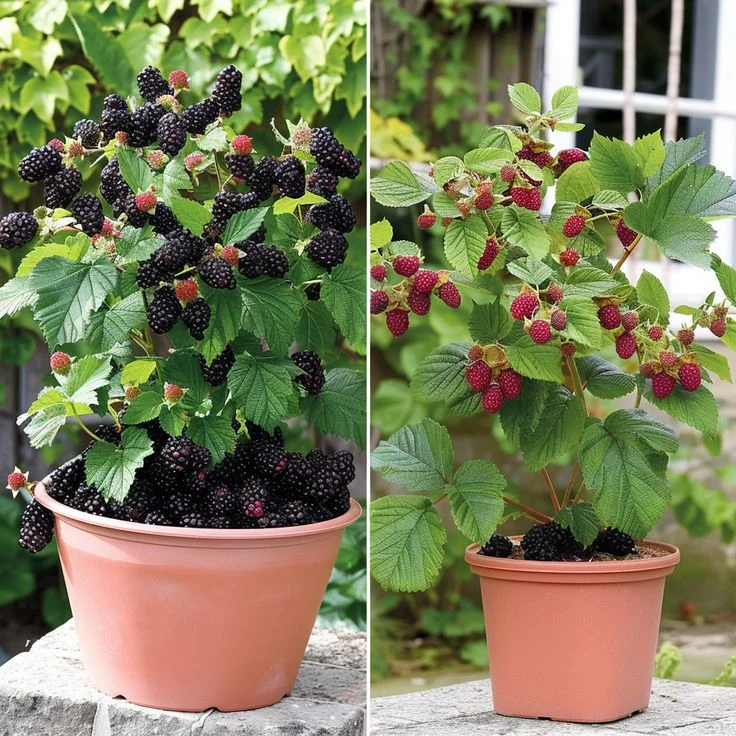
Q: Can I use homemade fertilizer for blackberries grown in containers?
A: Absolutely. Container-grown blackberries actually benefit from more frequent liquid feeding because nutrients leach out faster through drainage holes than they do in garden beds. Diluted compost tea applied every two to three weeks during the growing season works very well for potted plants.
Q: Do I need to test my soil before applying homemade fertilizers?
A: A basic soil test is strongly recommended before starting any feeding program. It gives you accurate data on your current pH and nutrient levels so that your inputs are targeted and effective, rather than based on assumption.
Conclusion
Growing blackberries at home is genuinely one of the more rewarding things you can do in a garden. And feeding them well doesn’t have to be complicated or expensive. As this guide shows, some of the most effective inputs come straight from your kitchen counter or compost bin.
The truth is, once you start making your own homemade fertilizer for blackberries, you begin to see the garden differently. Those coffee grounds you were about to throw away, the banana peels sitting on the counter, the grass clippings from last weekend’s mow — they all have a second life as real plant nutrition. Nothing goes to waste, and your blackberries are better for it.
What makes this approach work isn’t any single ingredient. It’s the consistency. Gardeners who feed their soil regularly, test their pH, and match their inputs to the season are the ones who end up with canes so full they need extra support. That kind of result doesn’t come from a bag of synthetic fertilizer — it comes from paying attention and working with what nature already provides.
Start simple with your homemade fertilizer for blackberries. Add compost this spring. Save your coffee grounds. Steep a batch of banana peel tea when your plants start flowering. Small, steady habits build up over time into genuinely healthier soil and noticeably better harvests.
Your blackberry plants are already doing most of the work. Give them the right nutrition, and they’ll give you more fruit than you expected — season after season.