Growing pole beans is one of the most satisfying experiences a home gardener can have. They climb steadily up their supports, produce generously through the season, and taste far better fresh from the vine than anything you’d find at a grocery store. But there’s one thing many gardeners — especially those just starting out — tend to overlook entirely: pole bean fertilizer.
When you feed your plants correctly, the results speak for themselves. Pods fill in fast, plants stay healthy through the heat, and you end up harvesting more than you expected. When you get it wrong, though, you often end up with beautiful green foliage and almost no beans to show for it.
This guide walks through everything that actually matters — NPK ratios, application timing, organic versus synthetic options, container feeding, and the mistakes most people only learn about after a disappointing season.
Why Pole Beans Have Unique Fertilizer Needs
Pole beans belong to the legume family, which gives them a distinct advantage over most other vegetables. They form a cooperative relationship with soil bacteria called Rhizobium, which allows them to pull nitrogen directly from the atmosphere and convert it into a usable form. This process, called nitrogen fixation, happens at small nodules that form on the roots — and it fundamentally changes how you should approach pole bean fertilizer.
With most vegetables, applying a nitrogen-rich fertilizer is a reasonable default. With pole beans, it tends to backfire. Too much nitrogen in the soil encourages the plant to put its energy into producing large, leafy growth rather than flowers and pods. You end up with an impressive-looking plant that barely produces anything worth picking.
That said, pole beans are not completely self-sufficient. During the first few weeks after germination, before those root nodules fully develop, the plants rely more on what’s already in the soil. And during peak pod production, the nutritional demand rises again. Knowing when to step in — and when to leave well enough alone — is the real skill here.
Soil quality plays a major role too. Even the best fertilizer strategy falls short in compacted, nutrient-depleted, or poorly draining soil. Building healthy soil before your seeds go in is always time well spent.
Understanding NPK Ratios for Pole Beans
Walk into any garden center and you’ll see fertilizer bags covered in three numbers. Those numbers represent nitrogen (N), phosphorus (P), and potassium (K) — and for pole beans, the balance between them matters more than the total amount.
Here’s what each nutrient actually does for bean plants:
- Nitrogen (N): Drives leaf and stem development. Since beans fix their own nitrogen, adding more is rarely beneficial and often counterproductive.
- Phosphorus (P): Supports strong root development, healthy flower formation, and consistent pod set. This is where you want to focus.
- Potassium (K): Strengthens overall plant health, improves resistance to stress and disease, and contributes to better yield over the long season.
The best NPK ratio for pole bean fertilizer leans low on nitrogen and higher on the other two — something like 5-10-10 or 4-8-8 works very well. Some gardeners use a 10-20-20 blend at planting, applied lightly and watered in well, to give the root system a strong early foundation.
What you want to avoid is anything designed for lawns or heavy-feeding crops. A product with an NPK of 30-0-4, for example, will push your bean plants almost entirely into leaf production. The pods simply won’t come.
Comparison Table: Fertilizer Types for Pole Beans
| Fertilizer Type | NPK Example | Best Use | Pros | Cons |
|---|---|---|---|---|
| Granular balanced | 5-10-10 | At planting, side-dress | Easy to apply, slow release | Can burn if over-applied |
| Liquid organic | 3-5-5 | Mid-season boost | Fast uptake, gentle on plants | Needs reapplication |
| Compost | Variable ~1-1-1 | Soil prep, top dressing | Builds soil structure over time | Nutrient levels inconsistent |
| Slow-release granules | 4-6-4 | Season-long feeding | Low maintenance after application | More expensive, less precise |
| Bone meal | 3-15-0 | Planting hole amendment | Excellent phosphorus source | No potassium, needs pairing |
| Fish emulsion | 5-1-1 | Early growth stage | Rich in micronutrients | Strong odor during application |
When to Apply Pole Bean Fertilizer
The timing of your feeding program matters just as much as the product you choose. Using the right pole bean fertilizer at the wrong stage of growth can either waste your effort or actively work against you.
Before Planting: Soil Preparation
The single most impactful step you can take happens before a single seed goes in the ground. Work two to three inches of compost into your planting beds. This improves drainage, adds slow-release nutrients, feeds the microbial life in your soil, and gives your plants the kind of environment they genuinely thrive in.
If you’re working with soil that has been depleted by previous heavy-feeding crops like corn or tomatoes, mix in a low-nitrogen starter fertilizer — a 5-10-10 product applied at the label’s recommended rate — and incorporate it into the top four to six inches of soil. Also take a moment to check your soil pH. Pole beans do best between 6.0 and 7.0. Outside that range, nutrients become chemically locked in the soil and unavailable to roots, regardless of how much fertilizer you apply.
At Planting: A Light, Careful Start
Some gardeners add a small amount of granular pole bean fertilizer directly to the planting row, keeping it at least two to three inches away from the seeds to prevent root burn. Bone meal or a low-nitrogen balanced blend works well here. Others skip this step entirely if the soil was well-amended beforehand — and honestly, both approaches produce good results when the soil is healthy.
One step that’s easy to overlook but genuinely worth doing: coat your seeds with a legume inoculant before planting. This is a dry powder containing Rhizobium bacteria. It ensures the nitrogen-fixing relationship gets established early, particularly in soil that hasn’t grown beans or other legumes in recent seasons.
4–6 Weeks After Germination: First Side-Dressing
Once your plants are established and climbing steadily, a light side-dressing of pole bean fertilizer can help push flower development. Keep this application focused on phosphorus and potassium. Scatter granules a few inches out from the base of the plants and water everything in thoroughly so nutrients move down toward the roots.
Liquid options — fish emulsion, diluted vegetable fertilizer, or a seaweed-based blend — work equally well at this stage and tend to be absorbed quickly. They’re especially useful in containers and raised beds where nutrients leach out faster due to frequent watering.
During Heavy Pod Production: Optional Feeding
When your plants are producing pods at full speed, their nutritional demands increase. A light liquid feed every two to three weeks during this phase can help sustain yield and prevent the plant fatigue that sometimes sets in during the back half of the season. Many gardeners notice plants beginning to yellow or slow down — a targeted boost of phosphorus and potassium often brings them back.
Avoid nitrogen at this stage entirely. It will redirect energy away from pod development and back into vegetative growth, which is the last thing you want when production is already underway.
Best Organic Pole Bean Fertilizer Options
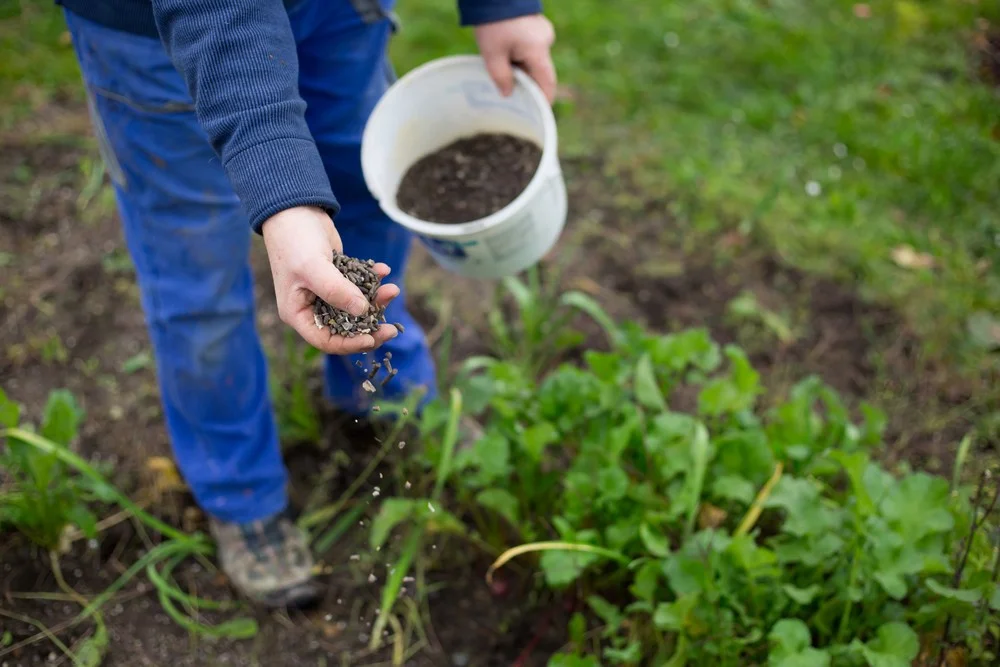
A growing number of home gardeners prefer to keep their vegetable gardens organic — particularly those growing food for their families. The good news is that organic feeding strategies align naturally with what pole beans actually need, and they’re very hard to overdo.
Top organic choices for pole beans:
- Compost: The most foundational option. Adds a wide range of micronutrients, improves soil texture, and feeds the microbial life that makes other nutrients available to roots.
- Espoma Garden-Tone: A well-regarded organic granular blend with an NPK of roughly 3-4-4, well-suited for legumes and vegetable gardens.
- Dr. Earth Home Grown Vegetable Fertilizer: Formulated specifically for edibles and includes beneficial soil microbes that enhance nutrient uptake.
- Jobe’s Organics Vegetable & Tomato: Available in easy-to-use granules or spikes with a 2-7-4 ratio — a natural fit for pole bean fertilizer needs.
- Fish and seaweed emulsion blends: Deliver a broad spectrum of micronutrients including zinc, magnesium, and iron that synthetic products frequently miss.
Organic fertilizers release their nutrients gradually as soil microbes break down the organic material. This makes them far more forgiving than synthetic products — difficult to over-apply, and with consistent use, they improve soil quality with each passing season.
Chemical vs. Organic Pole Bean Fertilizer: Which One Is Actually Better?
This question comes up often, and it deserves an honest answer rather than a blanket recommendation.
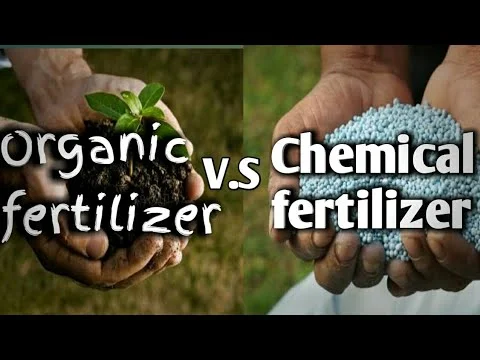
Synthetic fertilizers deliver nutrients in immediately available forms. They’re faster-acting, easier to dose precisely, and generally less expensive. A water-soluble product like Miracle-Gro can provide a quick correction when you notice a deficiency mid-season. The trade-off is that synthetic products don’t improve soil structure, can lead to salt accumulation over time with heavy use, and require careful application to avoid pushing excess nitrogen into bean plants.
Organic fertilizers work more slowly but tend to produce steadier, more balanced plant growth. They support the microbial community in your soil, which in turn makes nutrients more accessible to roots over the long term. For a garden you plan to maintain year after year, the investment in organic feeding pays off noticeably over time.
For most home gardeners growing pole bean fertilizer programs around food production, organic methods make practical sense — especially in households with children or anyone prioritizing low-chemical produce. That said, there’s no reason to avoid a targeted synthetic application if you’re dealing with an acute deficiency and need a quick response.
The approach many experienced gardeners land on is a sensible middle ground: amend the soil with compost before planting, use an organic granular at the start of the season, and keep a liquid organic fertilizer available for mid-season adjustments when plants need a boost.
Pole Bean Fertilizer in Containers and Raised Beds
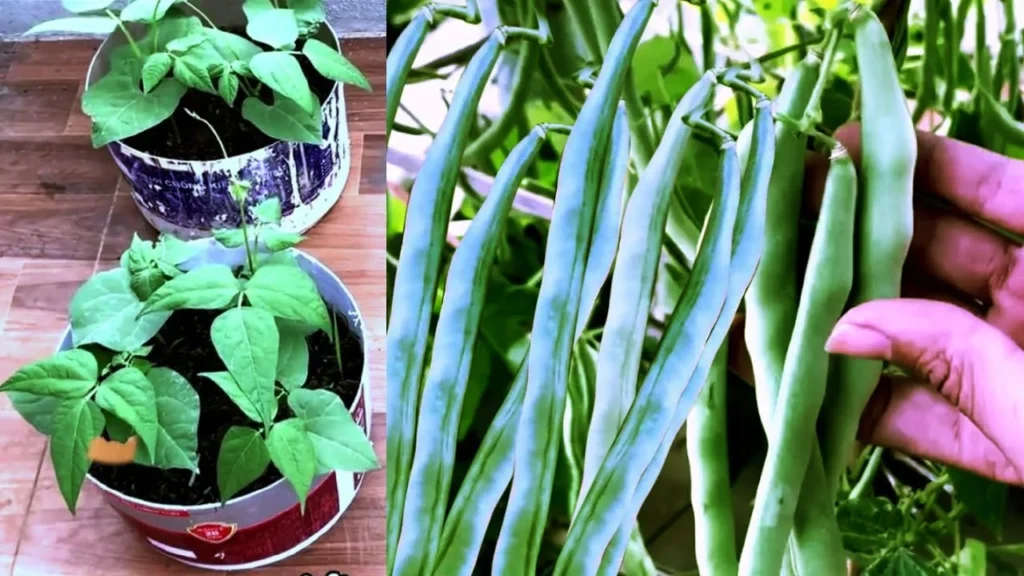
Growing climbing beans in containers or raised beds has become a popular option for gardeners working with limited space, and both setups require slightly different feeding strategies than traditional in-ground planting.
In containers, nutrients move out of the root zone quickly with each watering. This means you’ll need to fertilize more frequently — a balanced liquid organic fertilizer applied every 10 to 14 days once plants are actively growing is a practical rhythm. Use large containers when possible, at least 12 to 15 inches deep, and start with a high-quality potting mix that already includes compost.
In raised beds, drainage is excellent — which benefits roots but also means nutrients don’t stay put as long. Top-dress with compost at the start of each growing season and side-dress with a low-nitrogen granular pole bean fertilizer when plants begin to climb. Pay attention to how quickly the soil dries out, especially during heat, since faster drying accelerates nutrient loss.
In both settings, mulching adds real value. A two-inch layer of straw or shredded wood chips reduces evaporation, moderates soil temperature, and gradually breaks down to add organic matter back to the soil over time.
Signs Your Pole Beans Need Fertilizer — Or Have Had Too Much
One of the most practical skills in any garden is learning to read what your plants are telling you. With pole bean fertilizer, both too little and too much leave visible clues.
Signs your plants may need more nutrients:
- Yellowing leaves progressing upward from the base of the plant — often indicates nitrogen or sulfur deficiency.
- Purple-tinged leaves or stems, particularly in younger plants — a common sign of phosphorus deficiency, especially in cold soils.
- Brown or scorched-looking leaf edges — often linked to potassium deficiency or irregular watering.
- Overall pale color and slow growth — general nutrient poverty, usually from depleted or poorly prepared soil.
Signs of over-fertilization, especially excess nitrogen:
- Unusually thick, dark green foliage across the entire plant.
- Very few flowers forming, and even fewer pods setting.
- Soft, weak stems that collapse or develop disease pressure easily.
- Tip burn or brown edges where granule contact occurred near roots.
If your plants look vigorous and lush but aren’t producing pods, the most likely culprit is excess nitrogen. Stop all feeding and let the plants work through what’s already in the soil before reassessing.
Common Mistakes With Pole Bean Fertilizer
Even gardeners with several seasons behind them fall into these patterns. Being aware of them ahead of time makes a real difference.
1. Applying too much nitrogen This is consistently the most frequent error. Nitrogen promotes foliage — which looks great but produces nothing. Beans generate their own nitrogen through root nodules; adding more disrupts that balance.
2. Feeding too late in the season Heavy fertilizer applications to tired, declining plants rarely turn things around. Front-load your effort into soil preparation before planting rather than trying to rescue plants in late summer.
3. Skipping the legume inoculant In soil that hasn’t grown beans or peas in several years, Rhizobium bacteria may not be present in effective numbers. The inoculant costs very little and consistently makes a measurable difference in early plant performance.
4. Ignoring soil pH Even excellent pole bean fertilizer products can’t fix a pH problem. When soil drifts outside the 6.0 to 7.0 range, key nutrients become chemically unavailable regardless of how much you apply. Always test your soil before amending, not after a problem develops.
5. Inconsistent watering Fertilizer needs consistent moisture to dissolve and move into the root zone. Irregular watering leads to uneven uptake and increases the risk of nutrient burn when concentration spikes occur around plant roots.
Pole Bean Varieties and Their Fertilizer Response
While the fundamental principles of feeding remain consistent across varieties, some types are naturally more demanding than others — and knowing your variety helps you fine-tune your approach.
Kentucky Wonder — One of the most widely grown heirloom pole beans. It’s vigorous and productive, and it responds particularly well to phosphorus-rich soil. A reliable performer with a well-established fertilizer program.
Blue Lake Pole — Bred for disease resistance and heavy production. It performs well in compost-rich soil with minimal supplemental feeding, making it a low-maintenance option for gardeners who prefer a simpler approach.
Rattlesnake Pole Bean — A drought-tolerant heirloom with lower overall fertilizer needs. A single compost amendment at planting is often all it requires for a successful season.
Purple Podded Pole Bean — Visually striking and a reliable producer. Worth noting that the deep purple coloration can mask early phosphorus deficiency symptoms. Watch for overall plant vigor and growth rate rather than relying on leaf color alone.
Heavy-producing varieties will almost always benefit more from mid-season potassium support than lighter-bearing types. Match your feeding program to the output you’re expecting from the plant.
FAQ: Pole Bean Fertilizer
Q: How often should I fertilize pole beans?
In most garden soil, a low-nitrogen granular application at planting followed by one mid-season side-dressing during early pod set is usually sufficient. In containers or raised beds, switch to a liquid organic fertilizer applied every 10 to 14 days to compensate for faster nutrient loss.
Q: Can I use tomato fertilizer on pole beans?
It’s not the best fit. Tomato fertilizers tend to be higher in nitrogen and calcium — nutrients prioritized for fruit development. A vegetable-specific or legume-friendly NPK like 5-10-10 is a much better match for pole bean fertilizer needs.
Q: Should I still fertilize if I’ve already added compost?
In well-prepared soil, compost often provides adequate slow-release nutrition through the season. In very depleted soil or container setups, supplemental feeding may still be beneficial — just reduce the amount when compost is already part of the mix.
Q: Is 10-10-10 good for pole beans?
It can work in a pinch, but the equal nitrogen level can push vegetative growth at the wrong time. A lower-nitrogen option like 5-10-10 is the more targeted choice for pole bean fertilizer applications.
Q: Why are my plants blooming but not setting pods?
This is frequently a pollination issue triggered by temperatures above 90°F or high humidity rather than a fertilizer problem. That said, excess nitrogen can also reduce pod set. Try withholding nitrogen and ensuring your watering is steady and consistent.
Q: Do pole beans need fertilizer in raised beds?
Yes, particularly if the bed supported heavy-feeding crops the previous season. Amend with compost before planting and add a low-nitrogen side-dressing once plants begin climbing. Raised beds drain faster than in-ground soil, so nutrients move through more quickly.
Q: When should I stop fertilizing?
Taper off by late summer or once plants have clearly reached their peak production. Feeding late in the season stimulates soft new growth that won’t have enough time to mature before the first frost arrives.
Conclusion
After everything covered in this guide, one thing stands out clearly: growing productive pole beans isn’t about feeding them more — it’s about feeding them right.
Most of the problems gardeners run into with pole beans trace back to the same few errors — too much nitrogen early on, poor soil preparation, or fertilizing without any attention to timing. None of these are difficult to avoid once you understand how these plants actually work.
Start with healthy, well-amended soil. Use a low-nitrogen pole bean fertilizer with a phosphorus and potassium focus. Time your applications to match what the plant actually needs at each stage. Pay attention to what your plants are showing you. That’s genuinely all it takes.
Whether you grow Kentucky Wonder up a wooden trellis, fill a raised bed with Blue Lake, or squeeze a few climbing plants into containers on a patio, the fundamentals stay the same. Give your plants the right nutrition at the right time, and they will produce far more than you expect.
Gardening rewards patience and attention. And with pole beans especially, a little knowledge about fertilizer goes a very long way.