If your blackberry bushes are producing small, tasteless fruit — or barely producing at all — the problem might not be sunlight, watering, or pruning. More often than not, it comes down to what you’re feeding them, or what you’ve been leaving out entirely.
Knowing what fertilizer for blackberries actually works can be the difference between a bush that limps through summer and one that rewards you with heavy, juicy clusters of fruit from mid-July through September. This guide covers everything you need — NPK ratios, organic alternatives, feeding schedules, soil pH, and the quiet mistakes even experienced gardeners make year after year.
Why Blackberries Have Specific Nutritional Needs
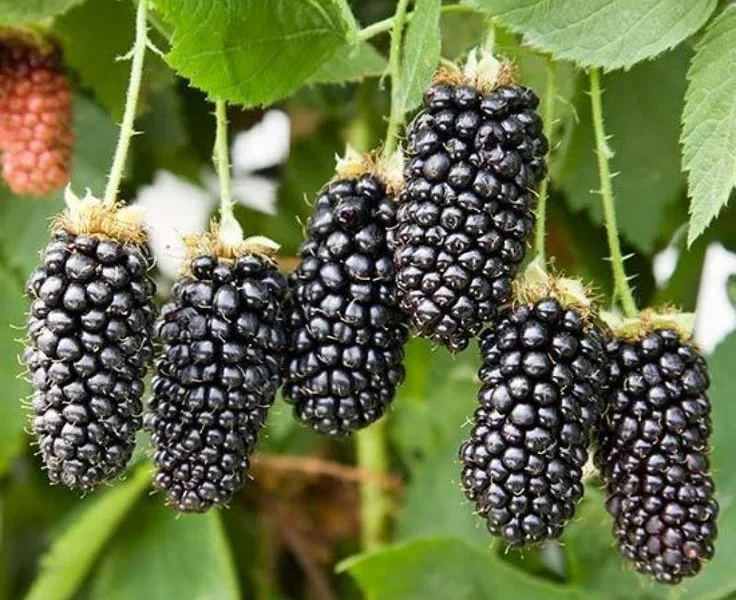
Blackberries (Rubus fruticosus) are vigorous, fast-growing cane fruits. Every season, they push out new primocanes, develop floricanes that fruit in their second year, and maintain an active root system that can spread well beyond what you’d expect. All of that biological activity burns through soil nutrients quickly — faster than most backyard fruit growers realize.
Unlike roses or tomatoes, blackberries don’t just need nitrogen to look green and leafy. They need a carefully maintained balance of macronutrients and micronutrients to:
- Develop strong, disease-resistant canes
- Set blossoms reliably each spring
- Fill out fruit cells properly during summer
- Build root energy reserves before winter arrives
When that nutritional balance slips, the plant shows it clearly. Yellowing leaves, poor fruiting, weak new canes, and rising susceptibility to fungal problems are all reliable signs of a plant that isn’t getting what it needs from the soil — and a clear signal that it is time to rethink what fertilizer for blackberries you are currently using.
Understanding what fertilizer for blackberries truly supports healthy growth is the first step toward turning these warning signs around and getting your plants back on the path to a strong, productive season.
What Fertilizer for Blackberries: Understanding NPK Ratios
The NPK ratio printed on any fertilizer bag tells you the percentage of nitrogen (N), phosphorus (P), and potassium (K) in that product. For blackberries, getting this ratio right is genuinely the most important fertilizer decision you’ll make each season.
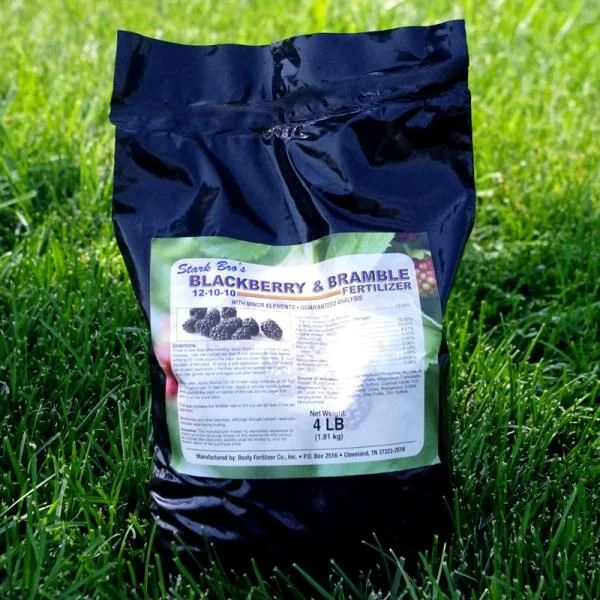
A balanced 10-10-10 NPK ratio is the standard recommendation for general blackberry feeding — but this isn’t a fixed rule. Your growth stage and soil test results should always guide what you reach for.
Here’s how each nutrient functions in the plant:
Nitrogen (N) drives vegetative growth — new cane development, leaf production, and overall plant vigor. Blackberries need a solid nitrogen input in early spring, but applying too much later in the season shifts the plant’s energy toward leafy growth and away from fruit. This single mistake accounts for a large share of disappointing blackberry harvests.
Phosphorus (P) supports root development and flower and fruit production. Weak fruit set or underdeveloped root systems often trace back to phosphorus deficiency. Bone meal is a natural phosphorus source that many organic growers have relied on for generations.
Potassium (K) regulates water movement within plant cells, strengthens cane walls, and directly improves fruit quality — including sugar content and how well berries hold up after picking. Potassium-deficient blackberries tend to produce fruit that’s tart, soft, or quick to mold.
Quick NPK Reference Table
| Growth Stage | Recommended NPK | Purpose |
|---|---|---|
| Early Spring (new growth) | 10-10-10 | Balanced kickstart |
| Mid-Spring (cane development) | 20-10-10 | Push cane growth |
| Pre-bloom | 10-10-20 | Support flowering |
| Post-harvest | 5-10-10 | Root recovery |
Best Fertilizer for Blackberry Bushes: Top Product Types
When growers ask what fertilizer for blackberries performs best, the honest answer is that it depends on what you’re optimizing for — speed of results, organic certification, or long-term soil health. Each approach has real merit.
1. Balanced Granular Fertilizers (10-10-10)
A standard 10-10-10 granular fertilizer is the most widely used option for blackberry growers, and for good reason. It’s affordable, straightforward to apply, and delivers all three macronutrients in equal measure. Apply it in early spring, just as new canes begin pushing up from the soil.
Application rate: About 1 cup per established plant, broadcast around the drip line and worked lightly into the top inch or two of soil.
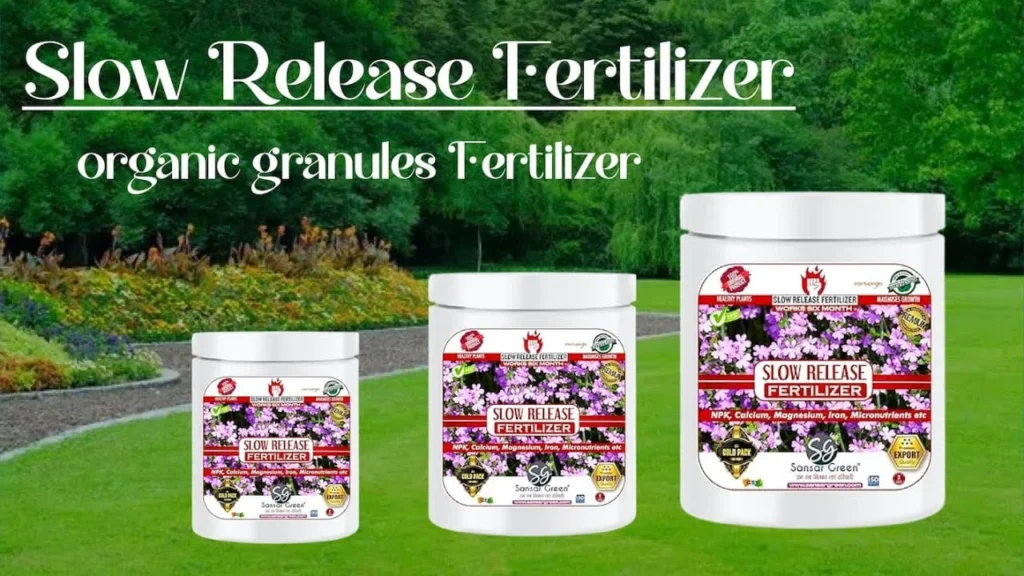
2. Slow-Release Fertilizers for Fruit Bushes
Slow-release fertilizers — typically coated granules or polymer-encapsulated pellets — are particularly well-suited to blackberries because they feed the plant gradually over three to six months. Products in this category reduce the risk of nitrogen burn and remove the pressure of managing multiple feeding dates throughout the season.
For gardeners with busy schedules or larger growing areas, a single early-spring application of a quality slow-release fertilizer for fruit bushes can carry plants comfortably into midsummer without any additional inputs.
3. Organic Fertilizers for Blackberries
Organic growing methods have become increasingly common in home berry patches, and blackberries respond well to organic inputs — sometimes better than they do to synthetic options, because organic matter improves soil structure while it feeds the plant.
Top organic options worth knowing:
- Compost: A 2–3 inch layer worked into the top few inches of soil delivers slow, steady nutrition while improving drainage and moisture retention at the same time.
- Fish emulsion: High in nitrogen, fast-acting, and ideal for an early-spring boost. The smell fades within a day or two.
- Kelp meal: Adds trace minerals and potassium. Blackberries are heavy users of trace elements, and kelp addresses deficiencies that standard NPK fertilizers often miss entirely.
- Bone meal: A dependable organic phosphorus source that supports root development and flower set through the growing season.
- Blood meal: A high-nitrogen organic option best used in early spring when pushing strong initial cane development is the priority.
Blackberry Plant Nutrient Requirements Beyond NPK
Most fertilizer guides stop at NPK. But blackberry plant nutrient requirements extend further than the three main numbers on the bag, and ignoring the secondary nutrients can cost you a significant portion of your harvest.
Iron and Manganese
Blackberries grown in alkaline soils — those with pH above 7.0 — frequently develop interveinal chlorosis: the leaves yellow between the veins while the veins themselves stay green. This pattern is almost always an iron or manganese deficiency, but not because those minerals are absent from the soil. High pH locks them into forms plant roots simply cannot access.
The fix here is almost always pH correction, not adding more micronutrient fertilizer on top of the existing problem.
Magnesium
Magnesium sits at the center of every chlorophyll molecule in the plant. When levels drop, photosynthesis slows, and less sugar reaches the developing fruit. If your older leaves are yellowing while new growth looks fine, magnesium deficiency is a likely cause. Epsom salt — magnesium sulfate — dissolved at roughly 1 tablespoon per gallon of water is a fast and inexpensive way to address it.
Calcium
Calcium supports cell wall integrity throughout the plant. Without adequate calcium, fruit quality suffers noticeably, and canes can become weak and prone to splitting under their own weight. Agricultural gypsum provides calcium without the sharp pH shift that hydrated lime produces.
Blackberry Soil pH and Amendments: The Foundation of Good Fertilizing
Here’s something most articles on what fertilizer for blackberries skip over: if your soil pH sits outside the right range, fertilizer loses a significant portion of its effectiveness. Nutrients become chemically unavailable to plant roots beyond certain pH thresholds — and that’s true no matter how much product you apply.
Blackberries perform best in soil with a pH between 5.5 and 6.5 — mildly acidic. Within this band, iron, manganese, phosphorus, and most micronutrients stay in forms the roots can actually take up.
How to Test Your Soil pH
Basic soil test kits are available at most garden centers and give you a very useful starting point for understanding what fertilizer for blackberries your soil actually needs. For more detailed results — including specific amendment recommendations — send a sample to your local cooperative extension office or an agricultural testing lab. Many labs include clear, actionable guidance with their results, helping you determine exactly what fertilizer for blackberries works best in your specific soil conditions, which saves a lot of guesswork and leads to a healthier, more productive harvest.
Correcting High pH (Too Alkaline)
If your pH reads above 6.8 to 7.0:
- Apply elemental sulfur (garden sulfur) to gradually bring pH down over time
- Work peat moss into the planting area or use it as a top dressing
- Switch to ammonium sulfate as your nitrogen source — it feeds the plant while mildly acidifying the soil
Correcting Low pH (Too Acidic)
If your pH drops below 5.3:
- Apply agricultural limestone (calcitic lime) to raise pH gradually
- Dolomitic lime is a useful option here — it raises pH while simultaneously adding both calcium and magnesium
Keep in mind that soil pH correction takes time. Plan for three to six months before retesting, and don’t expect overnight results.
When to Fertilize Blackberry Plants: Timing Matters More Than Most People Think
You can select the right fertilizer and still produce a mediocre harvest if the timing is off. Knowing what fertilizer for blackberries to apply is only half the equation — understanding when to fertilize blackberry plants is genuinely as important as knowing which product to buy.
Even the most carefully chosen what fertilizer for blackberries solution will fall short of its full potential if it is applied at the wrong stage of the growing season, so timing and product selection must always work together for the best possible results.
Early Spring (March–April)
This is the primary feeding window. As soil temperatures climb above 50°F and new primocanes begin emerging, apply your main balanced feed. This timing supports cane development and sets the plant up for the demanding work of flowering and fruiting ahead.
Late Spring (May)
A lighter second application — lower in nitrogen, higher in potassium — supports flower development on second-year floricanes. Many experienced growers shift from 10-10-10 toward something like 5-10-10 or 10-10-20 at this stage.
After Harvest (August–September)
A light potassium-rich application following harvest helps new canes harden before winter and allows the root system to rebuild its energy reserves. Avoid nitrogen at this point — it encourages soft late-season growth that frost damage will claim.
What to Avoid
- Fertilizing during drought conditions without irrigation — granules won’t dissolve or move into the root zone properly, and concentrated nutrients can burn roots.
- Heavy nitrogen applications after June — the resulting soft growth is highly vulnerable to winter damage.
- Fertilizing too soon after planting — wait at least four to six weeks before feeding newly transplanted canes.
Homemade Fertilizer for Blackberry Plants: What Actually Works
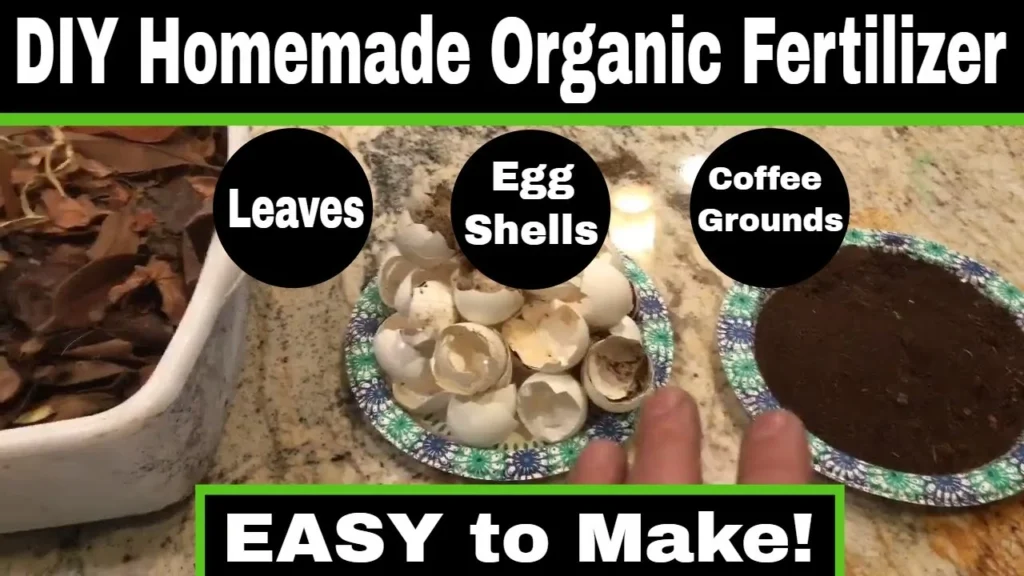
For gardeners who prefer a DIY approach, homemade fertilizer for blackberry plants can deliver real results — and most of what you need is already in your kitchen or yard.
Compost Tea
Steeping finished compost in water for 24 to 48 hours creates a liquid feed rich in soluble nutrients and beneficial soil microbes. Apply it directly to the soil around plant bases. It won’t replace a structured NPK feed, but as a regular supplement throughout the growing season, it builds the kind of soil biology that expensive synthetic fertilizers simply can’t replicate.
Banana Peel Fertilizer
Banana peels are naturally high in potassium and break down quickly in soil. You can bury chopped pieces directly around the base of plants or soak peels in water for several days and use the resulting liquid as a potassium drench. The concentrations are low, but as a mid-season supplement, the effect is real.
Wood Ash
Wood ash from untreated wood provides potassium and has a mild liming effect on soil pH. Apply sparingly — no more than 1 cup per plant each year — and avoid it entirely in soils that are already alkaline.
Coffee Grounds
Used coffee grounds are mildly acidic and contribute small amounts of nitrogen to the soil. They work best blended into compost or used as a mulch additive rather than applied in large quantities directly around plant bases.
Nitrogen Fertilizer for Berry Plants: Getting the Balance Right
Because nitrogen produces the most visible plant response — bigger, greener, faster-growing — many growers assume more is better. With blackberries, this thinking causes real problems.
Too much nitrogen leads to:
- Excessive leafy, vegetative growth at the direct expense of fruit production
- Soft, weak canes that become easy targets for Botrytis (gray mold) and cane blight
- Fruit that tastes more tart than sweet, because sugar production falls behind growth
- Late-season soft growth that doesn’t harden properly before frost arrives
A soil test is the most reliable tool available for knowing whether your nitrogen levels are adequate, and it is also the smartest first step toward choosing what fertilizer for blackberries will actually deliver results in your specific growing conditions. If you’re making an educated guess, lean toward applying less.
A plant running slightly low on nitrogen will almost always produce better-tasting fruit than one sitting in excess. This is why understanding what fertilizer for blackberries suits your soil type and nitrogen levels matters far more than simply grabbing the nearest bag off the shelf and hoping for the best.
Blackberry Bush Care and Feeding Tips: Practices That Actually Move the Needle
Beyond choosing the right fertilizer and applying it at the right time, a few consistent management practices determine how efficiently your blackberries actually use the nutrition you provide.
Mulching is one of the highest-return practices available. A 3–4 inch layer of wood chip mulch kept around — but not directly against — cane bases stabilizes soil temperature, holds moisture through dry spells, and breaks down slowly into organic matter over time. The result is a root environment where nutrient uptake runs at its most efficient.
Watering before fertilizing matters more than most people realize. Always apply fertilizer to soil that’s already moist. Granules need moisture to dissolve and move into the root zone — applying to dry soil increases the risk of concentrated nutrient exposure that can damage roots.
Cane management directly affects how well your plants use nutrients. Removing spent floricanes immediately after harvest redirects the plant’s energy toward new primocane development and root building rather than maintaining dying wood. Plants managed this way use their fertilizer inputs more efficiently, season after season.
Foliar feeding during active growth periods provides a fast supplement pathway — particularly useful for correcting micronutrient deficiencies when waiting for soil corrections to take effect isn’t practical.
Comparison: Synthetic vs. Organic Fertilizers for Blackberries
| Feature | Synthetic Fertilizers | Organic Fertilizers |
|---|---|---|
| Speed of action | Fast (days) | Slow (weeks) |
| Soil health impact | Neutral to negative long-term | Positive — builds soil biology |
| Precision | High (exact NPK ratios) | Lower (variable nutrient content) |
| Cost | Generally lower | Can be higher |
| Risk of burn | Higher if overapplied | Lower |
| Micronutrient content | Limited (unless chelated) | Often broad spectrum |
| Best for | Targeted, precise correction | Long-term garden health |
For most home growers, understanding what fertilizer for blackberries works best leads to one clear conclusion — a combined approach delivers the strongest results. A balanced granular synthetic in early spring for precision and speed, followed by compost, mulch, and organic supplements throughout the season, builds the kind of soil health that makes future seasons progressively easier and more rewarding.
Knowing what fertilizer for blackberries to use at each stage of the growing season is what separates growers who struggle year after year from those who consistently enjoy a thriving, abundant harvest.
FAQ Section
Q: What is the best NPK ratio fertilizer for blackberries?
A balanced 10-10-10 works well as a general early-spring feed. As the season moves toward flowering and fruiting, shifting to a higher-potassium formula like 10-10-20 supports better fruit quality and sweetness.
Q: Can I use tomato fertilizer on blackberries?
Yes, with some awareness. Tomato fertilizers tend to be higher in phosphorus and potassium, which supports fruiting. Just check the nitrogen level — if it’s on the high side, it may push too much vegetative growth at the wrong time.
Q: How often should I fertilize blackberry bushes?
Most established plants benefit from two to three applications per year: a main feed in early spring, a lighter application before bloom in late spring, and a potassium-focused treatment after harvest.
Q: Why are my blackberry leaves turning yellow even after fertilizing?
This usually points to a soil pH issue rather than a nutrient shortage. Test your pH — if it reads above 6.8, iron and manganese are being chemically locked away from roots regardless of what’s in the fertilizer you’ve applied.
Q: Is Epsom salt good for blackberries?
It can be, if magnesium deficiency is the actual problem. Look for yellowing of older leaves while newer growth stays green. Don’t apply Epsom salt as a routine treatment without evidence of deficiency.
Q: When should I stop fertilizing blackberries in fall?
Stop all nitrogen applications by late July or early August. A light potassium feed in August is fine and supports winter hardening, but nitrogen after that point encourages soft growth that won’t survive the first hard frost.
Q: Can I use coffee grounds as fertilizer for blackberries?
In moderation, yes. Coffee grounds add mild acidity and a small nitrogen contribution. Use them as part of a compost blend or as a mulch additive rather than applying them in heavy quantities directly to the soil.
Conclusion
Growing blackberries well isn’t complicated, but it does require paying attention to a few things that are easy to overlook. Knowing what fertilizer for blackberries to use — and when and how to apply it — sits at the center of everything else you do for the plant.
Start with a soil test before you buy anything. Get your pH into that 5.5 to 6.5 sweet spot, and your fertilizer will actually work the way it’s supposed to. Use a balanced 10-10-10 in early spring, shift toward higher potassium as the season moves into flowering, and give the roots a recovery feed after harvest. Add compost, maintain your mulch layer, and manage your canes cleanly.
These aren’t difficult practices. But growers who follow them consistently — season after season — are the ones who end up with bushes that produce reliably and fruit that actually tastes the way blackberries are supposed to taste. The investment is small. The return, once your plants are properly fed and the soil is working with you rather than against you, is genuinely worth it.