If your crops are yellowing at the leaf edges, your lawn looks dull despite regular watering, or your vegetables are producing poorly — potassium deficiency in soil might be the culprit. Potassium is one of the three macronutrients every plant needs, alongside nitrogen and phosphorus. Yet it remains the least understood and most overlooked of the three.
This guide covers everything you need — from what potassium fertilizer actually does in the soil, to the different product types available, how to read NPK labels, and how to apply it correctly for lawns, crops, and home gardens.
Why Potassium Matters More Than Most Gardeners Realize
Plants use potassium quite differently from how they use nitrogen or phosphorus. Nitrogen drives leafy green growth. Phosphorus pushes root development and flowering. Potassium, on the other hand, works more like a regulator — it controls water movement within plant cells, activates enzymes, improves stress tolerance, and helps move sugars from leaves to fruits and roots.
When potassium levels in soil drop below optimal, the signs become hard to miss:
- Leaf edges turn brown or yellow — a condition commonly known as “scorching”
- Plants wilt easily, even when watered consistently
- Fruit quality drops, with smaller size and lower sugar content
- Crops become more susceptible to disease and frost damage
This is exactly why potassium fertilizer isn’t simply a growth booster — it’s a plant health foundation. Without enough of it, other inputs like irrigation and nitrogen fertilizers tend to underperform. Soil testing should always be the first step before choosing any product, because over-application can be just as damaging as a deficiency.
Understanding NPK Fertilizer Ratios for Crops
Every bag of fertilizer carries three numbers — the NPK ratio. These represent the percentage of nitrogen (N), phosphorus (P), and potassium (K) by weight. A bag labeled 10-10-10 contains 10% of each macronutrient. A bag labeled 0-0-60 is essentially a pure potassium product.
Reading these numbers correctly saves you money and prevents costly application mistakes. A common error among home gardeners is grabbing whatever’s on sale without checking whether the nutrient ratio actually matches their soil’s current needs. For example, applying a high-nitrogen fertilizer to a lawn that already has adequate N but low potassium will push excessive leafy growth while doing nothing to fix the real deficiency.
The smartest approach is always to get a soil test first, match the NPK ratio to your specific crop or plant type, and then select the product — not the other way around.
The NPK fertilizer ratio for crops varies depending on what you’re growing:
| Crop Type | Ideal NPK Ratio | Reason |
|---|---|---|
| Leafy vegetables | 5-5-5 or 10-5-5 | Higher N for foliage |
| Root vegetables (carrots, beets) | 5-10-10 | P and K for roots |
| Fruiting crops (tomatoes, peppers) | 5-10-10 or 8-8-8 | K for fruit quality |
| Lawn grass | 30-0-10 or 20-10-10 | N-dominant, K for stress |
| Cereal crops (wheat, corn) | 15-15-15 | Balanced macro nutrition |
Matching the NPK fertilizer ratio for crops to the specific growth stage and crop type is what separates average yields from exceptional ones. Many growers apply a generic balanced fertilizer year after year and then wonder why productivity levels off. Paying attention to this one detail can make a measurable difference across seasons.
Types of Potassium Fertilizer: Which One Should You Use?
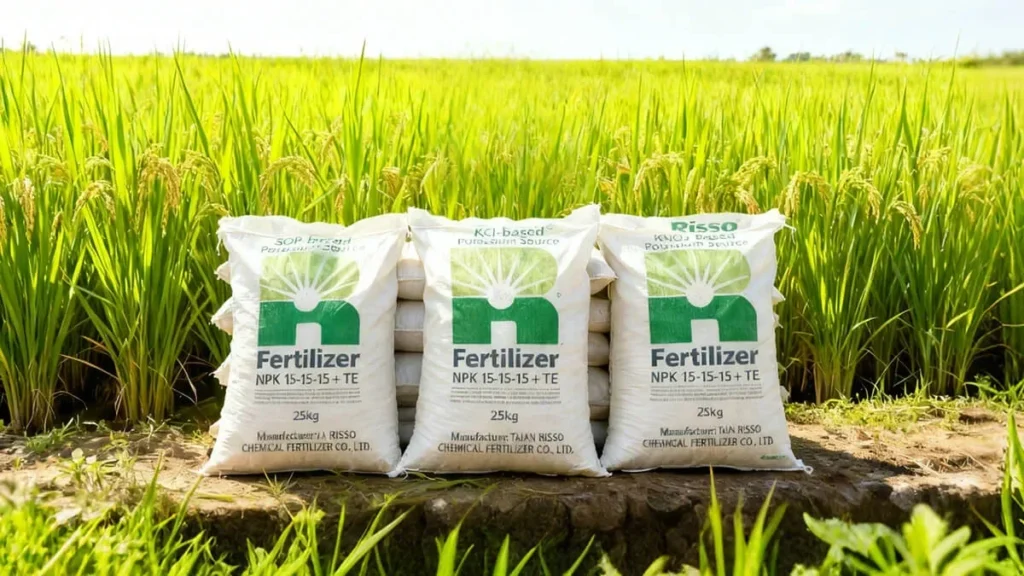
There isn’t just one type of potassium fertilizer. Each form comes with different chemistry, solubility, cost, and ideal use case. Choosing the wrong type can lead to poor results even when application rates are correct.
Muriate of Potash (MOP)
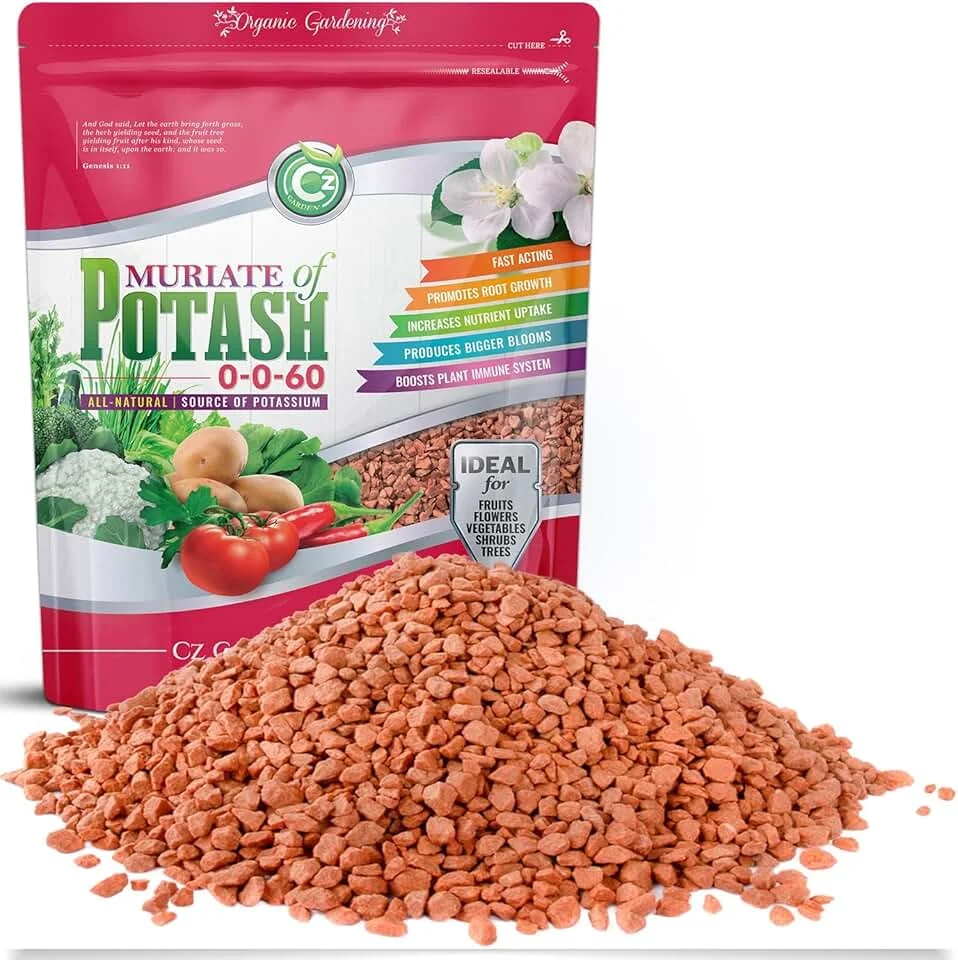
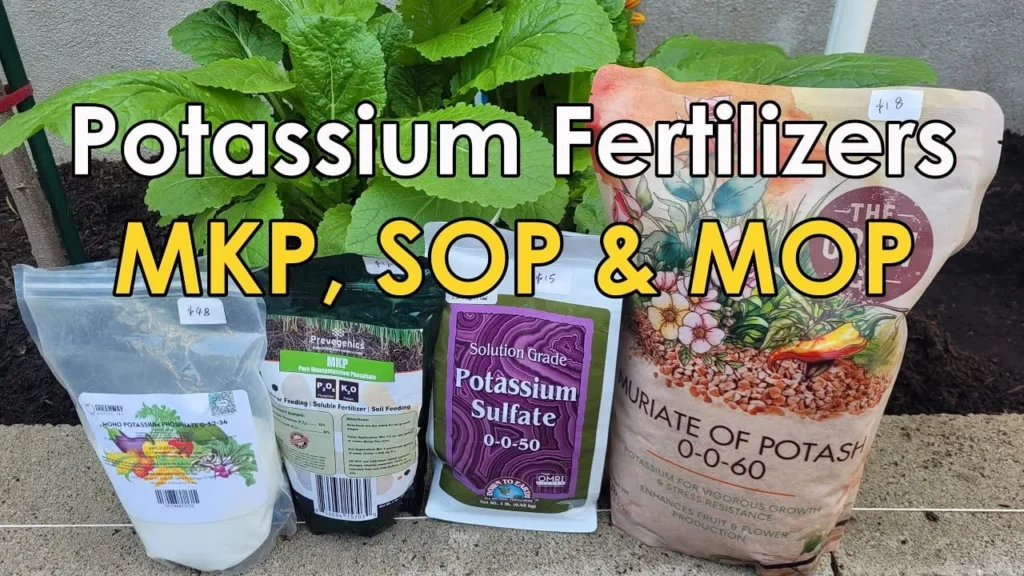
Muriate of potash fertilizer — also called potassium chloride (KCl) — is the most widely used and most affordable potassium source available globally. It typically contains 60–62% potassium (K₂O) and is derived from mined evaporite deposits.
Its high solubility makes it fast-acting. However, the chloride content can be harmful to chloride-sensitive crops like berries, tobacco, potatoes, and certain fruit trees when used in excess. For most field crops like wheat and corn, muriate of potash fertilizer remains a reliable, cost-effective standard.
Best for: Cereals, corn, pasture grasses, general field applications.
Avoid with: Strawberries, blueberries, potatoes at high application rates.
Potassium Sulfate (SOP)
The potassium sulfate fertilizer benefits are well documented, particularly in specialty crop farming. It contains about 50% K₂O and 17–18% sulfur, making it a dual-nutrient source. With no chloride present, it becomes the preferred option for sensitive crops.
The sulfur component also supports protein synthesis and enzyme activity, giving it a clear advantage over MOP in vegetable and fruit production. The tradeoff is cost — potassium sulfate typically runs 2–3 times more than muriate of potash.
Key potassium sulfate fertilizer benefits include:
- A chloride-free formula that is safe for sensitive crops
- Improved fruit flavor and shelf life
- Simultaneous supply of sulfur
- A lower salt index, making it safer in dry conditions and drip irrigation systems
Best for: Fruits, vegetables, potatoes, tobacco, and high-value specialty crops.
Potassium Nitrate Fertilizer
Potassium nitrate fertilizer combines two macronutrients — potassium and nitrogen — in a single product. It typically contains 13% nitrogen and 46% K₂O, is fully water-soluble, and is widely used in fertigation systems and foliar applications.
It proves especially useful during the fruiting and maturation stage, when plants need both nitrogen for chlorophyll maintenance and potassium for sugar transport and cell integrity. It also has a slightly alkaline effect on soil pH, which can work in favor of growers managing acidic soils.
Best for: Drip irrigation systems, fertigation, greenhouse crops, foliar feeding programs. Avoid: In situations where additional nitrogen would trigger excessive vegetative growth.
Organic Potassium Fertilizer for Vegetables
For home gardeners and certified organic growers, organic potassium fertilizer for vegetables offers a natural and effective alternative to synthetic options. The most common sources include:
- Greensand — a slow-release mineral mined from ancient ocean floors that adds potassium, iron, and trace minerals
- Wood ash — a traditional and accessible source containing roughly 3–7% K₂O, with the added benefit of raising soil pH
- Kelp meal — low in potassium but rich in growth hormones and micronutrients, often used as a complement to other inputs
- Compost — contains variable potassium depending on source materials, but consistently builds overall soil health over time
Organic potassium fertilizer for vegetables works more slowly than synthetic products, but the long-term gains in soil biology and structure are worth noting. In raised beds and kitchen gardens, combining greensand with quality compost delivers sustained nutrition without the risk of chemical burn.
Potassium Deficiency in Soil: How to Identify and Fix It
Potassium deficiency in soil is more widespread than most growers expect. Sandy soils naturally drain potassium quickly. Heavy rainfall leaches it from the root zone. Seasons of intensive cropping without replenishment gradually deplete reserves.
What makes this problem particularly tricky is that potassium doesn’t disappear overnight — it drains slowly and silently, season after season, until plant performance finally starts to show the damage. Many growers misread the early warning signs as drought stress or disease, spending money on irrigation fixes or fungicides when the real issue is sitting right in the soil.
Compacted clay soils present the opposite challenge — they may hold adequate potassium in theory, but poor root penetration means plants physically can’t access what’s there. In both cases, a proper soil test paired with a targeted potassium fertilizer program is the only reliable path to genuine correction rather than guesswork.
Visual Symptoms of Deficiency:
- Marginal leaf scorch — yellowing or browning along leaf edges, beginning with older leaves.
- Weak stems — plants that lodge easily in wind or rain.
- Poor fruiting — small, misshapen, or low-sugar fruits.
- Slow growth — even when nitrogen levels and irrigation are adequate.
How to Confirm Deficiency:
Don’t guess — soil test. A standard soil test from an agricultural extension lab or a private service will show your exchangeable potassium level in parts per million (ppm) or milliequivalents per 100g of soil. Most crops perform well at 150–250 ppm. Below 100 ppm signals deficiency. Above 350 ppm may indicate excess and warrants caution.
Once confirmed, the type of potassium fertilizer you choose should match both the severity of the deficiency and the specific crop you’re growing.
For mild deficiencies in general garden beds, a balanced granular product with moderate potassium levels is usually enough to restore healthy growth within a few weeks. But for severe deficiencies in high-value crops like tomatoes, peppers, or fruit trees, a fast-acting water-soluble option — such as potassium nitrate or potassium sulfate — delivers quicker results because it reaches the root zone faster.
Chloride-sensitive crops always need special attention here; applying muriate of potash to strawberries or blueberries at high rates can cause more damage than the deficiency itself. Getting this match right between product type and crop requirement is what separates a recovery that works from one that wastes both time and money.
Best Fertilizer with Potassium and Phosphorus: The K+P Combination
For root development, flowering, and fruiting crops, the best fertilizer with potassium and phosphorus brings these two secondary-growth macronutrients together in one formula. Classic examples include:
- 0-20-20 — pure P and K with zero nitrogen, ideal when soil already holds sufficient nitrogen.
- 10-20-20 — moderate nitrogen with high P and K, commonly used at transplanting and early fruiting stages.
- Monoammonium phosphate (MAP) + MOP blends — a standard in pre-plant fertilizer programs for row crops.
This combination addresses the two most common mid-season deficiencies simultaneously and is especially valued in vegetable production where both fruiting quality and root structure matter.
Potash Fertilizer for Plants: A Practical Grower’s View
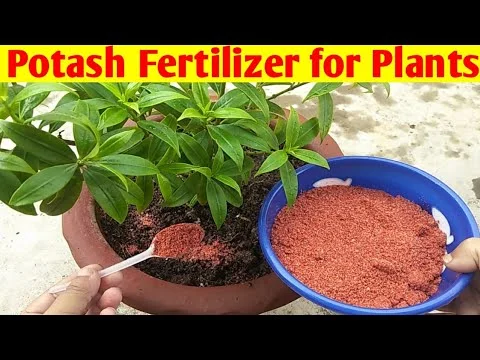
The term potash fertilizer for plants is broadly used to describe any potassium-containing fertilizer — though technically, “potash” refers to potassium oxide (K₂O), the form in which potassium content is measured on fertilizer labels.
For ornamental plants, trees, and shrubs, potash supports:
- Drought tolerance — by regulating stomatal opening and closing.
- Winter hardiness — by improving cell membrane integrity.
- Flower color intensity — by supporting anthocyanin synthesis.
- Disease resistance — by strengthening cell walls.
Roses, hydrangeas, fruit trees, and perennial garden plants respond particularly well to a late-summer potash application. This timing helps prepare them for winter dormancy and positions them for stronger flowering the following spring — a small adjustment in routine that often produces noticeable results.
How to Apply Potassium Fertilizer to Lawn
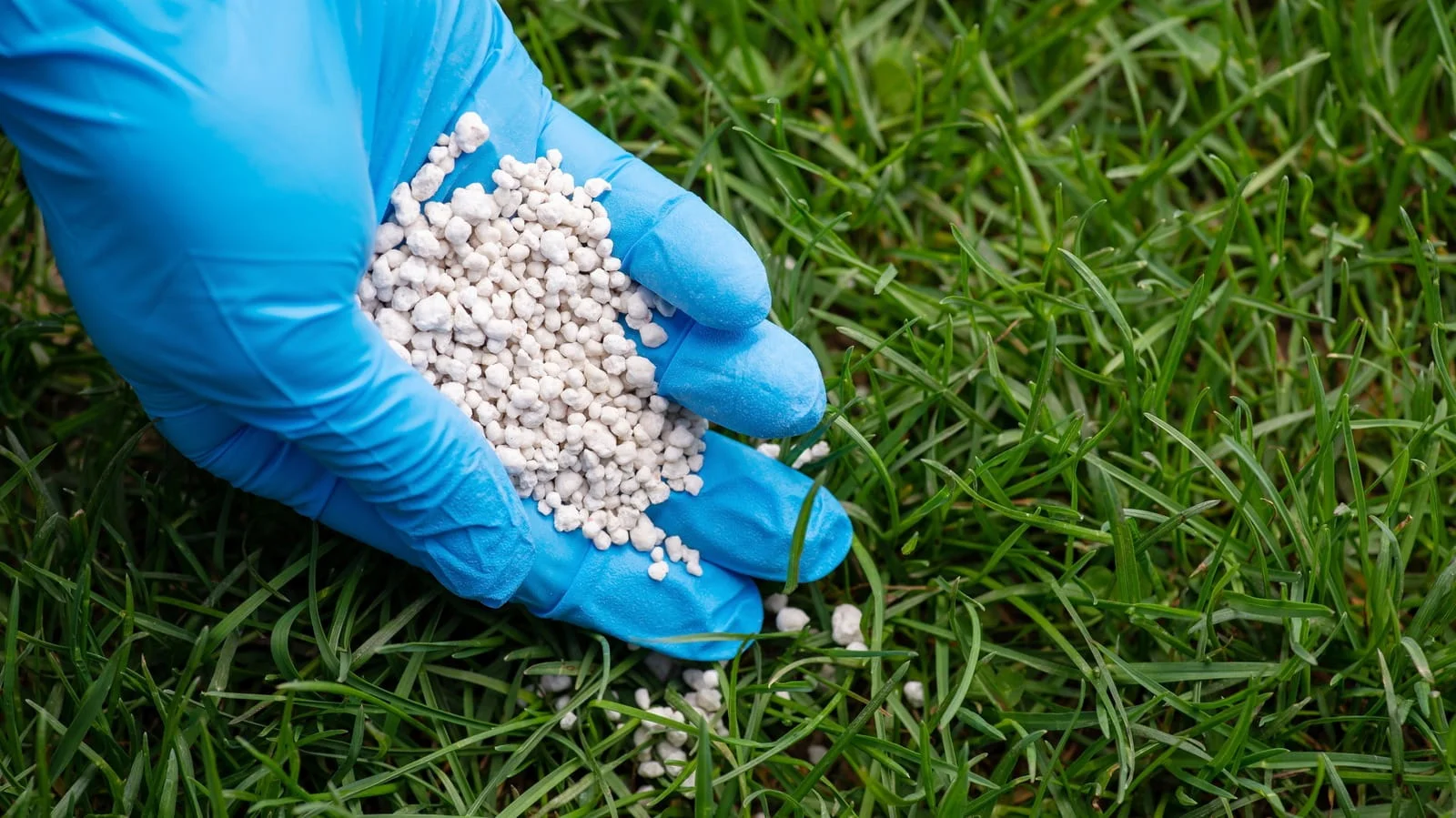
Understanding how to apply potassium fertilizer to lawn correctly makes a meaningful difference in outcomes. Most lawn grasses — including Kentucky bluegrass, tall fescue, Bermuda grass, and zoysia — require approximately 1–3 lbs of K₂O per 1,000 sq ft per year, though this varies with soil test results.
Step-by-Step Lawn Application:
- Test your soil first — Never apply blindly. A pH and nutrient analysis gives you a clear starting point.
- Choose the right product — For lawns, muriate of potash is commonly used in fall programs. Potassium sulfate is better suited for dry conditions or salt-sensitive grass varieties.
- Apply with a broadcast spreader — Calibrate the spreader according to the manufacturer’s recommended settings for even coverage.
- Water in after application — Particularly with granular products, watering activates the fertilizer and significantly reduces the risk of leaf burn.
- Time it right — Fall application, ideally between late September and November, prepares grass for winter stress and is generally the most effective window.
- Avoid over-application — Excess potassium competes with calcium and magnesium uptake, which can trigger secondary deficiencies that are easy to misdiagnose.
When done right, potassium fertilizer for lawns produces noticeably thicker, greener turf that holds up better through heat, drought, and heavy foot traffic.
Potassium Chloride Fertilizer Uses Beyond the Basics
Potassium chloride fertilizer uses extend well beyond standard field crop programs. In industrial agriculture, it plays several roles:
- Blended NPK production — MOP serves as the potassium source in most granular blended fertilizers
- Liquid fertilizer systems — Dissolved KCl is incorporated into liquid starter programs
- Soil reclamation — Heavily depleted soils in developing markets receive KCl as part of broader soil rehabilitation programs
- Hydroponics — High-purity KCl is used in carefully formulated nutrient solutions
On the consumer side, potassium chloride fertilizer appears in many garden center products simply labeled as “potash” — often in blended formulations designed specifically for tomatoes, roses, or root crops. Whether you encounter it in a professional agricultural setting or on a garden store shelf, understanding what it contains helps you use it with greater confidence and precision.
FAQs: Potassium Fertilizer Questions Answered
Q1: What is the best time to apply potassium fertilizer?
For most crops, split applications work best — one pre-plant and one at mid-season. For lawns, fall application is most effective. Always base timing on soil test results and crop growth stage.
Q2: Can I apply too much potassium fertilizer?
Yes. Excess potassium interferes with magnesium and calcium absorption, causing deficiencies in those nutrients. It can also raise soil salinity. Always test soil before applying.
Q3: Is potassium chloride safe for vegetable gardens?
In moderate rates, yes — for most vegetables. However, for chloride-sensitive crops like strawberries, lettuce, and potatoes, potassium sulfate is the safer choice.
Q4: How do I know if my soil needs potassium?
A soil test is the only reliable way. Visual symptoms like leaf edge scorching can indicate deficiency, but they can also result from other issues like drought stress or calcium deficiency.
Q5: What is the difference between potash and potassium fertilizer?
“Potash” refers to potassium oxide (K₂O), the measurement unit used on fertilizer labels. “Potassium fertilizer” is the broader term. All potash products are potassium fertilizers, but they vary in form and chemical composition.
Q6: Can I mix potassium fertilizer with other fertilizers?
Some combinations work well — for example, potassium sulfate mixes well with most fertilizers. However, mixing MOP with urea in humid conditions can cause nitrogen losses. Always check compatibility charts.
Q7: Is organic potassium fertilizer as effective as synthetic?
Organic sources work slower but build soil health over time. For immediate deficiency correction, synthetic products are faster. For long-term soil management, organic sources complement a balanced program.
Conclusion
Potassium often doesn’t get the attention it deserves. Gardeners focus on nitrogen for green growth, phosphorus for roots, and potassium quietly gets left out of the conversation — until something goes wrong. Yellowing leaf edges, weak stems, disappointing harvests — these are the moments when its absence becomes impossible to ignore.
The good news is that once you understand what potassium actually does and what your soil actually needs, fixing the problem becomes straightforward. A simple soil test points you in the right direction. The right product — whether that’s muriate of potash fertilizer for a large cereal crop, potassium sulfate for your vegetable garden, or organic potassium fertilizer for vegetables in a raised bed — makes the application effective rather than guesswork.
What holds most growers back isn’t access to products or information. It’s the habit of treating fertilization as a routine task rather than a responsive one. Soil changes. Seasons change. Crop demands shift from one growth stage to the next. Potassium deficiency in soil can develop gradually over years of intensive cropping, and by the time symptoms appear, the plant has already been working harder than it should.
Think of potassium fertilizer not as a fix but as ongoing support — the kind that works quietly in the background, keeping your plants resilient through heat, drought, disease pressure, and seasonal stress. Whether you’re managing a commercial field, maintaining a home lawn, or growing vegetables in containers, getting potassium right is one of the most dependable investments you can make in plant health.
Start with a soil test. Choose the right product for your crop and conditions. Apply with care and consistency. The results — stronger plants, better yields, and healthier soil over time — tend to speak for themselves.