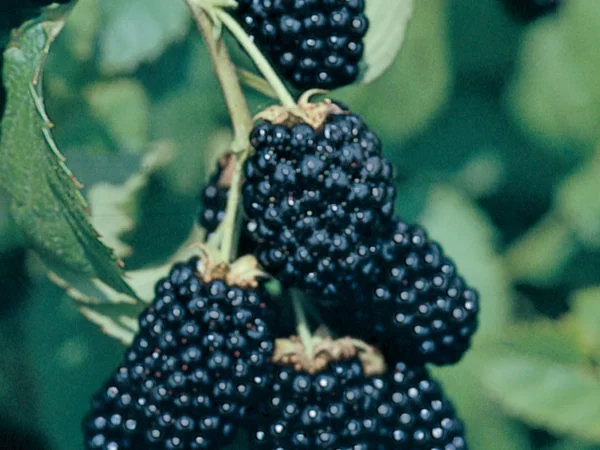
Blackberries are one of the most satisfying fruits to grow at home. A well-maintained blackberry patch can continue producing healthy harvests for many years, but strong growth and quality fruit depend heavily on proper nutrition. Many gardeners pay close attention to watering and pruning yet overlook one of the biggest factors behind productive plants: blackberries fertilizer.
Blackberry plants require balanced nutrients throughout the growing season to develop healthy roots, sturdy canes, and flavorful berries. Using the right blackberries fertilizer approach can improve berry sweetness, cane strength, and long-term productivity. Poor feeding habits often result in pale foliage, weak growth, smaller berries, and disappointing harvests. In many home gardens, these issues become noticeable after a few growing seasons, which is why so many growers start searching for better blackberries fertilizer options once yields begin to decline.
At the same time, correct fertilization can make a remarkable difference. Healthy blackberry bushes tend to produce stronger canes, fuller berry clusters, and more reliable harvests year after year. Many experienced growers notice that consistent feeding practices often improve not only fruit quantity but also flavor and plant resilience.
Gardeners frequently search for the best fertilizer for blackberries because no single feeding method works perfectly in every climate or soil condition. Some growers prefer organic fertilizer for blackberries because it improves soil structure naturally, while others choose balanced NPK fertilizer for blackberries to encourage steady growth and fruit production. Homemade fertilizer for blackberries is also widely used by gardeners looking for affordable and natural alternatives.
This guide covers everything you need to know about blackberry plant nutrients, fertilizer timing, soil preparation, organic feeding, container gardening, and practical techniques used by experienced berry growers. A consistent blackberries fertilizer routine can improve plant health over many growing seasons. Whether you grow blackberries in raised beds, backyard rows, or containers, understanding how to fertilize blackberry plants correctly can have a noticeable impact on both plant health and berry production.
Understanding Blackberry Plant Nutrients
Blackberries need several essential nutrients to maintain steady growth and reliable fruit production. Nitrogen, phosphorus, and potassium are the primary nutrients found in most fertilizers, but blackberry plants also rely on smaller amounts of secondary nutrients and trace minerals for healthy development.
Nitrogen supports leafy growth and helps blackberry canes grow tall and vigorous. When nitrogen levels are too low, plants often develop pale or yellow leaves and show reduced growth. Excess nitrogen, however, can create another problem by producing excessive foliage with fewer berries. Phosphorus supports root development and flowering, making it especially important during planting and bloom formation. Potassium improves berry quality, strengthens disease resistance, and helps regulate water movement inside the plant.
Blackberry soil nutrients also include calcium, magnesium, sulfur, iron, zinc, and boron. Although these nutrients are required in smaller amounts, they still play an important role in fruit quality and overall plant health. Deficiencies may appear as leaf discoloration, weak growth, poor berry formation, or reduced flowering.
Healthy soil biology is equally important for nutrient absorption. Experienced growers often combine compost with blackberries fertilizer programs to maintain steady soil fertility throughout the season. Organic matter improves soil structure and supports beneficial microorganisms that help blackberry roots absorb nutrients from blackberries fertilizer more efficiently. In many productive berry gardens, soil quality becomes just as important as the blackberries fertilizer itself.
Soil pH also deserves attention. Blackberries grow best in slightly acidic soil with a pH between 5.5 and 6.5. If the soil becomes too alkaline, nutrient availability decreases even when fertilizer is applied regularly. Soil testing before planting can help identify nutrient deficiencies and prevent unnecessary fertilizer applications later.
Best Fertilizer for Blackberries
The best blackberries fertilizer depends on several factors, including soil quality, climate, plant age, and growing method. Choosing an effective blackberries fertilizer plan usually begins with understanding how your plants respond throughout the growing season.
Most blackberry varieties benefit from balanced fertilizers that provide steady nutrition without encouraging excessive leafy growth. Young plants typically respond well to balanced fertilizers such as 10-10-10 or 12-12-12 because they support root establishment and early cane development. Mature plants often require slightly more potassium to support berry production and improve overall plant strength.
During the fruiting season, potassium-rich feeding can help improve berry size, sweetness, and overall fruit quality. Many experienced gardeners also apply fertilizer in smaller amounts throughout the growing season instead of using one heavy application at once. This approach allows blackberry plants to absorb nutrients more steadily while reducing the risk of fertilizer burn. Consistent watering after feeding also helps nutrients move deeper into the soil where blackberry roots can access them more effectively.
Many commercial berry growers use slow-release fertilizers because they provide nutrients gradually throughout the season. Slow-release products reduce nutrient loss from heavy rain and lower the risk of fertilizer burn. Granular fertilizers are generally spread around the drip line rather than directly against the canes.
Here is a simple comparison of common fertilizer options for blackberry plants:
| Fertilizer Type | Benefits | Best Use |
|---|---|---|
| Balanced NPK Fertilizer | Supports overall growth | Early spring feeding |
| Organic Compost | Improves soil health | Long-term fertility |
| Fish Emulsion | Quick nitrogen boost | Early cane development |
| Bone Meal | Supports roots and flowering | Planting stage |
| Potassium-Rich Fertilizer | Improves berry quality | Fruiting period |
| Slow-Release Granules | Long-lasting feeding | Established bushes |
Many experienced gardeners combine organic material with controlled-release fertilizers for balanced nutrition. This method supports immediate plant growth while gradually improving soil quality over time.
Overfeeding blackberry bushes should be avoided. Excess fertilizer can lead to weak canes, excessive leaf growth, and reduced fruit production. Plants receiving too much nitrogen may also become more vulnerable to fungal diseases and winter injury.
Organic Fertilizer for Blackberries
Organic fertilizer for blackberries has become increasingly popular among home gardeners because it improves soil health while feeding plants naturally. Many growers prefer organic blackberries fertilizer methods because they support long-term soil fertility rather than providing only short-term nutrient boosts.
Compost remains one of the most reliable organic fertilizers for blackberry plants. Well-aged compost contains nitrogen, phosphorus, potassium, and beneficial microorganisms that improve nutrient availability. Applying compost around blackberry bushes each spring can improve moisture retention and encourage healthier soil structure.
Animal manure can also be highly beneficial when properly composted. Chicken manure contains high levels of nitrogen, while cow manure improves soil texture and microbial activity. Fresh manure should never be placed directly around blackberry roots because it can burn the plants and introduce harmful pathogens.
Well-aged manure releases nutrients more gradually and helps improve long-term soil fertility without overwhelming the plants. Many gardeners mix composted manure into the top layer of soil before the growing season begins to support healthy cane development. Organic matter from manure also improves moisture retention, which is especially helpful during hot summer periods. When used carefully, composted manure can become a valuable part of a balanced blackberries fertilizer routine.
Other useful organic feeding options include:
- Fish emulsion for quick nitrogen support
- Seaweed extract for trace minerals
- Alfalfa meal for nitrogen and soil conditioning
- Bone meal for phosphorus
- Blood meal for early growth support
- Worm castings for microbial activity
- Cottonseed meal for acidic soil support
Organic mulches contribute nutrients gradually over time as they decompose. Pine needles, straw, bark mulch, and shredded leaves help regulate soil temperature while improving soil structure naturally.
Natural plant food for blackberries is especially useful in gardens focused on maintaining healthy living soil. Many experienced growers observe that healthy microbial activity improves nutrient availability and supports stronger root systems.
Although organic fertilizers usually work more slowly than synthetic products, they often provide longer-lasting improvements in soil quality. Many gardeners also report better berry flavor and healthier cane development after switching to organic feeding practices.
Homemade Fertilizer for Blackberries
Homemade fertilizer for blackberries can work surprisingly well when prepared carefully. Homemade blackberries fertilizer methods are often affordable and make good use of common kitchen and garden materials that would otherwise go to waste.
Compost tea is one of the easiest homemade fertilizers to prepare. It is made by soaking finished compost in water for several days before applying the liquid around the root zone. Compost tea supplies nutrients while also introducing beneficial microbes that support healthy soil biology.
Banana peels are rich in potassium and can be chopped into small pieces before mixing into compost or garden soil. Eggshells add calcium, which helps strengthen plant cells and supports root development.
Coffee grounds are commonly used around acid-loving plants because they add organic matter and small amounts of nitrogen. However, they should be applied lightly because excessive amounts can compact the soil surface.
Wood ash contains potassium and calcium, but blackberry plants prefer acidic soil, so ash should only be used in moderation. Applying too much can raise soil pH and reduce nutrient availability.
Many experienced gardeners apply only a thin layer of wood ash once or twice a year to avoid disturbing soil balance. It is usually best to spread the ash lightly around the drip zone rather than directly against the plant base. Watering after application can help nutrients move gently into the soil. Regular soil testing is also helpful because it allows growers to monitor pH levels before adding additional wood ash or blackberries fertilizer.
Here are several homemade fertilizer ideas for blackberry bushes:
| Homemade Material | Main Nutrient | Recommended Use |
|---|---|---|
| Compost Tea | Balanced nutrients | Monthly soil drench |
| Banana Peels | Potassium | Fruiting support |
| Eggshells | Calcium | Soil amendment |
| Coffee Grounds | Nitrogen | Light top dressing |
| Grass Clippings | Nitrogen | Mulch layer |
| Worm Castings | Trace nutrients | Root zone feeding |
Homemade feeding methods work best alongside proper watering, mulching, and occasional soil testing. While they may not provide perfectly measured nutrient ratios, they contribute to healthier soil and more sustainable gardening practices.

NPK Fertilizer for Blackberries
Understanding NPK fertilizer for blackberries is important for selecting the right nutrient balance during different stages of growth. A properly balanced blackberries fertilizer formula supports stronger roots, healthier foliage, and larger fruit.
The NPK ratio refers to the percentages of nitrogen, phosphorus, and potassium found in fertilizer products. Young blackberry plants often benefit from balanced formulas such as 10-10-10 because they need equal support for roots, foliage, and cane growth.
As blackberry plants mature and begin producing heavier crops, potassium becomes increasingly important. Fertilizer ratios such as 5-10-10 or 8-12-12 may improve flowering, berry development, and disease resistance. Potassium also helps blackberry plants tolerate drought stress more effectively.
Nitrogen should always be applied carefully. Excessive nitrogen often encourages rapid leafy growth while reducing fruit production. Overfed plants may also develop softer canes that become more vulnerable to pests and fungal diseases.
In many cases, blackberry plants with too much nitrogen appear healthy at first because the foliage grows quickly and looks deep green. However, excessive vegetative growth can reduce flowering and lead to smaller harvests later in the season.
Applying balanced blackberries fertilizer in moderate amounts usually produces stronger canes and more consistent berry development. Careful feeding also helps plants prepare better for winter dormancy and long-term productivity.
Slow-release granular fertilizers are generally safer for blackberry bushes because they release nutrients gradually. Water-soluble fertilizers can also work well, especially for container plants, but they should always be diluted according to instructions.
Professional berry growers often divide fertilizer applications into smaller feedings throughout the growing season instead of applying large amounts all at once. This method improves nutrient uptake while reducing waste and runoff.
Blackberry Bush Fertilizer Schedule
A proper blackberry bush fertilizer schedule helps maintain healthy growth without overstimulating the plants. Consistent blackberries fertilizer timing often improves berry quality, plant vigor, and cane development.
Early spring is usually the most important fertilization period for blackberry plants. This is when new canes begin developing after dormancy. Applying fertilizer too late in the season can encourage soft growth that may struggle during colder weather.
A typical blackberry feeding schedule includes:
Early Spring
Apply balanced fertilizer or compost once new growth appears. This supports cane growth and healthy leaf development.
Late Spring
Apply light supplemental feeding if plants appear weak or pale. Many gardeners use diluted fish emulsion or organic fertilizers during this stage.
Early Summer
Potassium-rich fertilizers may be applied during flowering and fruit development to improve berry size and sweetness.
Late Summer
Avoid heavy nitrogen feeding after harvest because excessive late-season growth can reduce winter hardiness.
Fall
Apply compost or mulch around blackberry bushes to improve soil structure before winter arrives.
Weather conditions also influence fertilizer timing. Heavy rainfall can wash nutrients away from shallow blackberry roots, especially in sandy soil. Mulching helps reduce nutrient loss while conserving soil moisture.
Established blackberry patches often require less fertilizer than newly planted bushes because mature root systems access nutrients more efficiently. Observing leaf color, cane strength, and berry production can help gardeners adjust feeding schedules naturally over time.
FAQs About Blackberries Fertilizer
What is the best fertilizer for blackberries?
Balanced fertilizers such as 10-10-10 work well for most blackberry plants during early growth. Organic compost, fish emulsion, and potassium-rich fertilizers can also support healthy berry production.
How often should I fertilize blackberry bushes?
Most blackberry bushes benefit from fertilization once in early spring, followed by light supplemental feeding during active growth if needed.
Can I use homemade fertilizer for blackberries?
Yes. Compost tea, banana peels, coffee grounds, worm castings, and aged compost can provide valuable nutrients naturally.
Are organic fertilizers better for blackberry plants?
Organic fertilizers improve soil structure and microbial activity over time, making them an excellent long-term option for blackberry cultivation.
What NPK ratio is best for blackberry plants?
Balanced ratios such as 10-10-10 work well for general growth, while potassium-rich blends support flowering and fruit production.
Can blackberries grow well in containers?
Yes. Blackberry bushes can grow successfully in large containers when provided with quality potting mix, regular watering, and consistent fertilization.
Why are my blackberry leaves turning yellow?
Yellow leaves may indicate nitrogen deficiency, poor drainage, incorrect soil pH, or nutrient imbalance.
Conclusion
Growing healthy blackberry plants takes more than regular watering and seasonal pruning. Good nutrition plays a major role in how well the plants grow, how many berries they produce, and even how flavorful the fruit becomes. A thoughtful blackberries fertilizer routine helps support stronger canes, healthier roots, and more reliable harvests throughout the growing season.
Many gardeners discover that blackberry plants respond best to steady care rather than excessive feeding. In most cases, balanced nutrition, healthy soil, proper watering, and timely fertilization work together to create stronger plants over time. Some growers prefer organic fertilizer for blackberries to improve soil quality naturally, while others use balanced NPK fertilizer for blackberries for more targeted feeding. Homemade fertilizer for blackberries can also be a practical and affordable option for gardeners who enjoy natural gardening methods.
Every garden is slightly different, so observing plant growth closely is often the best guide. Healthy leaves, steady cane development, and consistent berry production usually indicate that your blackberry plant nutrients are balanced correctly. Small adjustments in feeding schedules, soil care, and mulching can often lead to noticeable improvements within a single season.
With patience and consistent care, blackberry bushes can remain productive for many years. Whether you grow them in garden beds or use fertilizer for blackberry bushes in pots, the right approach to feeding will help your plants stay healthier, stronger, and more productive season after season.